
Marrakech's Public Transport Transformation and Current Challenges
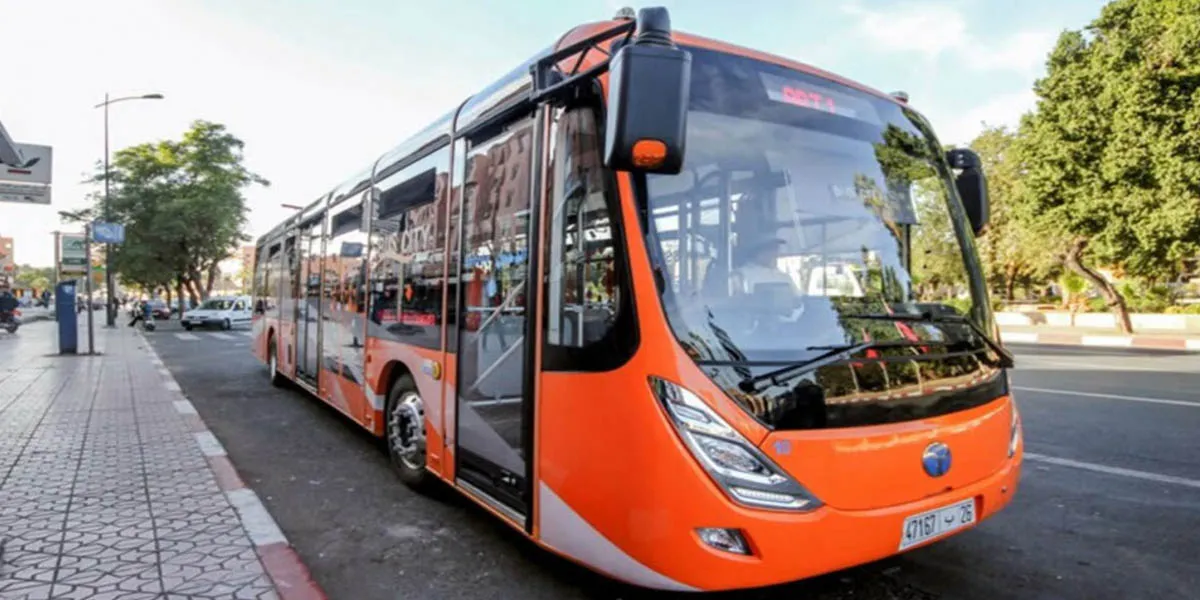
The transition from the Spanish operator Alsa to the Moroccan management company for urban and suburban transport in Marrakech, which occurred in December 2025, has raised significant concerns regarding the efficacy of public transportation in Morocco’s leading tourist destination. This change, which marked the end of Alsa's twenty-six-year presence in the city, has been characterized by a lack of a comprehensive network map, unserved or removed lines, and an overall stagnation in service improvement despite substantial investments in rolling stock. The new management structure, owned 60% by Supratours and 40% by ONCF, was expected to enhance governance and operational efficiency, promising 67 lines covering 1,342 kilometers with a fleet of 349 buses and an impressive target of over 37 million passenger kilometers per year. However, reality paints a different picture, as the service fails to meet the basic mobility needs of the city's residents, particularly those from lower-income backgrounds.
Upon examination of the current state of the transport system, it becomes apparent that the modifications made have not addressed the shortcomings of the previous service adequately. Entire neighborhoods remain disconnected from the network, while others struggle with poor connections to significant employment areas. For instance, the Massira and Doha neighborhoods lack direct routes to the industrial zone, which is home to a substantial segment of the local workforce. Without adequate bus services, many workers are forced to rely on taxis, which often exceed their financial capacities. As highlighted by local activist and artist Moulay Abdellah Alaoui, the current system neglects the mobility needs of disadvantaged communities. Additionally, the removal of night bus services, previously operated by Alsa, has further limited public transport options, leading to growing calls on social media for the reinstatement of these routes.
Systematic Failures and Public Discontent
The restructuring effort has also faced criticism for its lack of effective communication and public engagement. Many of the bus stops still display Alsa’s branding, two years after the operator's exit, complicating the passenger experience. Commuters often find themselves waiting on sidewalks overtaken by car guards, which forces buses to stop in traffic, endangering passengers as they disembark. Furthermore, the neglect of critical infrastructure, such as bus stops located next to garbage dumps, has not gone unnoticed, painting a grim picture of urban management. Accessibility remains a significant issue, as inadequate provisions for individuals with reduced mobility mean that boarding buses is often a daunting task without assistance. The promised fleet renewal has not reached the outskirts of the city, where older buses continue to operate, raising questions about the commitment to service improvement.
The transportation chaos extends beyond the bus system, impacting the overall circulation policies within Marrakech. Issues such as heavy trucks traversing major roads unrestricted, motorcycles riding on sidewalks, and a lack of organized parking have contributed to a deteriorating urban landscape. These cumulative problems are tarnishing the image of Marrakech as a premier tourist destination, calling for immediate attention from both the authorities and the community.
As reported by leseco.ma.