
Strategic Investment for Watershed Management
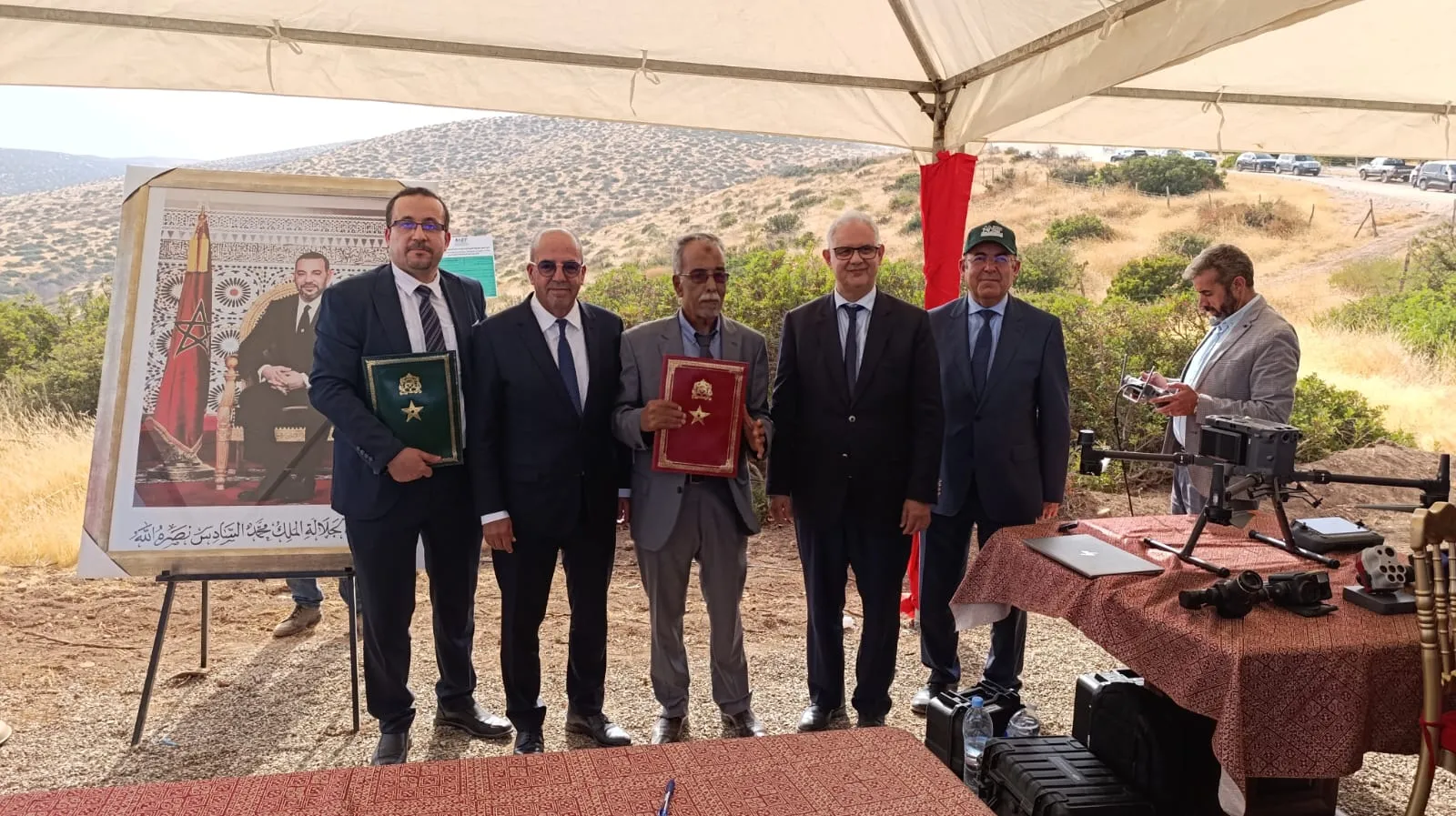
A substantial investment totaling 386 million dirhams is set to be mobilized between 2026 and 2030 in the Rabat-Salé-Kénitra region, aiming to enhance the management of watersheds. This initiative is particularly focused on combating soil erosion, mitigating the sedimentation of dams, restoring forest ecosystems, and contributing to the preservation of water resources. The program is aligned with the Regional Forestry Plan and was unveiled during a site visit by Nizar Baraka, the Minister of Equipment and Water, alongside Ahmed El Bouari, the Minister of Agriculture, Maritime Fisheries, Rural Development, and Water and Forests, and Abderrahim Houmy, the Director General of the National Agency for Water and Forests (ANEF).
Addressing the Sedimentation of Dams
One of the main challenges highlighted is the sedimentation of dam reservoirs. The gradual accumulation of sediments significantly reduces their storage capacity, which could eventually compromise their role in supplying water. The Ministry of Equipment and Water has provided an overview of this phenomenon at the national level, detailing the various hydraulic basins affected. Officials emphasized the urgent need to intervene upstream of the dams to reduce erosion and sediment transport. Watershed management, therefore, serves as a preventive tool aimed at extending the lifespan of hydraulic infrastructures and maintaining their storage capacity amidst increasing pressure on water resources.
Currently, ANEF's programs cover 33 watersheds encompassing nearly 8 million hectares, with 15 of these watersheds classified as strategic, feeding 43 priority dams. Over 1.14 million hectares have already benefited from management operations, which have included the creation of more than 3 million cubic meters of water and soil conservation structures intended to curb erosion and decrease sediment levels reaching the reservoirs.
In the Rabat-Salé-Kénitra region, the 386 million dirhams allocated over five years will support a multifaceted approach that combines various types of interventions. The program includes reforestation efforts, restoration of forest ecosystems, water and soil conservation work, anti-erosion measures, and the production of forest seedlings, also highlighting the involvement of local communities.
The officials visited the Oued Beht watershed, where several management operations were showcased. The interventions consist of two complementary components: a biological aspect focused on reforestation, vegetation cover restoration, and forest ecosystem regeneration, and a mechanical aspect involving the construction of torrent correction structures and water and soil conservation facilities. These infrastructures are designed to slow down runoff, stabilize slopes, and limit the transport of sediments toward the dams.
Beyond forest protection, authorities aim to integrate watershed management as a fundamental element of the Kingdom's water security policy. By restoring vegetation cover and limiting erosion, the program addresses one of the root causes of the gradual loss of dam capacity. This approach is also expected to enhance the resilience of territories against the impacts of climate change. The collaboration between the departments of Water, Agriculture, and ANEF aligns with the strategic guidelines of the "Forests of Morocco 2020-2030" initiative. Through the 2026-2030 program for Rabat-Salé-Kénitra, the three institutions aim to accelerate interventions in the watersheds with a dual goal: to protect hydraulic infrastructures and sustainably preserve water resources, while also restoring the forest ecosystems of the affected territories.
As reported by fr.hespress.com.