
Enhancing Pediatric Cancer Care Through Education
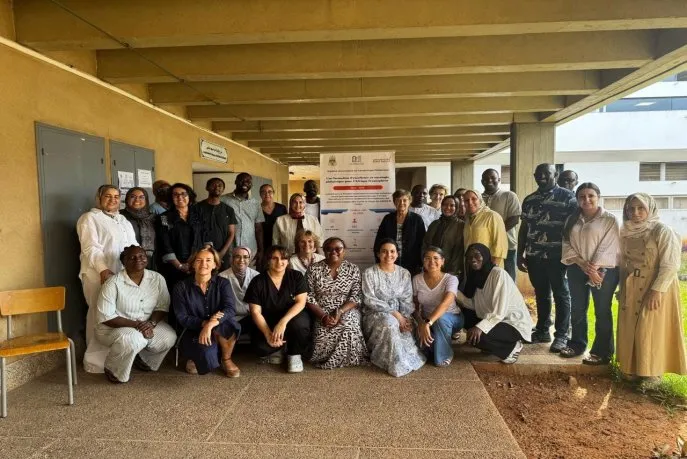
From September 1 to 5, 2026, Morocco hosted a pivotal training session aimed at combating childhood cancers, specifically designed for African physicians. This initiative underscores a growing need for not only more healthcare professionals but also better-trained individuals who can adapt their skills to the socio-cultural contexts of the continent. Pediatric oncology training is increasingly essential, transcending national borders and addressing the significant disparities in access to specialized care across Africa.
At the heart of this effort is the University Diploma in Pediatric Oncology (DUCP), established in Rabat by Mohammed V University in collaboration with Paris-Saclay University. The program is supported by the Franco-African Pediatric Oncology Group (GFAOP), the Sanofi Foundation, the Moroccan Society of Pediatric Hematology and Oncology, and the L’Avenir Association. This initiative goes beyond the mere provision of medical training; it aims to create a sustainable response to the pressing needs in the region.
A Growing Network of African Professionals
The African dimension of the DUCP has already made a tangible impact, with 130 professionals from 22 different African countries benefitting from this training. This dynamic positions Rabat as a key player in the development of pediatric oncology expertise across the continent. Under the guidance of Professor Laila Hessissen, a pediatric oncology expert at the Rabat Faculty of Medicine and Pharmacy, the program offers a comprehensive mix of theoretical knowledge, practical updates, and evaluations.
Recent sessions held from September 1 to 5 focused on critical pediatric cancers, including lymphomas, acute leukemias, nephroblastoma, hepatoblastoma, neuroblastoma, bone tumors, and malignant germ cell tumors. However, the ambition behind this medical training is much broader: it is about sustainably enhancing Africa's capacity to diagnose, refer, and treat children with cancer effectively.
The fundamental philosophy of the DUCP is based on a simple yet profound observation by Professor Hessissen: in resource-limited countries, the lack of adequately trained professionals remains a significant barrier to quality care. Therefore, training doctors to recognize cancer early, correctly refer children, apply the appropriate protocols, and work within multidisciplinary teams represents a long-term investment in healthcare.
This approach marks a significant evolution in medical cooperation. It is no longer merely about sending experts, equipment, or medications on an ad-hoc basis; it is about transferring skills and building local capacities. This focus on competence development is what gives the DUCP its unique African relevance.
The involvement of GFAOP, which has considerable experience in developing skills and care networks in pediatric oncology across Africa, further enhances the program's regional cooperation framework. The educational model incorporates international perspectives, integrating Moroccan, French, and African expertise, allowing for a meaningful confrontation between international scientific recommendations and the realities of various healthcare systems. While medical knowledge is universal, its application must account for local realities, such as the availability of specialists, access to diagnostic tests, medications, equipment, hospital resources, and healthcare organization.
However, Professor Hessissen emphasizes a crucial truth: education alone is insufficient. To translate knowledge into effective care, there must be infrastructure, equipment, accessible medications, multidisciplinary teams, and organized care networks. The DUCP addresses a vital link in this chain: human competencies. Yet, this link must connect to all others to ensure that children receive quality care.
The partnership with the Sanofi Foundation and other stakeholders engaged in this initiative takes on new significance. Support for vulnerable populations can evolve beyond mere financial contributions to encompass skill enhancement, team structuring, and the establishment of sustainable capacities. The Sanofi Foundation's commitment in Africa was notably showcased in Rabat in 2023 with a pan-African conference dedicated to childhood cancers, organized in collaboration with GFAOP.
This dynamic aligns with the global objective of significantly improving survival rates for children with cancer by 2030. This vision is championed by Dr. Isabelle Villadary from the Sanofi Foundation, a trained physician and public health specialist dedicated to improving care for young patients facing severe illnesses, particularly childhood cancers in Africa.
The question now arises: can Morocco evolve beyond being a mere medical cooperation partner and position itself as a true African training hub? With its medical faculties, university hospitals, specialists, and increasing experience in health cooperation with African countries, Morocco possesses several advantages.
The DUCP represents a particularly interesting case study. Its mission is not just to train doctors in Morocco but to enable these professionals to return to their home countries equipped with skills that will strengthen their healthcare systems. The impact of this training is already evident. Between 2014 and 2025, new pediatric oncology units have been established in Morocco and several African countries by graduates of the DUCP from the Rabat Faculty of Medicine and Pharmacy. This fact lends a concrete dimension to the diploma.
True value is derived from the knowledge gained in the classroom being applied within hospitals, teams, and ultimately benefiting the children in need.
The future of the DUCP will not merely be measured by the number of trained professionals but by its ability to create a sustainable African network in pediatric oncology. Experience sharing, scientific cooperation, and support among teams must extend beyond training. The ultimate goal is to cultivate expertise that is well-suited to African realities. In the long run, each enhanced skill has the potential to improve diagnostics, expedite treatment, and increase survival chances for children battling cancer.
As reported by quid.ma.