Mauritania's Strategic Request for Clarity on Western Sahara Borders
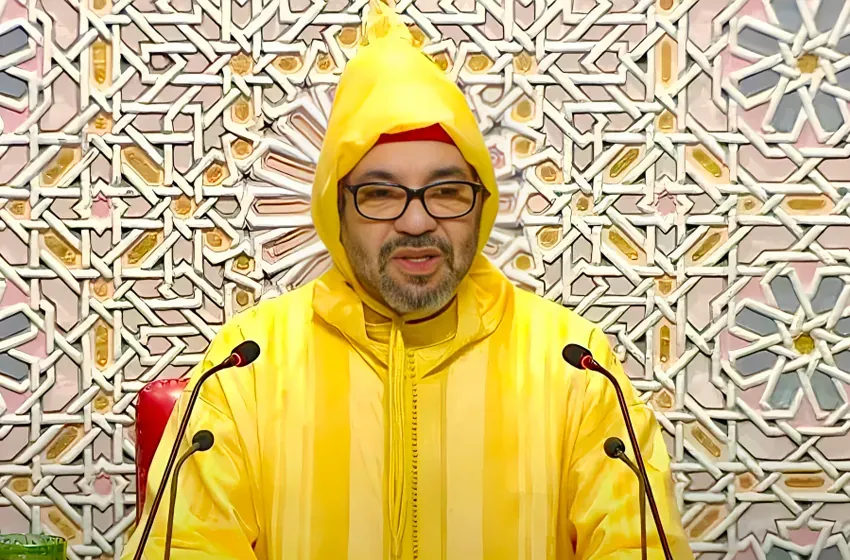
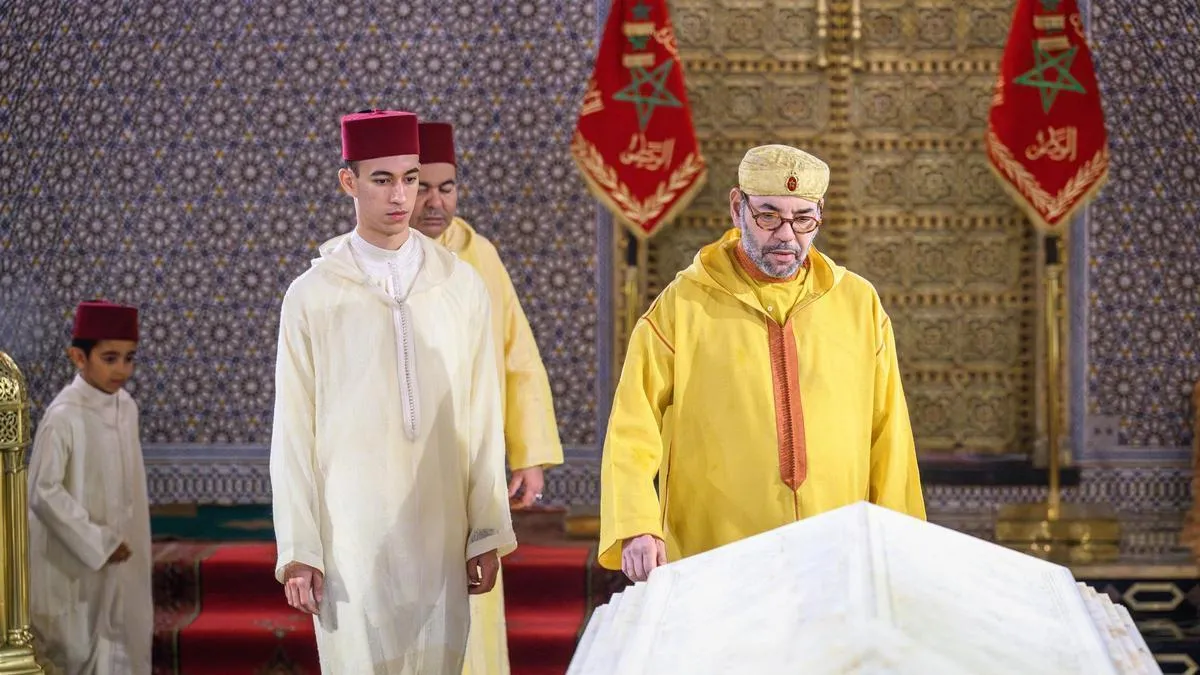
On October 31, 2025, following the adoption of Security Council Resolution 2797, King Mohammed VI of Morocco proclaimed a vision of a united Morocco stretching from Tangier to Lagouira, emphasizing that the historical boundaries of this territory must not be violated. This declaration, particularly the mention of Lagouira in conjunction with "historical borders," did not go unnoticed in Nouakchott, the capital of Mauritania. The expansionist undertones of this statement have raised significant concerns within Mauritania, prompting the government to take action.
In the context of ongoing discussions about the status of Western Sahara, Mauritania has called for the establishment of a commission aimed at consensually clarifying the final and permanent international borders of the disputed territory. This request signals a proactive approach by Nouakchott, seeking to address potential territorial claims and secure its interests before any political resolution could create new dynamics on the ground.
Mauritania’s urgency stems from a perceived shift in the political process regarding Western Sahara, which they believe is moving towards a concrete phase that could redefine territorial configurations. However, this perception is based on the flawed assumption that a resolution could emerge centered around the autonomy proposal from Rabat, which the Polisario Front firmly rejects in favor of self-determination for the region. Thus, Mauritania is keen to address border issues preemptively, ensuring that once a political settlement is reached, it does not inadvertently lead to territorial or security ramifications that they could not negotiate beforehand.
Geopolitical Significance of Lagouira and Nouadhibou
Lagouira's geographical position further heightens the sensitivity of the situation. Located on the western side of the Ras Nouadhibou peninsula, approximately 13 kilometers from the strategic port of Nouadhibou, this area is essential for Mauritania's maritime and economic interests. The peninsula is effectively divided between Mauritania and Western Sahara, making any significant developments at Lagouira—particularly in the realms of port operations, tourism, or logistics—likely to impact the surrounding strategic environment.
Moreover, the involvement of Emirati partners in Moroccan projects at Lagouira adds another layer of complexity to this already intricate scenario. Reports from February 2026 indicate that these initiatives encompass various sectors, including tourism and urban development, which could transform the regional economic landscape. However, it is crucial to differentiate between announced projects and those that have been concretely initiated on the ground, as most documented Moroccan endeavors remain concentrated further north, particularly near Dakhla and Guerguerat.
For Nouakchott, King Mohammed VI's declaration of a Morocco from "Tanger to Lagouira," the implications of historical borders, and the perceived progression of political processes all serve as signals for heightened vigilance. The Mauritanian request for a commission is thus a strategic move to ensure that border discussions occur within a consensual framework before the political process culminates in territorial realities that may be challenging to contest later.
Staying true to its policy of equidistance and positive neutrality, Mauritania currently maintains amicable relations with both Morocco and Algeria. It continues to recognize the Sahrawi Arab Democratic Republic (SADR) while engaging actively with the Polisario Front, albeit with a reduced institutional visibility to avoid antagonizing Morocco.
As reported by tsa-algerie.com.