
The Challenges of Migration and Bilateral Relations with Spain
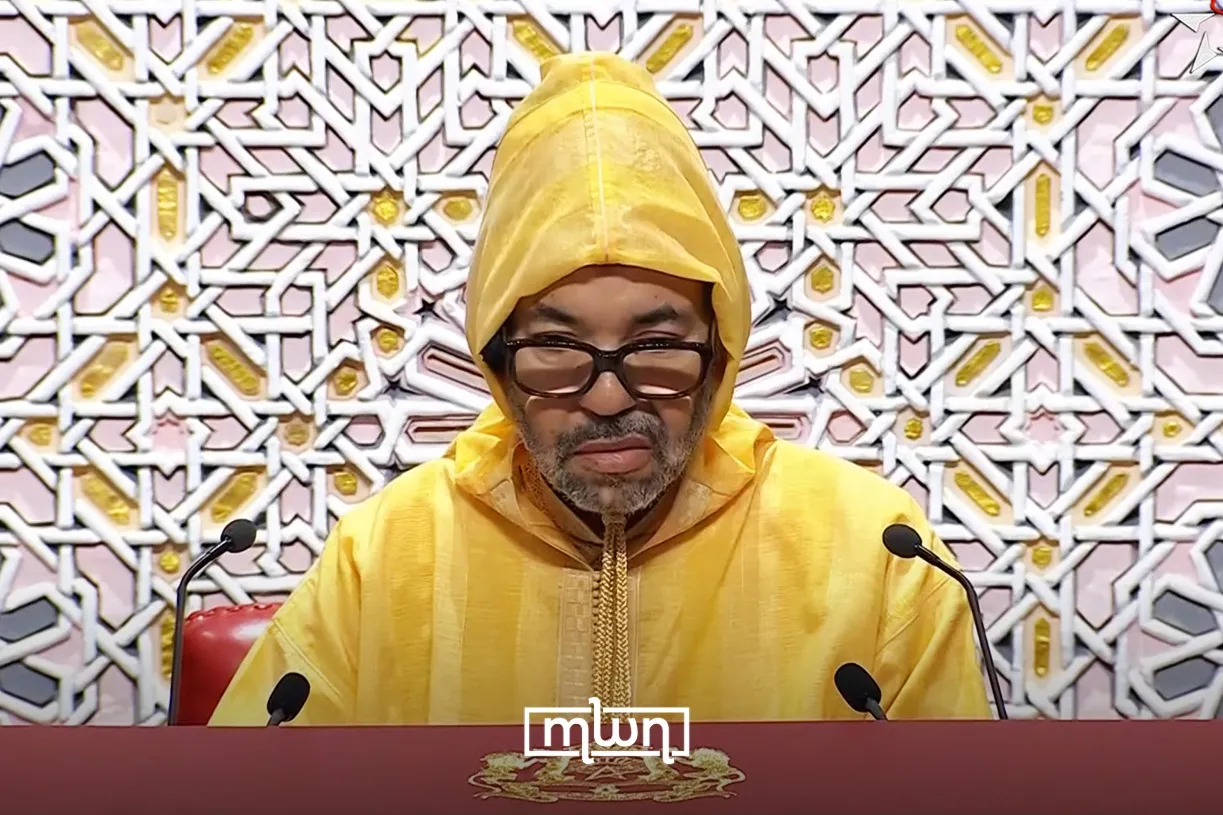
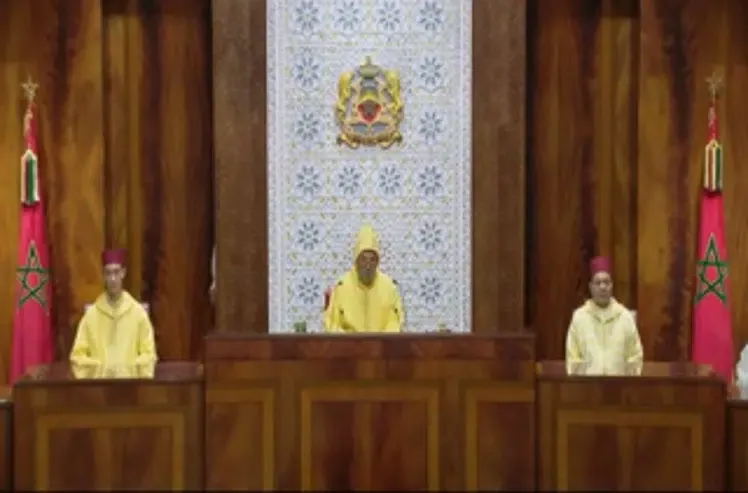
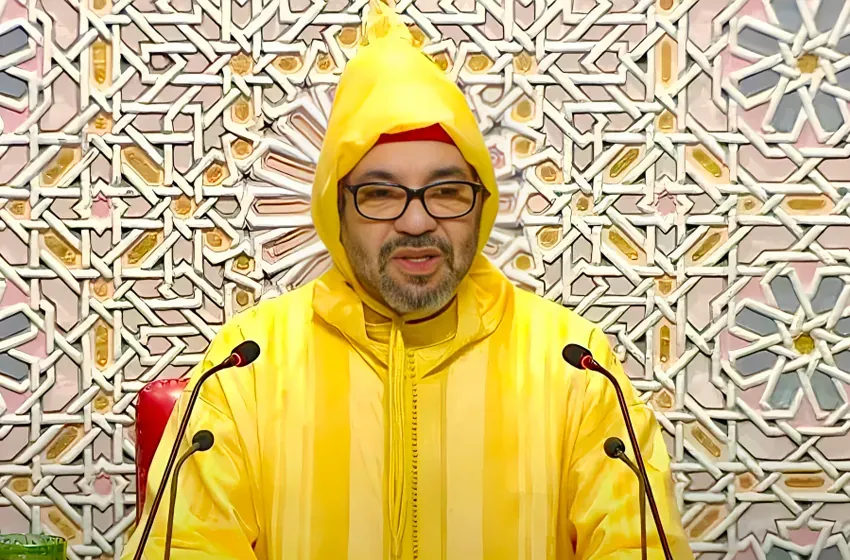
In a solemn address marking the opening of a new legislative session, King Mohammed VI of Morocco appeared visibly weakened, using a cane to assist him while dressed in a ceremonial yellow robe. Accompanied by his son, Moulay Hassan, and his brother, Prince Moulay Rachid, the monarch addressed members of both chambers of the Moroccan Parliament—the House of Representatives and the House of Councillors. His voice faltering, he directed significant attention towards Spain, stating, "With our neighbor, Spain, our partnership has made notable advancements in various fields, including the fight against irregular immigration. However, this cooperation now faces serious challenges due to outdated legal provisions and judicial decisions that diverge from reality. Unfortunately, this situation complicates the repatriation of minors and those who falsely seek refugee status, thereby fueling the activities of criminal networks. In light of irresponsible statements from certain political and media circles, and their blatant exploitation of the situation, we affirm that this partnership is a sovereign choice and a voluntary commitment, one that cannot be subjected to pressures, threats, or blackmail." This marked the first time the Moroccan king publicly addressed the migration crisis at the Ceuta border, a statement of increased importance ahead of the historic visit by Spanish King Felipe and Queen Letizia to Ceuta and Melilla.
A Reflection on Moroccan Identity and Governance
King Mohammed VI also expressed a patriotic homage to Moroccan identity, stating his pride in the nation's authentic religious identity under the Emirate of the Faithful and its distinguished cultural identity. He highlighted the significant political and diplomatic achievements, as well as advancements in development, economy, and society that have transformed Morocco. Additionally, he urged both public authorities and private sectors to be more proactive in creating job opportunities. The Moroccan populace eagerly anticipates these rare occasions when their king delivers speeches, as these moments allow them to gauge the monarch's strength amidst ongoing concerns regarding his health. With rumors of his deteriorating condition circulating, public appearances have become increasingly scrutinized. His recent appearance at a memorial for his father, the late King Hassan II, raised further alarm due to his frail demeanor and increased mobility difficulties.
Speculation regarding the monarch’s health has persisted for nearly a decade, with reports suggesting he suffers from sarcoidosis, a chronic autoimmune disease that can affect multiple organs, particularly the lungs. While this claim has never been officially confirmed by Rabat, the consistent reports of his declining health and recurring infections have raised serious concerns among citizens. As the king's public presence diminishes, the responsibility for governance appears to be gradually shifting, albeit not formally, to the next generation, exemplified by his son Moulay Hassan, who is increasingly active in institutional affairs. The Moroccan monarchy operates under a facade of constitutional democracy, yet the real power remains heavily concentrated in the hands of the king and the Majzen, an elite group of officials and oligarchs. This concentration of power continues to create internal conflicts and challenges within the country’s governance, especially during periods of transition.
Many analysts attribute the recent surge in migration attempts at Ceuta to these institutional tensions, suggesting that the Moroccan regime may have inadvertently lost control of the situation amid political maneuvering. The unfolding political landscape in Morocco is unprecedented, especially with the recent appointment of Fatima Zahra El Mansouri as the first female head of government, a significant milestone not only for Morocco but also in the Arab world. Despite leading the centrist Authenticity and Modernity Party, which won a plurality of seats in the recent elections, El Mansouri faces challenges in establishing a stable majority in a parliament marked by a notable voter apathy, with turnout at a mere 38%. The PAM's 97 seats fall short of an absolute majority in the 395-seat lower house, necessitating alliances with other parties, including the resurgent Justice and Development Party (PJD), which poses additional challenges for governance.
As Morocco navigates these complex political dynamics, it also faces increasing pressures from its citizens, particularly the youth, who are grappling with high unemployment rates and a lack of future prospects. The rising tide of nationalism, particularly concerning historical claims over Ceuta and Melilla, reflects the growing frustration and fragmentation within Moroccan society. The king's legislative address signals the beginning of a politically charged era in Morocco, as the regime seeks to balance national unity with internal dissent. Furthermore, Morocco's ongoing relations with Israel have deepened, evidenced by Israel's inaugural participation in the Marrakech Air Show, alongside a burgeoning defense partnership that includes the sale of long-range missiles, marking a significant shift in regional dynamics amid heightened tensions with Algeria.
As reported by elmundo.es.