
The Development of Mediouna's Waste Management Center
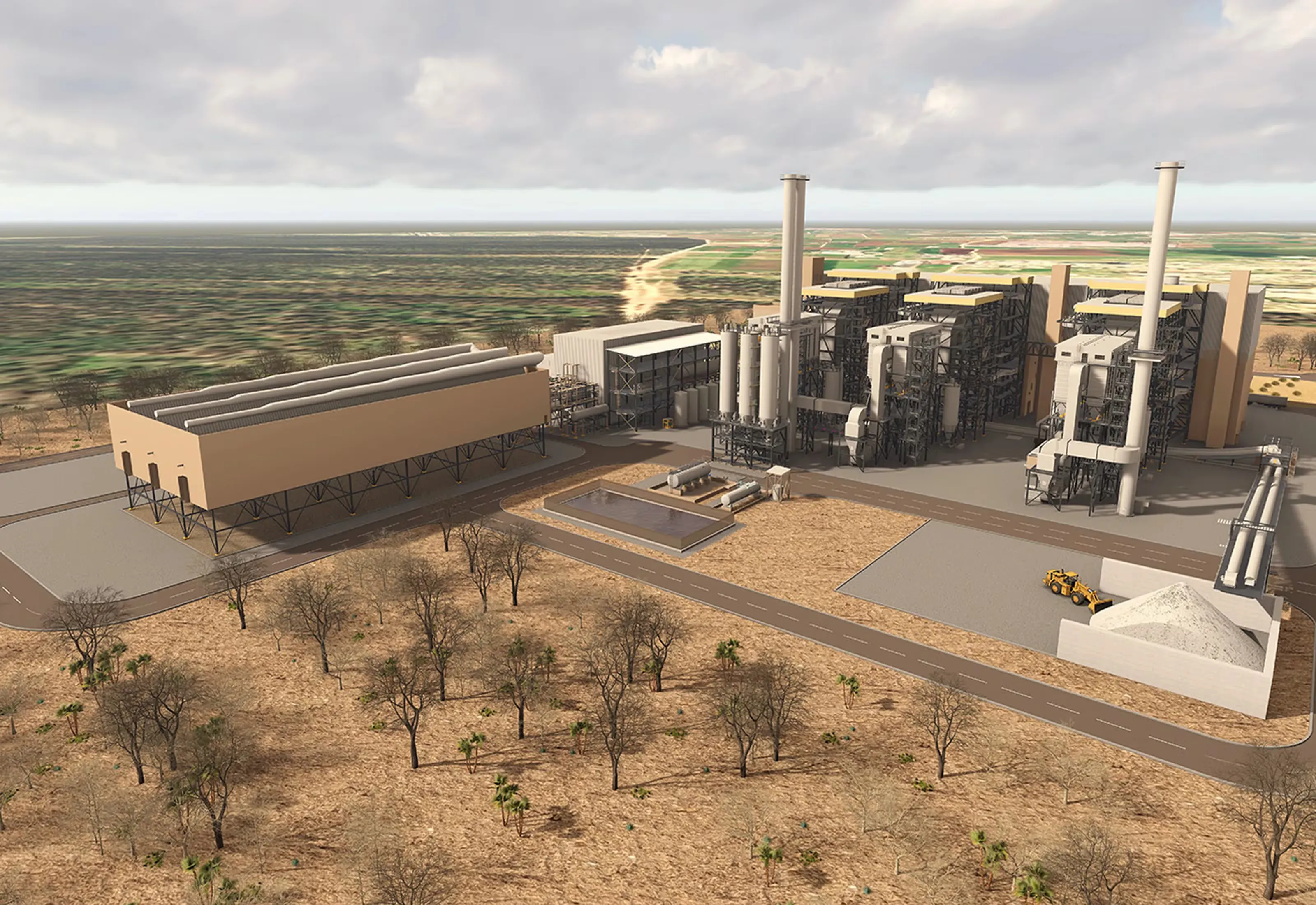
The future Center for Landfilling and Valorization (CEV) in Mediouna is steadily progressing towards its realization. Following the signing of concession contracts on August 3rd with the Casablanca Commune, the municipal council approved a mandate agreement on August 17th. This agreement designates the local development company "Casablanca Baïa" to oversee the management contract associated with this crucial environmental project, which demands a monumental investment of approximately 15 billion dirhams.
Concession Details and Financial Mechanisms
The CEV contract has been awarded to a consortium that includes the Moroccan group Nareva, Japan's Itochu, and the Swiss-Japanese group Kanadevia Inova, with the latter acting as the consortium leader. This concession will span 33.5 years, including the construction phase. The operation of the upcoming site will be managed by Al Beida Clean Power, while Itochu will contribute to the capital through its British subsidiary, I-Environment Investments Ltd.
Additionally, two electricity purchase agreements have been established with the National Office of Electricity and Drinking Water (ONEE) and the Regional Multi-Service Company Casablanca-Settat (SRM), ensuring secure outlets for the future complex's electricity production. The project aims to process approximately 1.5 million tons of municipal solid waste annually generated in the metropolis, converting it into energy to produce around 115 MW of electricity. The system will also be complemented by a 4 MW biogas plant utilizing methane from landfills and a 50 MW solar plant, collectively providing enough electricity for about one million residents.
As part of this framework, the approved mandate agreement will enable "Casablanca Baïa" to act on behalf of the municipality, ensuring diligent oversight of the delegated management contract. Their responsibilities will include technical supervision of the CEV construction, as well as ongoing monitoring and control throughout the contract's duration.
The agreement outlines a specific financing mechanism for the oversight and monitoring tasks. Funding for this unit will primarily come from the delegate, representing 0.5% of the tax-exempt investment amount allocated for the center's construction phase, and subsequently 1% of the annual tax-exempt revenue from the center's operations and waste disposal fees. These funds will be deposited into a dedicated bank account established by "Casablanca Baïa" with the General Treasury of the Kingdom.
Furthermore, the agreement stipulates that the municipality will transfer subsidies to "Casablanca Baïa" corresponding to the contractual investment program, projected to reach 1.456 billion dirhams over the first four years. The payment schedule anticipates 208 million dirhams in the first year, followed by 416 million dirhams annually for the subsequent three years. The municipality will also need to transfer waste disposal fees according to a pre-established advance payment schedule outlined in the agreement.
In essence, the forthcoming CEV aims to transition Casablanca away from its current reliance on landfilling. The project not only focuses on energy recovery from waste but also addresses the environmental liabilities of Mediouna through the operation, closure, and rehabilitation of existing landfills while establishing new controlled dumping sites. Construction is expected to commence by the end of the year, pending financial arrangements, with an estimated construction duration of about three and a half years. Full operational service is anticipated by mid-2030.
As reported by fr.le360.ma.