
Morocco's Dependency on Hydrocarbon Imports
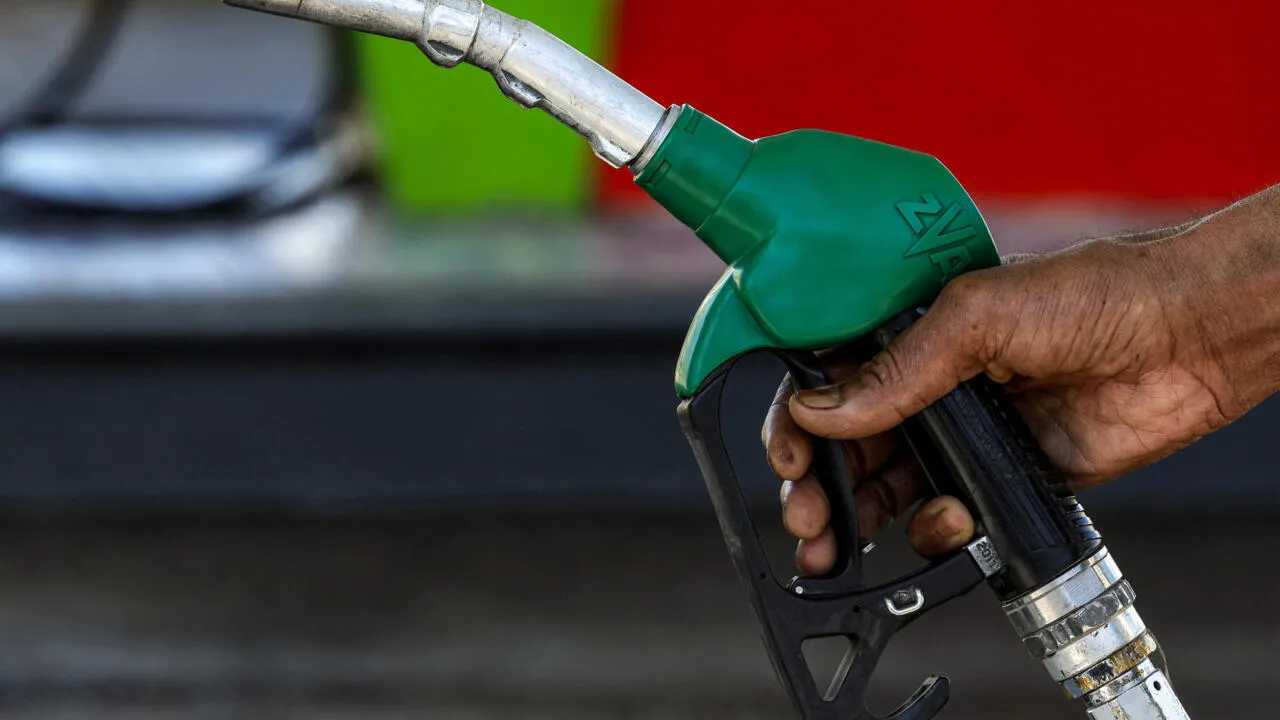
Morocco finds itself in a precarious situation as it imports a staggering 88% of its hydrocarbon needs, encompassing both oil and gas, leading to an annual expenditure ranging from $10 billion to $13 billion. In recent times, the country has been impacted by a significant spike in fuel prices, which have surged between 25% to 35%. This alarming trend has raised concerns in Rabat about the potential for a new inflationary wave that could severely affect the financial well-being of households across the nation.
On April 1, 2026, fuel prices rose for the second time in just two weeks, with diesel prices skyrocketing by nearly 35% and gasoline by 25%. This situation poses a daunting challenge for individuals like Yehia, a 68-year-old taxi driver who relies on fuel daily. He expressed his fears, stating, "Every day 15 liters costs around 15 dirhams. If prices continue to rise, people will abandon their cars and resort to public transport because they simply cannot afford the costs." However, there is a silver lining as the government has promised direct assistance to taxi drivers in the upcoming weeks.
Implications of Inflation
The ongoing geopolitical tensions in the Middle East are contributing to this crisis, and if the situation persists, Morocco could face a significant inflationary surge. According to economist Mohammed Jadri, the nation is on the brink of experiencing another inflation surge, especially after recording inflation rates of 6.6% in 2022 and 6.1% in 2023. The consequences of rising oil prices are felt directly by consumers, increasing production costs, freight expenses, and overall logistics, ultimately leading to higher prices for everyday goods.
Interestingly, Jadri notes that while the current energy crisis poses immediate challenges, it could also offer Morocco some long-term advantages. European countries that import oil may turn to Moroccan ports in Tanger or Nador for their strategic reserves. In the meantime, Leïla Benali, the Minister of Energy, has attempted to alleviate concerns by announcing that the country has established reserves of 47 days for diesel and 52 days for gasoline. Nonetheless, these stockpiles are deemed insufficient to stabilize prices effectively.
As reported by rfi.fr.