The Effects of Military Tensions on the Casablanca Stock Exchange
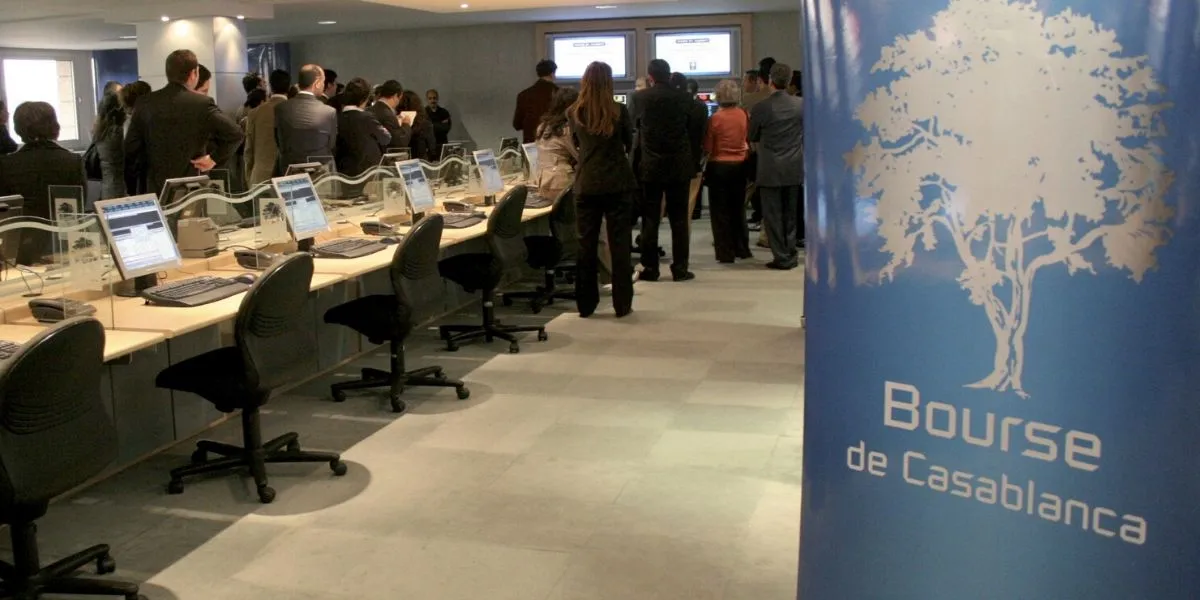
The recent military escalation in the Middle East has sent shockwaves through global markets, causing a significant downturn at the Casablanca Stock Exchange. On March 9, the MASI index dropped by 3.3%, closing at approximately 16,555 points, resulting in an annual performance decline of 12.27%. This reaction has been deemed excessive by analysts, who urge investors to maintain a level-headed approach amid the chaos. One portfolio manager emphasized that such a retreat does not qualify as a bear market, nor does it predict one for the year ahead. The market was already under pressure due to a lack of positive catalysts, and the conflict has only accelerated a downward trend that began prior to military hostilities.
In the oil markets, the situation has been particularly tumultuous. The price of Brent crude briefly surpassed $119 during Asian trading on Sunday night, marking the highest level since the onset of the Ukraine invasion in 2022. However, it quickly fell below $100 as traders began to factor in the possibility of a coordinated release of strategic reserves by G7 countries, in consultation with the International Energy Agency (IEA). This sharp fluctuation illustrates a geopolitical risk premium rather than a fundamental imbalance between supply and demand. The Vix index, a measure of volatility on Wall Street, also surged, indicating that investors are primarily seeking to hedge against escalation risks without anticipating a long-term oil shock.
Implications for Morocco's Economy
The recent correction in oil prices remains precarious. The strategic reserves mentioned—estimated at 300 to 400 million barrels by various U.S. officials—would only cover three to four days of global consumption. This limited safety net could pose challenges if the crisis becomes prolonged. Morocco, which imports nearly 90% of its energy needs, is particularly vulnerable to fluctuations in oil prices. Each additional dollar per barrel has a direct impact on the trade balance, further exacerbating the current account deficit. In 2022, the energy bill surged by nearly 70% during the previous oil shock following the invasion of Ukraine, contributing significantly to a widening trade deficit of 305 billion dirhams, as reported by the Office des Changes.
Despite the market panic, analysts assert that the recent downturn does not reflect a fundamental imbalance in the energy market. A true oil shock would require persistent constraints on global supply, which current market conditions do not suggest. Global production is currently operating at surplus, and medium-term demand remains stable. The likelihood of a prolonged blockade in the Strait of Hormuz—through which nearly one-fifth of global hydrocarbons flow—is deemed low by independent modeling. Once the conflict subsides, analysts anticipate a gradual return to a baseline price range of $65 to $70 per barrel.
On the stock market, the sectors experiencing the most significant corrections are not necessarily those most sensitive to oil prices. Fuel distributors, for instance, typically pass on price increases to their consumers. Operational risks are heightened for companies like CTM, where fuel costs constitute a substantial portion of operational expenses for their fleet. In contrast, Morocco's robust export sectors, such as phosphates and aerospace components, are integrated into long-term European supply chains that are less susceptible to fluctuations in Gulf dynamics. Moreover, the anticipated solid annual results due by the end of March, showing an aggregated revenue increase of 8.5% to 10% excluding energy stocks, suggest a positive outlook for the market as a whole.
As reported by leseco.ma.