Ceuta's Ongoing Migration Crisis: A Stretched Situation
As of early September 2026, the coastal city of Ceuta continues to grapple with an alarming humanitarian crisis, with around 5,000 migrants still residing in makeshift shelters along its beaches. This situation has emerged as a consequence of a mass influx of approximately 72,000 individuals from Morocco in late July, many of whom are young men seeking refuge and a better life. Despite the passage of more than a month since their arrival, these migrants are still living in dire conditions, with plastic tarps and fabric scraps serving as their only protection against the elements. The local residents report heightened fears regarding their safety and a surge in criminal activity, which has exacerbated tensions within the community.
The atmosphere in Ceuta has drastically changed from a vibrant tourist destination to a scene of desperation and uncertainty. Reports indicate that since the end of July, there have been 21 reported cases of sexual assaults, including nine involving minors. Local law enforcement has noted a rise in thefts and violent confrontations, while instances of violence against the migrants themselves have also been reported. Residents' fears are palpable; one shopkeeper recounted a harrowing experience when a crowd approached her store, prompting her to barricade the entrance for safety. The psychological toll of this crisis is evident as local businesses struggle to operate amidst the chaos.
Government Response and Future Prospects
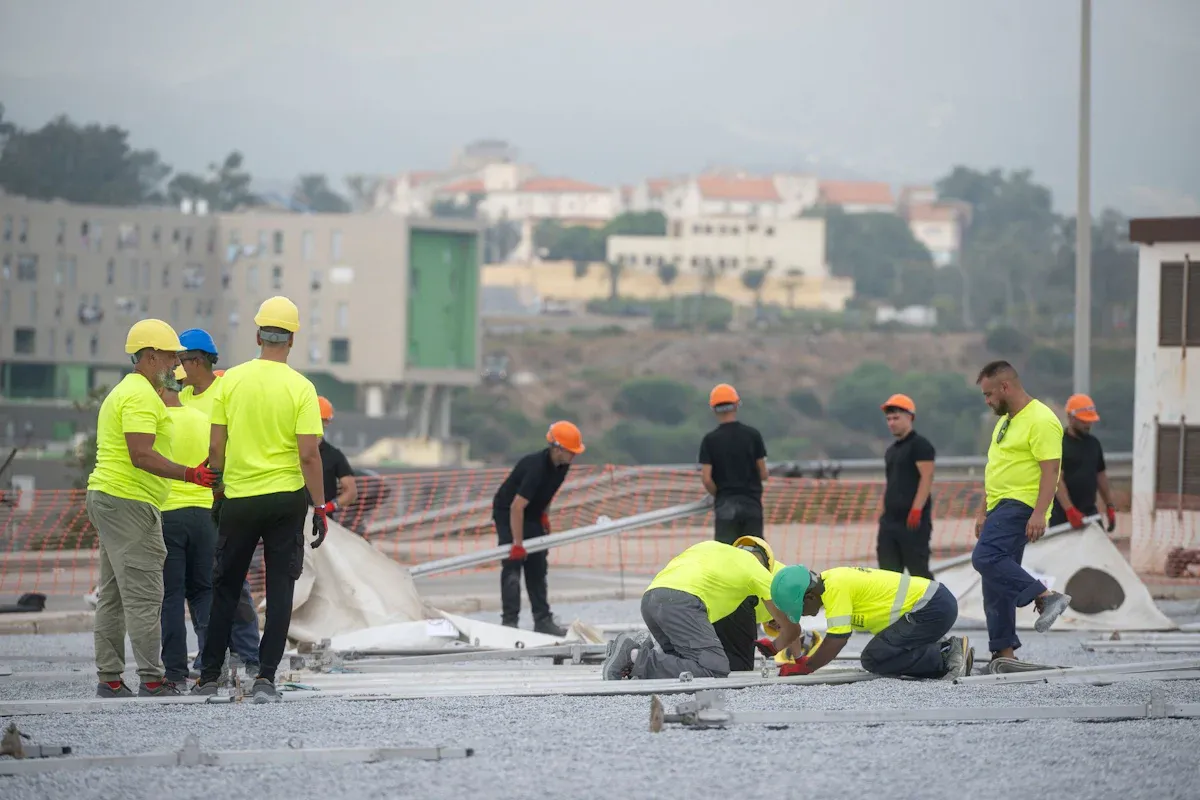
In response to the escalating crisis, the Spanish central government has stepped in to take control of the port area, planning to establish a temporary tent camp despite opposition from local authorities. These officials cite the port's critical role in supplying Ceuta and its nearby fuel depot as reasons against the camp's location. Meanwhile, a new facility capable of accommodating up to 900 people is being constructed in the Los Rosales district. The government must assess the cases of the remaining migrants individually, a process that could stretch over several months, while protests against their living conditions continue to erupt in Ceuta.
Across the English Channel, the UK is also witnessing unrest related to migration issues. Recently, masked demonstrators in Dover obstructed access to the nation’s largest ferry port, temporarily halting ferry services while voicing their opposition to irregular migration. While the blockade was resolved without arrests, it highlights the widespread concerns surrounding migration across Europe.
As reported by 20min.ch.