
The Cultural Significance of Mimouna
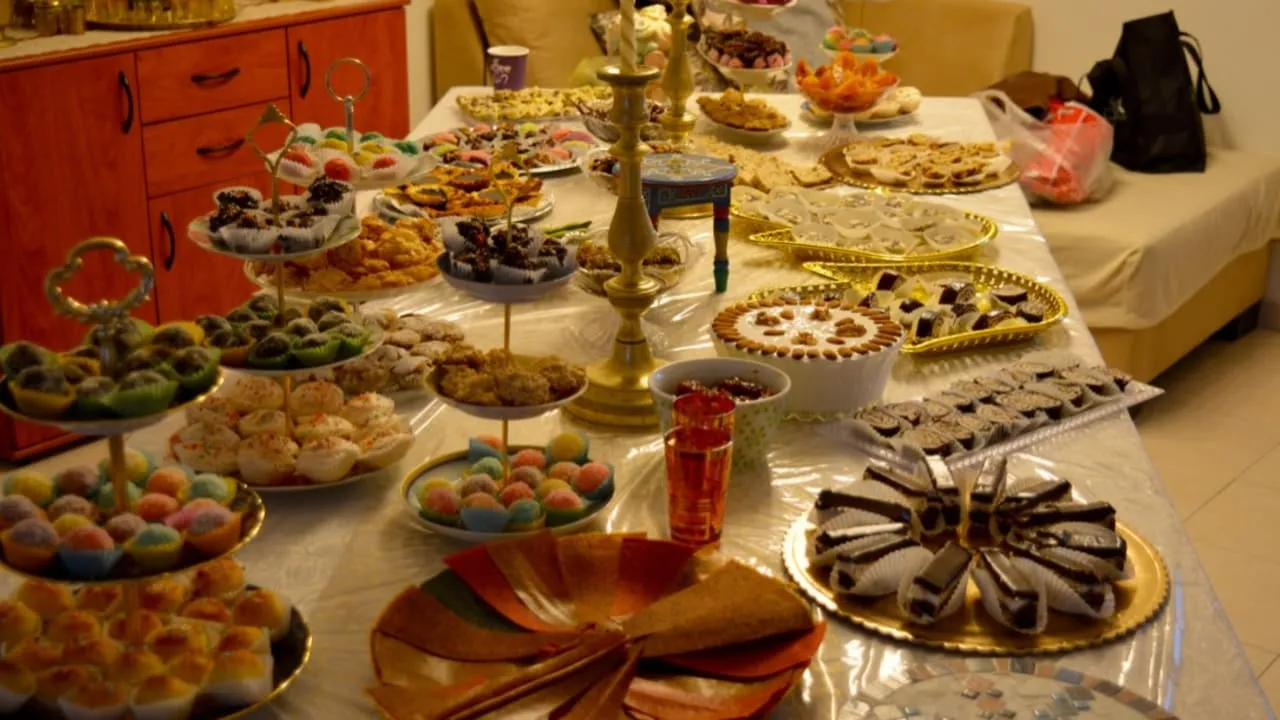
At the conclusion of Passover, Jewish communities, particularly those of North African descent, engage in the vibrant celebration of Mimouna. This festive event, deeply rooted in Moroccan Jewish culture, signifies a joyous night characterized by open homes, communal feasting, lively music, and shared happiness. Tables are adorned with moufletas, delightful pancakes drizzled in honey, while families don traditional attire such as caftans and gandouras, creating an atmosphere rich in cultural heritage. Mimouna, which has expanded across Sephardi communities throughout the 20th century, is not merely a celebration; it encapsulates a profound narrative of coexistence and presents a model for fostering dialogue in contemporary society.
A Historical Journey of Coexistence
To truly appreciate Mimouna, one must delve into the historical context of Jews in Morocco. Originating from ancient Israel, Jews have faced significant dispersals throughout history, particularly following the destruction of Jerusalem in 587 BCE. In North Africa, Jewish communities have existed long before the advent of Islam, with evidence of their presence in Morocco tracing back to the 4th century BCE. For centuries, Jews coexisted alongside the Amazigh people, contributing to a diverse social fabric that adapted through various religious and political changes. This intricate relationship further deepened after the Alhambra Decree of 1492, which expelled Jews from Spain, prompting a massive influx of Sephardi Jews into Morocco, particularly in Fez. Despite initial tensions between the indigenous Jews (toshavim) and the exiled Jews (megorashim), the latter significantly influenced Moroccan Jewish life, weaving their narratives into the broader tapestry of Moroccan history.
Mimouna, celebrated immediately after Passover, is a ritual steeped in symbolic meaning. Traditionally, it involves Jewish families welcoming their Muslim neighbors into their homes, sharing food and goodwill to celebrate the return of leavened bread and abundance. The term 'Mimouna' itself, derived from the Moroccan Arabic word for 'wealth' or 'good fortune,' embodies the spirit of prosperity and mutual blessings among communities. Guests exchange greetings of terbehou w tsa’adou, wishing each other success and prosperity, which encapsulates the festival's optimistic essence.
Understanding Mimouna's significance entails examining its religious, socioeconomic, and political dimensions. The festival resonates with the overarching themes of Passover, which commemorates the Israelites' journey from bondage to liberation. For generations, Jews have concluded the Passover Seder with the hopeful declaration, “Next year in Jerusalem,” reflecting a deep yearning for redemption. Mimouna, in many ways, serves as a representation of that hope, offering a glimpse into a reconciled world where divisive labels hold no power. It stands as a testament to the connection between Muslim and Jewish communities, showcasing a moment where cultural boundaries dissolve in the spirit of celebration.
Additionally, the festival acknowledges the economic realities facing families post-Passover, a time often marked by financial strain due to the holiday's expenses. Coinciding with the arrival of spring and improved agricultural conditions, particularly in southern Morocco, Mimouna signifies a shared moment of renewal and hope for both Jewish and Amazigh communities, reinforcing their interdependence and shared rhythms of life. As noted by Rabbi Joseph Messas, the celebration of Mimouna stands as a prayer for prosperity following the hardships of Passover.
Mimouna thrives in a context of stability, flourishing during periods of strong central authority in Morocco. The social trust required for such open exchanges among communities speaks to a historical legacy of coexistence, which the Moroccan Sultanate fostered. The festival remains a symbol of political legitimacy, representing a society where diverse communities peacefully coexist under the protection of the state. Its continued relevance underscores the importance of maintaining this equilibrium in contemporary times.
In a modern context, the spirit of Mimouna resonates with the Abraham Accords, which seek to normalize relations between Israel and several Muslim-majority nations, including Morocco. These agreements signify more than a mere diplomatic shift; they revive historical patterns of coexistence rooted in shared cultural heritage. Where Mimouna once facilitated neighborly gatherings, the Abraham Accords pave the way for new frameworks of economic and cultural collaboration. This evolution illustrates a shift from isolation to engagement, reinforcing the notion that coexistence should not be a mere nostalgic ideal but a practical foundation for a future that embraces Israel and its Jewish communities. Mimouna remains a poignant reminder that a harmonious future, akin to those celebrated in the past, is not only possible but already exists in various forms today.
As reported by jpost.com.