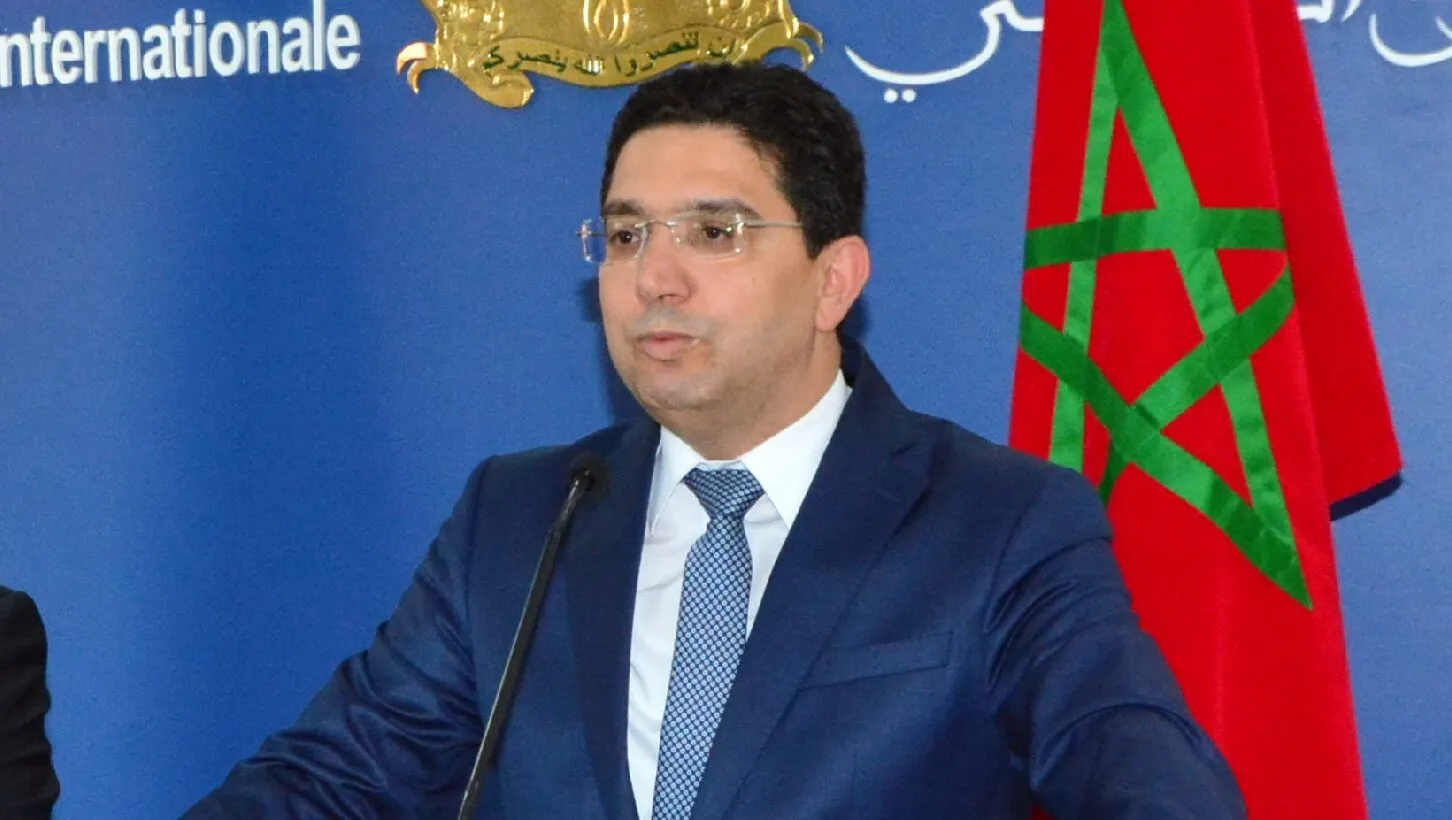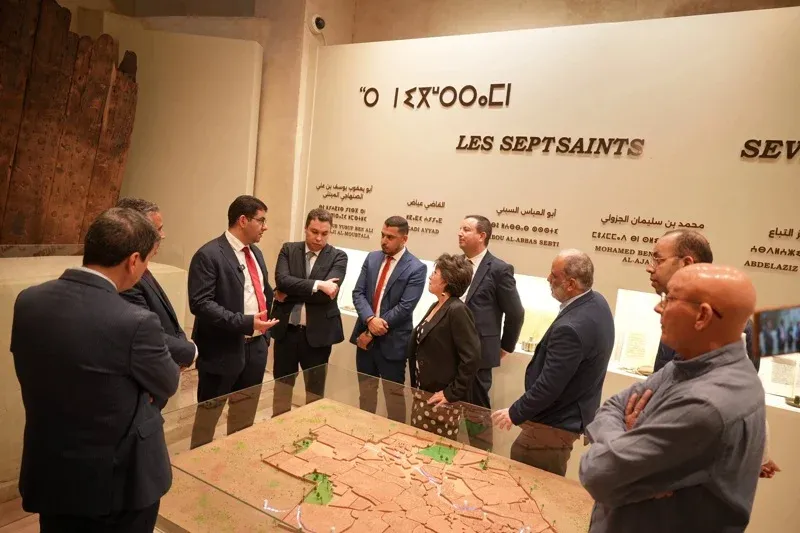
On Tuesday, Mohamed Mehdi Ben Saïd, the Minister of Youth, Culture, and Communication, embarked on an extensive field tour covering several prominent historical landmarks and archaeological sites in Marrakech and its surroundings. This visit aligns with the ongoing commitment to monitor projects aimed at protecting the national cultural heritage.
The minister began his tour by visiting the heritage interpretation centers at both Bab Ailan and Bab Ghamat. These centers serve as a genuine link between history and the general public, showcasing efforts to value national heritage while making it accessible to visitors through modern methods that enhance awareness of the importance of preserving this rich cultural legacy.
The tour also included a visit to the historical site of Aghmat, one of the oldest urban centers in Morocco's history, where the minister examined its unique archaeological components. Furthermore, the visit encompassed the stunning architecture of the Badi Palace and the Bahia Palace, both of which embody exceptional global architectural and heritage values that reflect the genius of Moroccan engineering throughout the ages.
A significant portion of this visit was dedicated to a hands-on assessment of the progress in restoration and maintenance work at these major archaeological sites that were affected by the Al Haouz earthquake. The minister observed the pace of work and the techniques employed to ensure the restoration of these landmarks while maintaining their authenticity and historical visual identity.
These continuous visits are part of a comprehensive vision aimed at enhancing both the tangible and intangible aspects of national heritage, and working to boost the appeal of historical sites as leading cultural and tourist destinations. This contributes to establishing their status as a fundamental pillar for the cultural and tourist prominence of the Kingdom of Morocco.
This initiative is set against the backdrop of a renewed national dynamic that seeks, with all its resources, to preserve collective memory, bring it closer to citizens, and ensure the continuity of this heritage for future generations as an integral part of the national identity deeply rooted in history.
As reported by hespress.com.