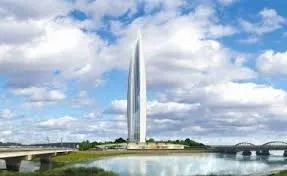
The Mohammed VI Tower has officially become the tallest building in Morocco, marking a significant transformation of the Rabat-Salé skyline since its inauguration in April 2026. Soaring to an impressive height of 250 meters above the Bouregreg valley, this architectural wonder quickly established itself as a key landmark within the Moroccan capital region. Strategically positioned between Rabat and Salé, the tower symbolizes the country's ambitious initiatives aimed at large-scale urban development, modernizing infrastructure, and adopting more energy-efficient construction practices.
With a total of 55 floors, the Mohammed VI Tower boasts four technical terraces and 38 elevators, showcasing the project's immense scale and the engineering prowess behind its creation. Notably, the design incorporates 3,900 square meters of photovoltaic panels, a crucial component in efforts to minimize the building's energy consumption and carbon footprint. Leila Haddaoui, the Deputy Chief Executive Officer of O Tower, the firm overseeing the development, stated that the tower has an installed capacity of 11.6 MVA, achieving a remarkable 40 percent reduction in energy use compared to typical reference buildings.
Furthermore, Haddaoui emphasized the tower's economic significance, highlighting that it has generated and sustained 450 direct jobs along with 3,500 indirect positions. This impressive employment impact positions the Mohammed VI Tower not merely as a standout architectural achievement but also as a substantial contributor to economic growth and job creation in the surrounding community. In addition to its economic contributions, the tower is set to attract a diverse range of visitors and foster business activities. Among its many features, a panoramic observatory offers breathtaking views of the Bouregreg valley and the expansive Rabat-Salé metropolitan area, enhancing the district's appeal as a hub for tourism, hospitality, and investment.
Guy Bertaud, General Manager of the Hotel de la Tour Mohammed VI, noted that the extensive solar panel installations will supply a significant portion of the energy required for the site. He regards this as a pivotal step toward a comprehensive sustainability strategy that aims to further the development's environmental goals. Bertaud also indicated that future initiatives will focus on social and local engagement, especially in the city of Salé, reflecting the project's broader ambitions that extend beyond mere architectural excellence to encompass a wider community impact.
In summary, the Mohammed VI Tower stands as a prominent representation of Morocco's dedication to blending prestigious construction with ecological mindfulness and local economic advancement. As Rabat and Salé continue their evolution, the tower is poised to serve as a visible symbol of the region's dynamic identity, merging modern design with national aspirations and a growing commitment to sustainability.
As reported by africanews.com.