
Strategic Priorities for Economic Development
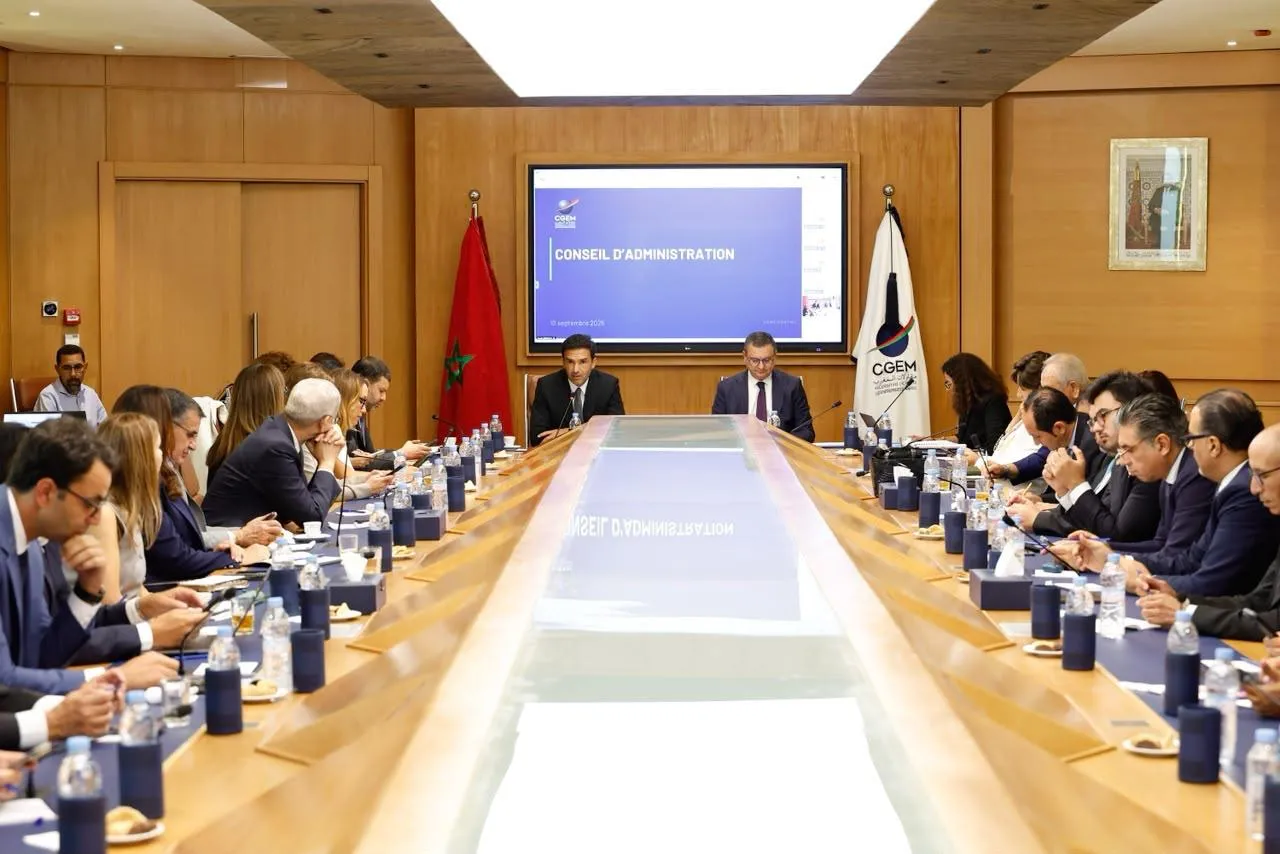
The General Confederation of Moroccan Enterprises (CGEM) has outlined five critical priorities aimed at fostering economic growth as part of their strategic agenda for the 2026-2029 term. This announcement was made during the second board meeting led by Mehdi Tazi, where significant issues affecting the private sector and the country's economic prospects were discussed. Tazi emphasized the necessity of strengthening the role of enterprises, particularly micro, small, and medium-sized businesses, which are essential drivers of growth. He highlighted their potential to create additional value and job opportunities, ensuring that youth, women, and all regions of Morocco benefit from economic dynamism.
The five priorities identified by the CGEM include accelerating private investment, expanding the national industrial base, enhancing competitiveness, improving production levels, providing increased support for micro and small enterprises, developing employment and skills, and fostering Moroccan companies' openness to international markets while diversifying their export destinations. This strategic focus emerges at a pivotal moment, as Morocco approaches the upcoming legislative elections scheduled for September 23, which have sparked discussions surrounding various economic and social issues central to electoral programs.
Collaboration and Institutional Governance
In this context, the CGEM has initiated consultations with several political parties interested in dialogue, aiming to gather their proposals and share the expectations of the private sector. Additionally, the CGEM intends to present its key priorities and the challenges facing Moroccan enterprises. According to Tazi, the federation is also working on establishing mechanisms for collaboration with the upcoming government within a framework of constructive and responsible dialogue, which will solidify Morocco's achievements and transition to a new phase of economic growth.
On the governance front, the board meeting saw the completion of the CGEM's internal structures in accordance with its bylaws and internal regulations, finalizing the formation of its thematic committees. The new structure comprises 22 committees focusing on essential economic and strategic issues central to the 2026-2029 agenda, including investment attractiveness, business climate, skills development, legislative reform, social dialogue, access to financing, and circular and green economies. These committees will also address logistics competitiveness, external trade development, tax and customs policy, industrial advancement and industrial zones, corporate social responsibility, and governance, alongside accelerating the growth of startups, artificial intelligence, and economic transformation.
The structural framework extends to issues related to the growth of micro, small, and medium-sized enterprises, entrepreneurship, innovation, economic studies, and intelligence, as well as specialized committees focusing on economic relations with Africa, Europe, the Mediterranean, the Americas, the Middle East, Asia, and Oceania. At the conclusion of the meeting, the board members approved the appointment of the permanent committee members of the CGEM, marking a significant step in completing its organizational structure and enhancing its readiness to implement the new term's program.
As reported by ar.industries.ma.