
Moroccan Citizens Prepare for Crucial Parliamentary Elections
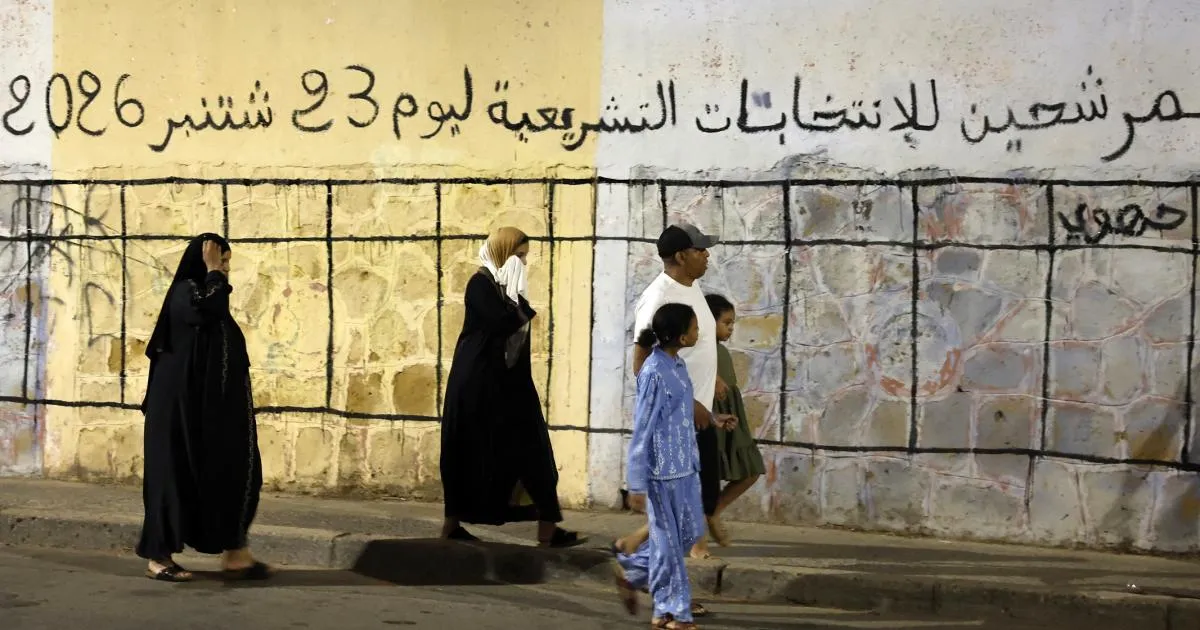
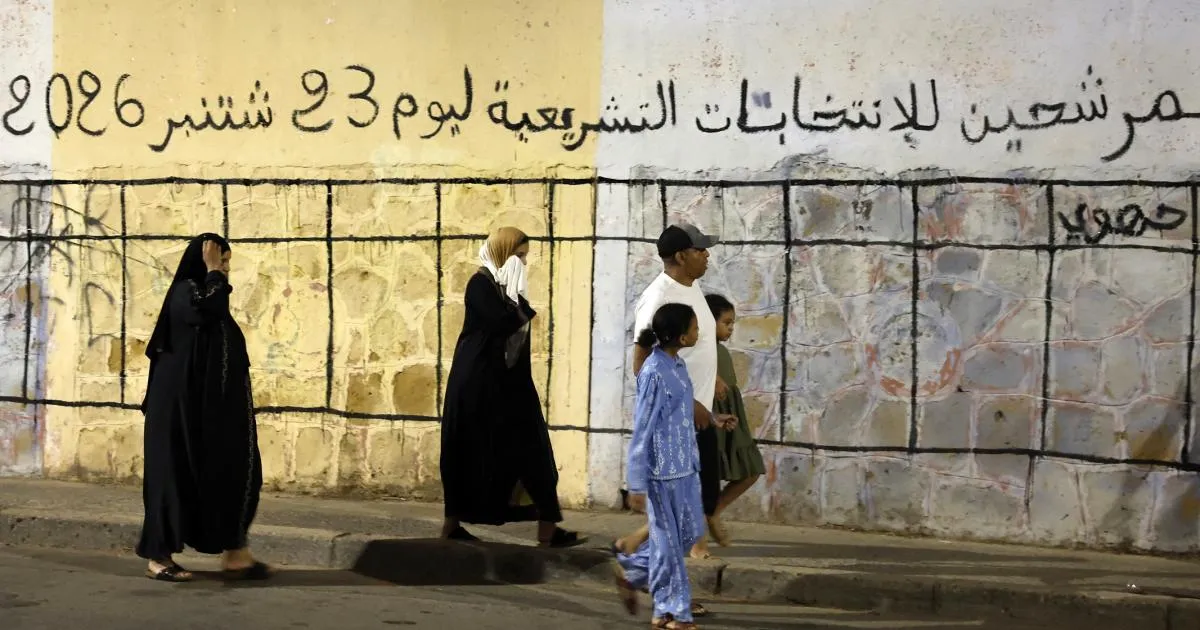
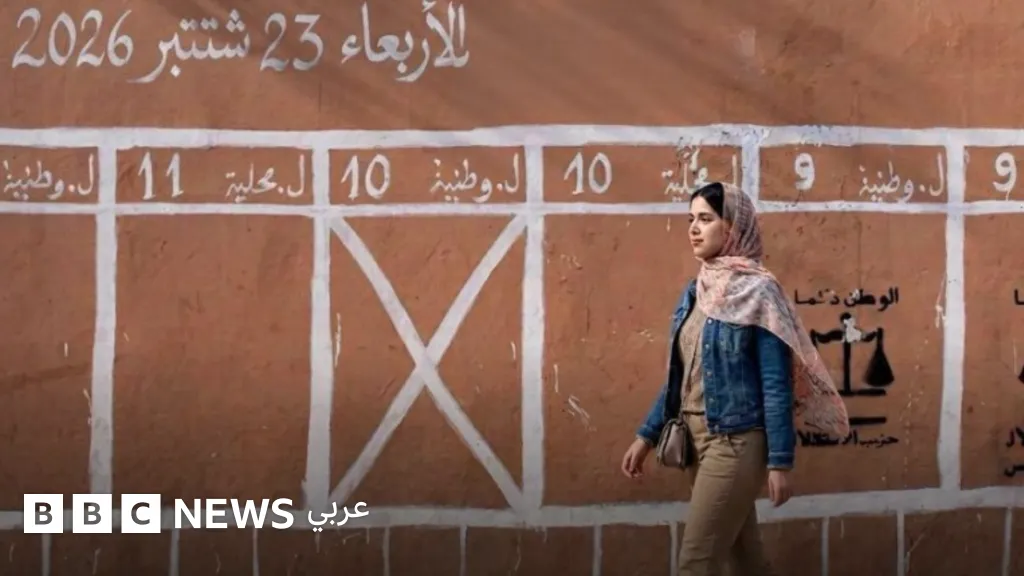
On Wednesday, September 23, Moroccans will head to the polls to elect members of the House of Representatives, the lower chamber of Parliament, for a five-year term. The number of registered voters stands at approximately 15.8 million, with 27 political parties vying for 395 seats under a system of direct proportional representation. This marks the fourth parliamentary election in Morocco since the so-called Arab Spring in 2011.
The election campaign commenced on September 10 and will continue until midnight on Tuesday, September 22, amidst various economic, social, and geopolitical challenges. These elections come on the heels of a perilous attempt by at least 70,000 individuals, mostly Moroccans, to cross into Europe via the border region of Ceuta with Spain, a situation attributed to economic difficulties.
Additionally, this election is notable as it is the first to occur in Morocco following last year’s protests known as the "Generation Z 212 Movement." Coinciding with ongoing conflicts in the Middle East, including the war with Iran, the political landscape is charged with urgency and expectation.
Political Parties Focus on Youth and Job Creation
The competing political parties are keen to attract young voters to the ballot boxes, promising to deliver jobs and affordable housing. The National Rally of Independents and the Authenticity and Modernity Party have made youth employment a central theme of their campaigns, pledging to create one million job opportunities during the upcoming parliamentary term, according to Reuters.
Mohamed Ghali, a political science and constitutional law professor at Cadi Ayyad University in Marrakech, noted a significant increase in youth participation in this election compared to previous legislative elections, both as candidates and voters. He attributed this rise to various legal measures that have encouraged youth involvement in political and party life.
Individuals aged 18 to 24 represent about 12% of Morocco's population, which totals around 36 million, yet they account for only about 3% of registered voters, according to official statistics. Unemployment remains a pressing issue, with around 27% of youth unemployed, the highest rate among all age groups in the country. Overall, the national unemployment rate was recorded at 9.5% in the second quarter of 2026, despite Morocco's robust economic growth in recent years under the coalition government of Aziz Akhannouch.
Recent estimates from the International Monetary Fund predict Morocco's GDP will grow by 4.9% in 2025, with an expected growth of 4.4% during this current year. However, this strong economic performance has not translated into job opportunities for the youth. A recent report from the Moroccan central bank highlighted a gap between the government's "successful" economic performance and the aspirations of citizens, particularly young people.
According to the Arab Barometer research network, four out of ten people (39%) believe that the gap between the rich and poor is widening in Morocco, with only one-third of Moroccans viewing the economic situation positively. This disparity has put the ambitious economic program of the ruling coalition under scrutiny, providing a substantial opportunity for opposition parties in this parliamentary election, particularly the Justice and Development Party (PJD), which experienced a historic defeat in the 2021 elections after nearly a decade in power.
The PJD aims to regain its electoral base after its parliamentary representation plummeted from 125 to just 13 seats in the September 2021 elections. In contrast, the National Rally of Independents secured 102 seats, while the Authenticity and Modernity Party and the Istiqlal Party gained 87 and 81 seats, respectively, forming the current ruling coalition.
The three ruling coalition parties propose major reforms in their electoral programs, including expanding social protection, health insurance coverage, and enhanced investment in infrastructure, especially in education and social welfare. Moroccans prioritize spending on support, education, and healthcare as key government expenditure areas, according to the Arab Barometer Network. Amidst the Generation Z 212 movement, protesters have criticized the government for "misplaced priorities," chanting slogans like "Stadiums exist, but where are the hospitals?" in reference to the preparations for the 2030 World Cup.
Alongside the ruling coalition parties and the PJD, the Socialist Union of Popular Forces, one of Morocco's oldest leftist parties, will also compete, as well as the Popular Movement, the Progress and Socialism Party, and the Constitutional Union. A notable development in the political landscape is the establishment of a "Left Alliance" announced in June, which includes the Unified Socialist Party and the Democratic Left Federation.
Moreover, the Justice and Spirituality Movement, the largest Islamic political group in Morocco, has declared a boycott of the parliamentary elections, urging citizens not to participate due to what it describes as a lack of "free and fair political competition." The movement argues that the existing party system prevents any single party from forming a government independently and executing its political program.
In a discussion with BBC, Ghali pointed out that the Justice and Spirituality Movement does not engage in political activities as an officially recognized party within the state's regulations. Their participation in elections through candidates is not a direct focus; they typically engage in indirect roles by supporting specific political factions. Ghali dismissed the movement's claims about the party system, emphasizing that Morocco's electoral model allows for proportional representation, enabling a broader range of parties, including smaller ones, to gain parliamentary seats.
With 7,288 candidates, including 2,658 women (36.5%), competing in this parliamentary election, the landscape is set for a significant democratic exercise that could reshape the future of Moroccan politics.
As reported by bbc.com.