
Upcoming Legislative Elections in Morocco
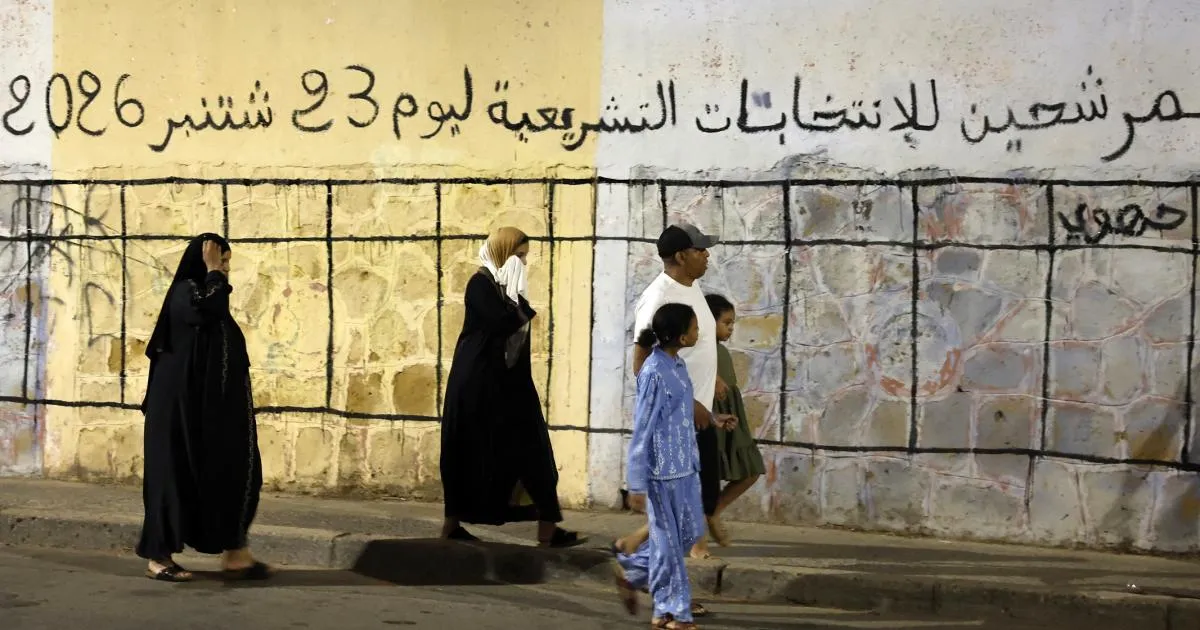
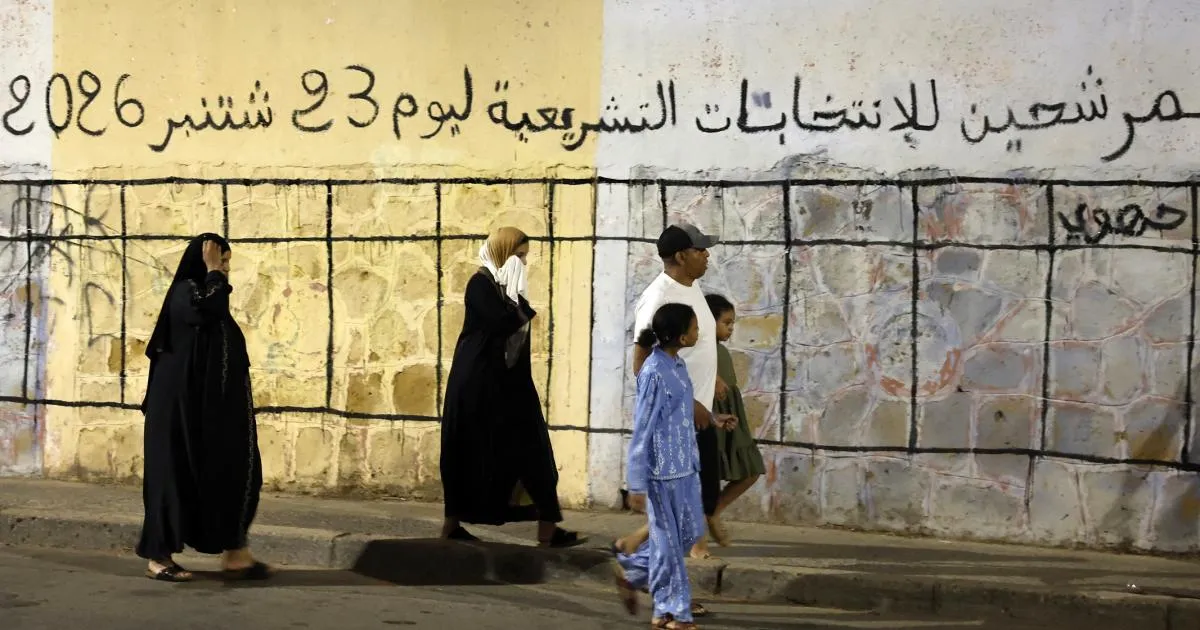
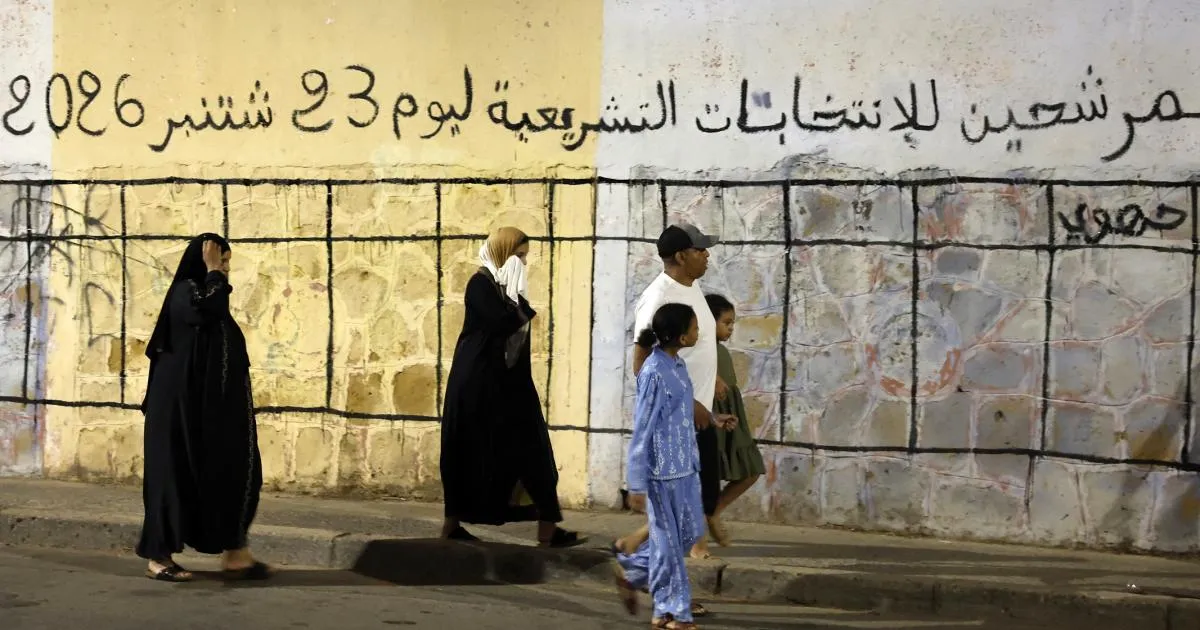
Morocco is entering a critical phase with the approaching legislative elections scheduled for September 23, during which approximately 16 million registered voters will head to the polls to select members of the House of Representatives. This electoral event is poised to shape the parliamentary and governmental landscape for the next five years. Political parties are competing for 395 seats in the House, with a staggering 7,288 candidates spread across 1,850 lists, averaging more than 18 candidates for each position.
The electoral campaign commenced on September 10 and will run until midnight on September 22, leading voters to polling stations the following day to choose their representatives. A total of 27 political parties are participating in this election, according to official Moroccan data, emphasizing the significance of this electoral exercise beyond merely forming a parliamentary majority and a new government. The elections present a vital test for parties, both those in the ruling coalition and those in opposition, regarding their ability to present programs that resonate with the demands of the Moroccan populace and address pressing social and economic issues.
Political Climate and Youth Engagement
This round of legislative elections raises crucial questions about the role of political parties in the upcoming period, whether within the ruling coalition or as opposition entities, and their capability to tackle the matters that concern Moroccans, particularly unemployment, job opportunities, development, and the enhancement of social and economic conditions. Younes Ballaidi, a young activist from the 'Z' generation, remarked that the existence of 27 parties competing in the elections theoretically suggests a robust democracy; however, the reality does not reflect this notion. In an interview with Al Arabi Television from Rabat, he elaborated that the actual political landscape is dominated by only two or three parties that monopolize the electoral process, employing various means to cement their influence within elected institutions, particularly in both chambers of parliament.
Ballaidi asserted that these practices do not undermine the legitimacy of the electoral moment, emphasizing that political activities, including the participation of the Progress and Socialism Party contesting the elections under its own name, still hold aspirations for securing seats and possibly leading the government despite the dominance of larger parties. He noted that Moroccan citizens, particularly the youth, have become disillusioned with party programs, as evidenced by the mass migration towards Ceuta in search of a change in their lives, only to confront a harsh reality.
In a related commentary, social policy expert Yadir Akioundi stated that the presence of 27 parties reflects political pluralism and democracy, affirming the freedom to establish parties and unions. However, what ultimately matters to citizens is the impact of these programs on their daily lives and their effectiveness in bringing about tangible change. The aspirations of Moroccans align with those of other nations; they yearn for freedom, social justice, and economic and political empowerment—goals that resonate across different ideological platforms. Yet, the reality reveals significant social and class disparities, persistent poverty rates, and a considerable disengagement of youth from political participation, as the number of registered voters does not accurately represent those eligible to vote.
Despite this disengagement, many young people actively engage in civil society organizations and practice politics in diverse ways focused on proximity, listening, and accountability. Furthermore, the ruling coalition, comprising three parties, has achieved some milestones; however, citizens' expectations continue to exceed what has been accomplished, as evidenced by the disputes and finger-pointing within the coalition. The opposition, while not responsible for the achievements, is also called upon to present realistic programs.
Abdel-Samad Jatwi, a university professor specialized in media and communication, noted that the current elections are taking place in a unique context, being the first after the COVID-19 pandemic, which saw the 2021 elections primarily unfold in the digital realm. Today, a dual experience is observed, combining on-the-ground presence with digital communication. Jatwi explained that party speeches and programs are now directed toward a specific audience, compelled by recent events and changes to prioritize new issues, a shift reflected in the electoral campaigns with increasing visibility of party leaders in direct communication.
These leaders strive to secure electoral victories themselves, with some resorting to using terms or information that may not be accurate, as part of communication strategies that fundamentally question the previous experiences of parties and their ability to comprehend the current context. He noted that these campaigns occur amidst a strong digital presence, where artificial intelligence poses significant challenges, as fabricated statements, manipulated images, and controversial positions compel parties to spend substantial time responding and clarifying instead of focusing on reaching their targeted audience. Jatwi concluded that the unregulated use of digital technologies raises ethical dilemmas and impacts the course of electoral campaigns.
As reported by alaraby.com.