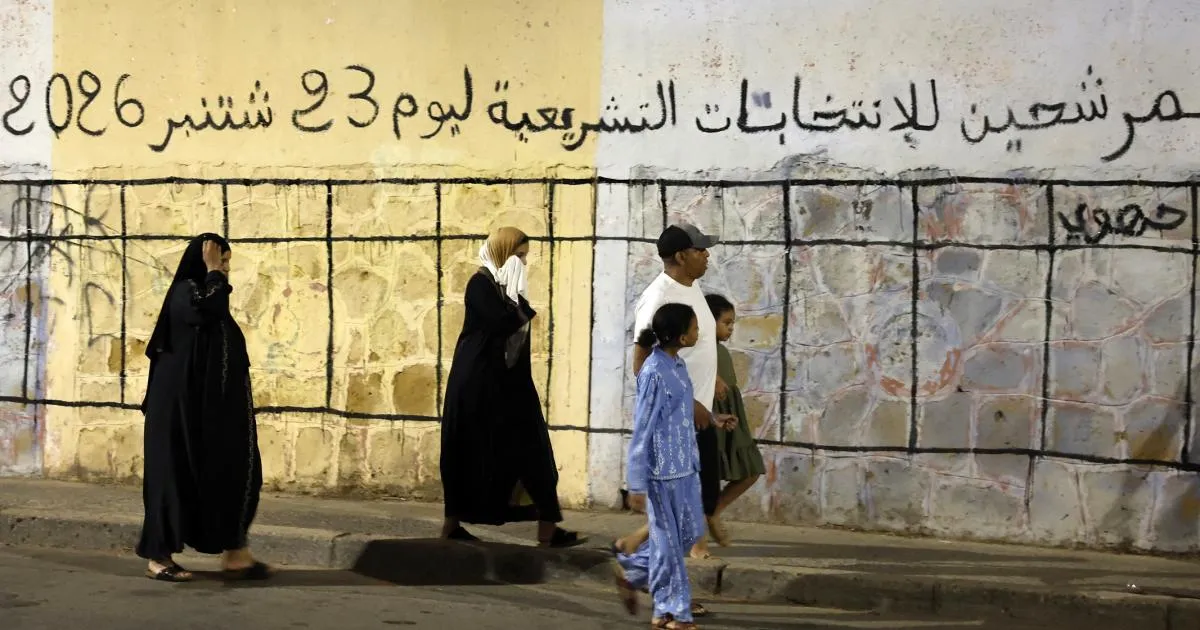

As Morocco approaches a critical juncture with the upcoming legislative elections scheduled for September 23, approximately 16 million registered voters are expected to head to the polls to select members of the House of Representatives. This electoral event is poised to shape the parliamentary and governmental landscape for the next five years, marking a significant moment in the country’s democratic development.
Political parties are vying for a total of 395 seats in the House of Representatives, with an impressive 7,288 candidates competing across 1,850 lists, which equates to an average of over 18 candidates per seat. The election campaign kicked off on September 10 and will continue until midnight on September 22, with voters preparing to cast their ballots the following day. A total of 27 political parties are officially participating in this electoral process, indicating a robust political engagement.
The significance of the upcoming elections transcends mere parliamentary majority formation and the establishment of a new government; it challenges both coalition government parties and opposition groups to present programs that resonate with the demands of Moroccan citizens. Key issues such as unemployment, economic development, and social welfare are at the forefront, and the elections will serve as a litmus test for parties’ abilities to address these pressing concerns.
In this context, Younes Bellayadi, a young political activist, noted that while the presence of 27 parties suggests a vibrant democracy, the reality is quite different. In an interview with Al-Arabi television from Rabat, he explained that the political landscape is largely dominated by just two or three parties that utilize various means to cement their influence within elected institutions, particularly the bicameral parliament.
Bellayadi pointed out that such practices do not necessarily delegitimize the electoral process, as parties like the Progress and Socialism Party remain hopeful about their chances of securing seats and possibly leading the government, despite the dominance of larger parties. He highlighted a growing disillusionment among Moroccan youth, who no longer differentiate between the various party programs and are increasingly despondent, as evidenced by the significant migration towards Ceuta in search of a better life, only to confront harsh realities.
Social policy expert Yadir Akyoundi echoed these sentiments, emphasizing that while the existence of 27 parties reflects political plurality and democratic principles, citizens ultimately care about the tangible impact of these programs on their daily lives. Moroccans share aspirations similar to those of people worldwide, yearning for freedom, social justice, and economic empowerment—goals that various parties profess to support, regardless of their ideological stances. However, the current landscape reveals stark social and economic disparities, high poverty rates, and a notable apathy among youth towards political participation, as evidenced by the voter registration figures that fail to represent the actual eligible population.
Nonetheless, this apathy does not equate to a lack of political engagement; many young people are actively involved in civil society organizations, practicing politics through community-based approaches that emphasize accountability and engagement. The ruling coalition of three parties has achieved some progress, yet public expectations remain greater than what has been delivered, underscored by ongoing disputes within the coalition. Moreover, the opposition, while not accountable for past achievements, is called upon to present realistic programs.
Abdel-Samad Jatiwi, a university professor specializing in media and communication, pointed out that the current elections take place in a unique context, being the first after the COVID-19 pandemic, which shifted the 2021 elections predominantly into the digital realm. Today, there is a dual experience that combines both physical presence and digital communication. Political speeches and party programs are increasingly tailored to a discerning audience, shaped by recent events and changing priorities, reflected in the heightened direct engagement of party leaders during the campaign.
These leaders are now more than ever trying to secure electoral victories on their own terms, with some resorting to potentially misleading information as part of their communication strategies, aimed at scrutinizing past party performances and their ability to adapt to the current context. Furthermore, these campaigns are unfolding against a backdrop of intensified digital engagement, where the challenge of misinformation, including fabricated statements and controversial positions, compels parties to spend considerable time addressing these issues rather than focusing on reaching their target audiences. Jatiwi emphasized that the unregulated use of digital tools raises ethical dilemmas and significantly impacts the trajectory of electoral campaigns.
As reported by alaraby.com.