
Morocco's Strong Stance Against Non-State Armed Groups
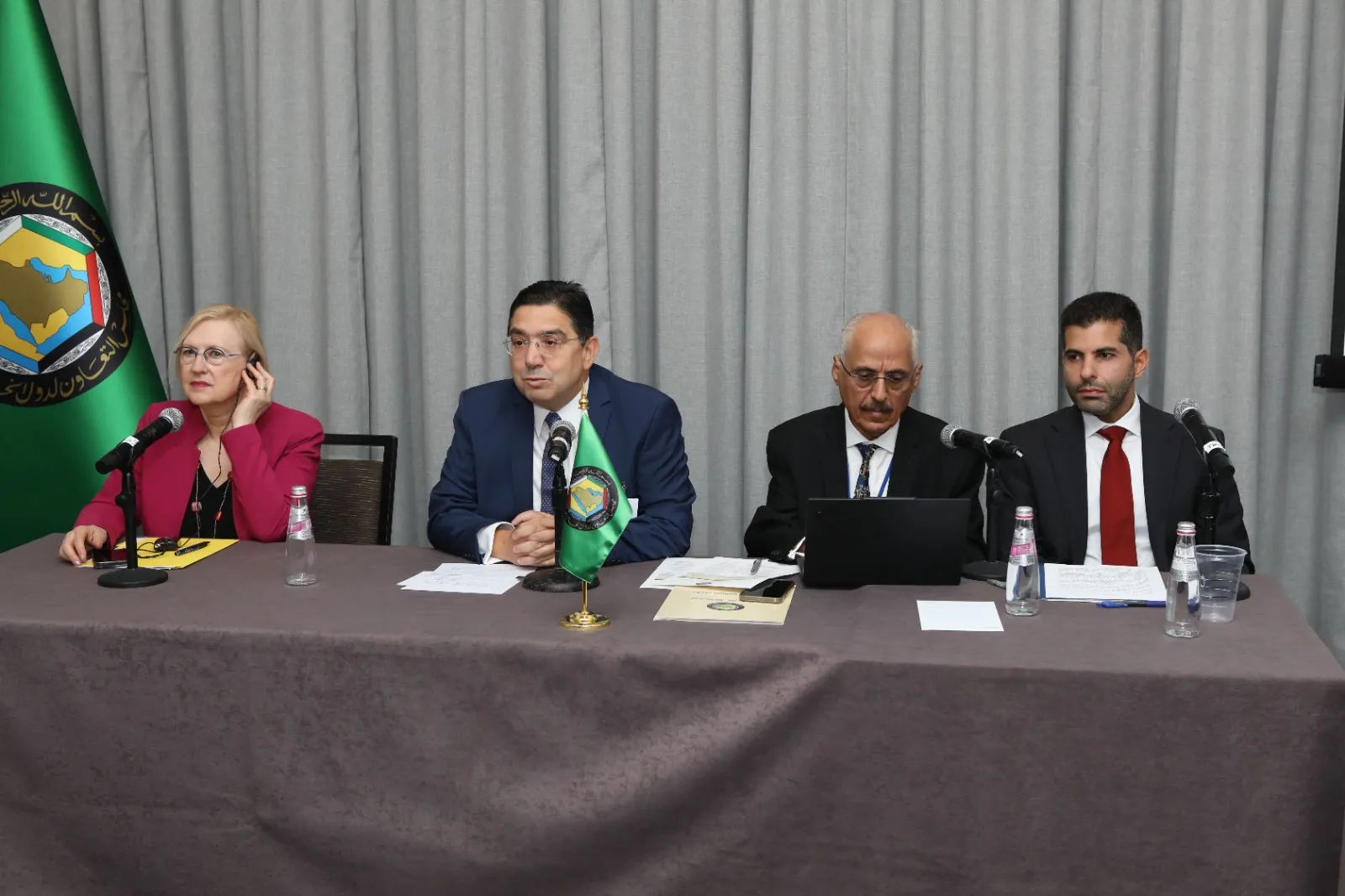
On September 21, 2026, during a high-profile event in New York focused on the "Challenges Posed by Non-State Armed Groups," Morocco's Minister of Foreign Affairs, African Cooperation and Moroccan Expatriates, Mr. Nasser Bourita, reiterated the Kingdom's unwavering condemnation of non-state armed groups. This significant meeting, organized by the Gulf Cooperation Council (GCC) in conjunction with the 81st session of the United Nations General Assembly, served as a platform for addressing the pressing issues arising from these groups.
During his address, Minister Bourita denounced the violent actions of the Houthi militias against the Kingdom of Saudi Arabia, as well as Iranian aggressions that threaten the security and stability of GCC nations. His remarks underscored the alarming situation regarding maritime security, where acts of aggression have increasingly jeopardized freedom of navigation, thereby exerting undue pressure and advancing the interests of specific hostile entities.
The Escalating Threat of Armed Groups
Highlighting the evolving landscape of non-state armed groups, Bourita pointed out their transformation into complex entities that exploit national vulnerabilities, traverse borders, and intertwine different theaters of conflict. He particularly emphasized the devastating impact of such groups in Africa, where approximately 24,000 fatalities over the past year can be attributed to violence instigated by armed factions. This staggering statistic illustrates the depth of the crisis and the urgent need for concerted action.
Furthermore, Bourita brought attention to the troubling convergence of terrorist organizations, separatist movements, and criminal networks, alongside the phenomenon of “proxy warfare.” He noted that certain states have been known to employ proxy armed actors to fulfill strategic objectives, often providing them sanctuary in violation of international law and the principles outlined in the United Nations Charter.
In response to these alarming trends, the minister urged the international community to take proactive measures to enhance cooperation in combating the financing, arms transfers, illicit trafficking, and external support that bolster these armed groups. He stressed the necessity of fortifying accountability and addressing the loopholes that enable proxies to operate without consequences, thus engaging the legal, political, and moral responsibilities of the nations that sponsor these factions and profit from their destabilizing activities.
In conclusion, Minister Bourita asserted that collective responsibility extends beyond merely containing these actors. It is imperative to prevent them from influencing future conflicts and to resolutely protect the sovereignty and territorial integrity of nations, as well as the security and dignity of their populations.
As reported by diplomatie.ma.