
King Mohamed VI Speaks on Migration Challenges and Bilateral Relations with Spain
On Friday, King Mohamed VI of Morocco publicly addressed the ongoing migration crisis affecting Ceuta for the first time, albeit without explicitly naming the autonomous city. He criticized what he termed "irresponsible statements from certain political and media circles" in Spain, although he refrained from naming specific individuals or groups. The King emphasized that Morocco's relationship with Spain is a "sovereign choice" and must not be subjected to any form of "pressure, threats, or blackmail."
During the opening of the new parliamentary session, the visibly weakened monarch acknowledged the significant advancements in various sectors of cooperation with Spain, particularly in combating irregular immigration. However, he cautioned that the current collaboration in this area faces substantial challenges linked to outdated legal provisions and judicial decisions that do not reflect reality. He pointed out specific issues such as the delay in the repatriation of unaccompanied minors, stating that such behaviors hinder the repatriation process and exacerbate the appetite of criminal networks.
King Mohamed VI asserted that Morocco is a "responsible and reliable partner," committed to honoring its obligations, and he expects to receive equivalent treatment from its partners. He admitted that the existing model of cooperation has reached its limits, evidenced by the recurrent crises, including the recent events in Ceuta this summer. In light of this, he announced Morocco's intention to present its partners, particularly the European Union, with a strategic document that outlines a clear and practical vision aimed at fostering shared development, economic competitiveness, and regional stability.
National Priorities and Youth Empowerment
This address came just days before the visit of the Spanish monarchs to Ceuta and Melilla. King Mohamed VI highlighted Morocco's consolidated position as a "responsible and reliable partner" committed to fulfilling its obligations while expecting similar treatment from its partners. He stressed that Rabat's balanced approach to managing migration has yielded tangible results but acknowledged that the current model of cooperation has become obsolete, as evidenced by the recurring crises.
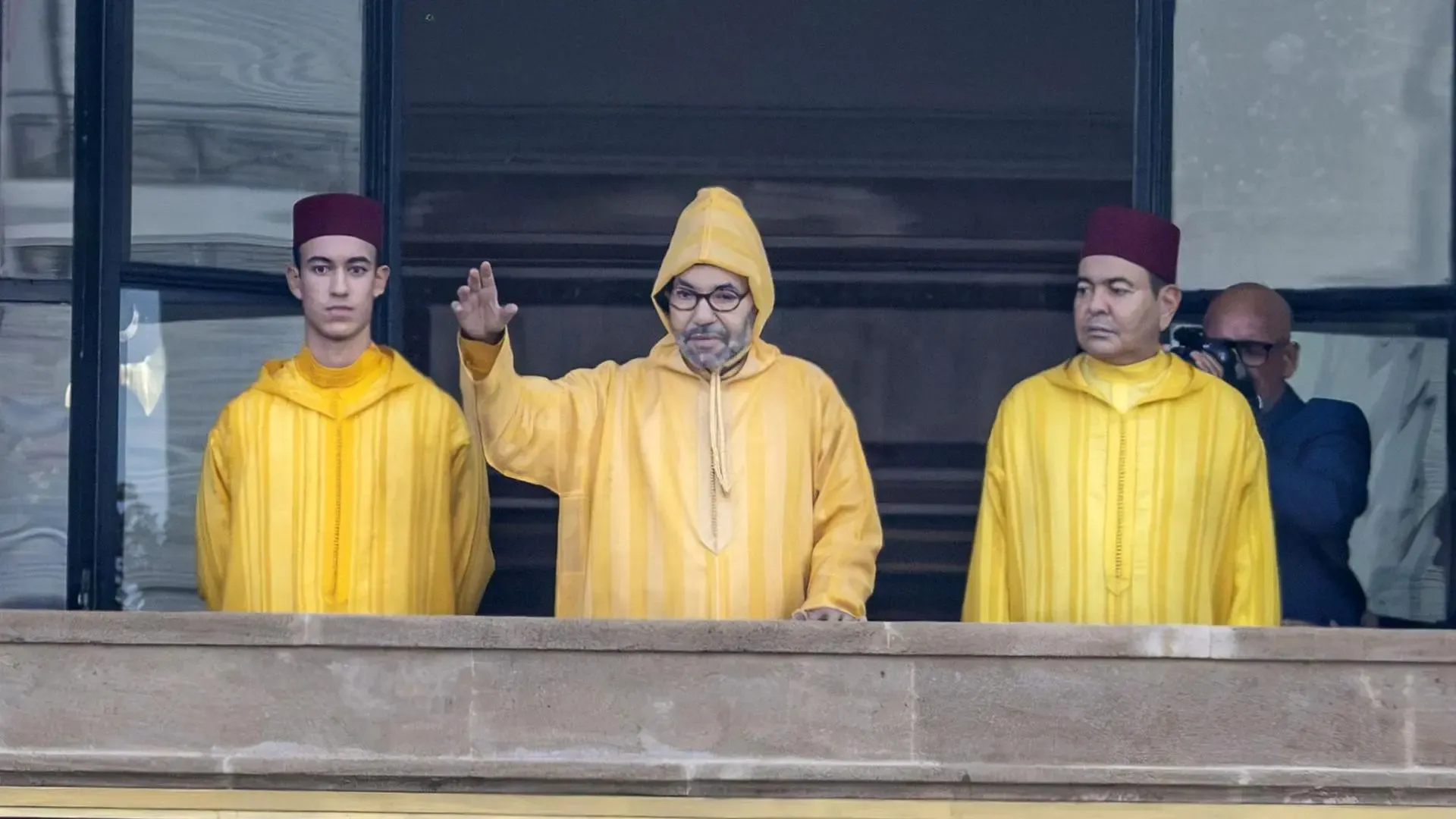
At the age of 63, King Mohamed VI, dressed in a traditional Moroccan chilaba and aided by crutches, was greeted by a crowd outside the Parliament as he arrived in an open car, accompanied by Crown Prince Mulay Hassan. His speech outlined the priorities for the new legislature, which will see a woman, Fatima Ezzahra El Mansouri, lead the government for the first time this year. The King also emphasized the need to prioritize youth, urging for their situation to be placed at the center of public policies and governance agendas. With nearly three million young people neither studying nor working, the country faces growing disenchantment among those who perceive emigration as the only path to a better future.
In response, King Mohamed VI called for policies that ensure "equality of opportunities" in education, training, and economic integration, reinforcing young people's confidence in a future rooted in freedom, dignity, and stability. He also urged the private sector to demonstrate greater initiative and innovation to enhance job creation, investment, and exports. Additionally, he called for the acceleration of advanced regionalization in the country to address administrative delays that hamper territorial development in a context marked by regional inequalities.
As reported by 20minutos.es.