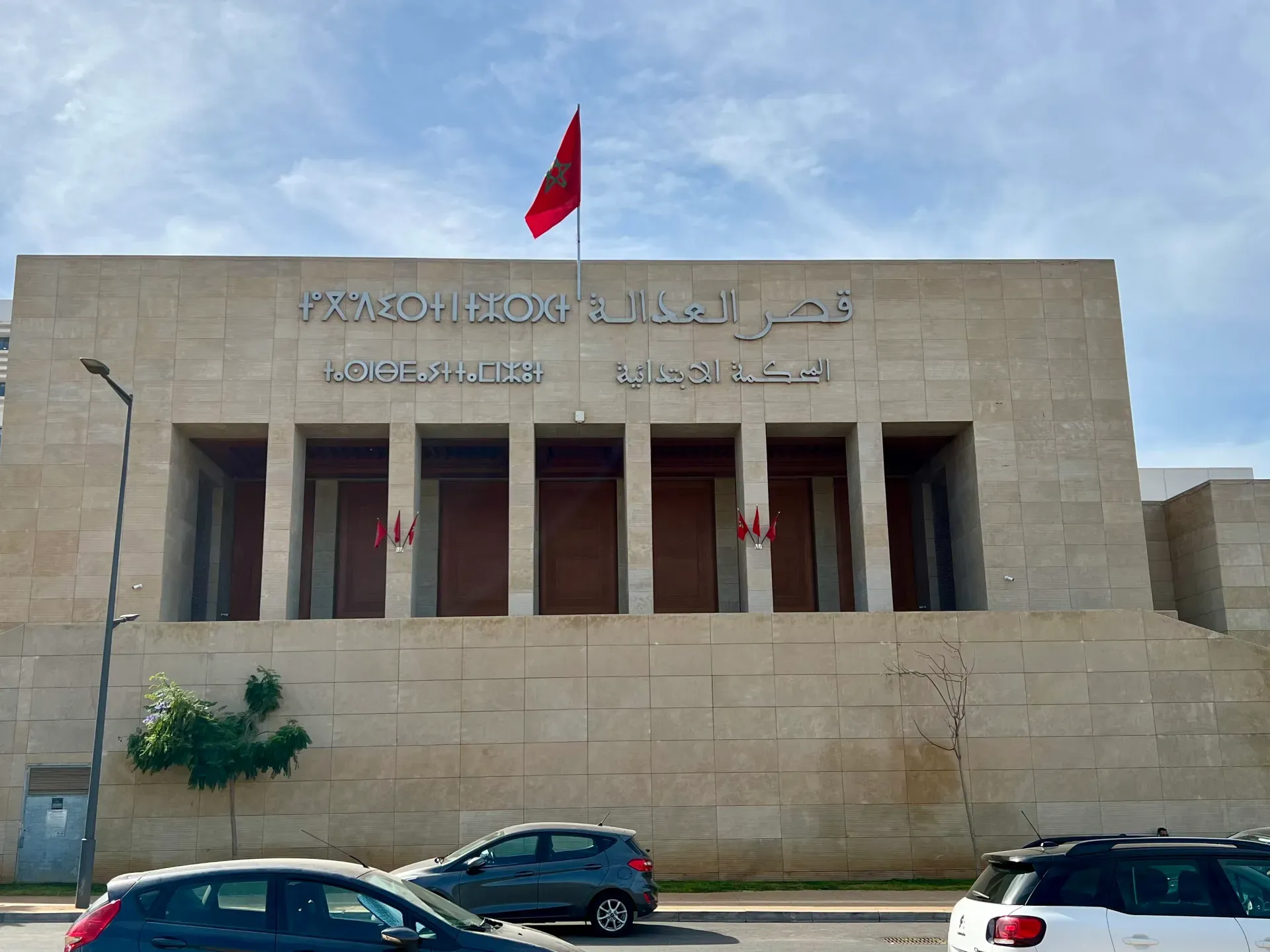

The legal landscape in Morocco is facing significant upheaval as lawyers have been engaged in an open-ended strike since June 15. This strike has resulted in a notable paralysis within the courts across the kingdom. The current unrest is not merely a spontaneous reaction but rather a culmination of a prolonged and contentious legislative process surrounding the new law regulating the legal profession. Lawyers, often clad in their traditional black robes, have remained steadfast in their demands for the protection of their historical gains, the assurance of their professional independence, and their inclusion in the drafting of this essential legislation. Since January, they have organized national and regional protests, intermittently boycotting court sessions and procedures, culminating in a continuous strike that has now extended beyond two months. The legislative process, however, has marched forward, reaching a critical juncture last Thursday when parliamentary discussions were concluded, and the law was officially published in the official gazette, thereby marking its implementation.
The publication of the law in the official gazette, which represents the final step in the legislative process, came just two days after the announcement by the Association of Bar Associations on August 18, reiterating their commitment to continue the work stoppage and their firm opposition to the law's development. They emphasized that the current crisis is not solely about the law's content but also pertains to the manner in which it was crafted, highlighting the absence of genuine stakeholder participation in the discussions.
A New Chapter in Legal Reform
In response to the law's publication, the Ministry of Justice promptly issued a statement characterizing this move as a 'milestone in the reform of the justice system.' They indicated that this reflects the government's commitment to continue modernizing the regulations governing various components of the system and affirmed their intention to work alongside various stakeholders, particularly the bar associations. The new law includes provisions that restructure the conditions for practicing law, outlines the relationship between attorney and client, and amends disciplinary mechanisms while granting broader powers to the Ministry of Justice. However, lawyers have vehemently opposed certain articles, arguing that these undermine their independence and the sanctity of defense, expressing outrage over the unilateral nature of the law's formulation, which includes provisions curtailing the powers of their professional institutions without their input.
Adil Chekito, the president of the Moroccan Human Rights League, asserts that the law's publication and enforcement do not nullify opposition to it; instead, it shifts the debate from preventing its enactment to testing its constitutionality and monitoring its impacts, aiming for amendments. He lamented that the legislative process has revealed the limitations of institutional dialogue and the inability of months of strikes, protests, and professional discussions to effect the desired change in the text. He pointed out that the government has shown complete detachment from human rights considerations and the principle of participatory democracy.
Possible Pathways for Amendment
Justice Minister Abdellatif Ouahbi addressed the media, expressing skepticism about the continuation of the lawyers' strike. In an interview with the second channel, he noted that lawyers are 'men of law who understand the significance of the law's publication in the official gazette and the royal decree for its implementation.' He anticipates a resolution to the crisis soon, suggesting that the law will undergo legal scrutiny, whether in court proceedings or through constitutional challenges, and he foresees potential amendments in the future, remarking, 'A new minister may come in the next term and possibly introduce changes.' Meanwhile, Aziz Rouibah, the president of the Rabat Bar Association, emphasized that the law's publication mandates respect for the institution responsible for its issuance, noting that 'the issuance of the law falls under the king's authority.' He indicated that this reality compels lawyers to think maturely and responsibly about making the appropriate decision soon.
Despite this, he firmly believes that numerous provisions of the law are 'unconstitutional and fundamentally undermine the profession's achievements.' Rouibah emphasized that the struggle will continue through alternative forms of activism within the framework of legality and respect for the law, constitution, and institutions. He asserted that lawyers have never been 'amateurs of activism or nihilists or gamblers' but that their actions throughout the legislative process have stemmed from a sense of responsibility and duty, driven by a commitment to the integrity and independence of the legal profession. Conversely, lawyer Najib Bakkali from the Casablanca Bar disagrees with calls to continue the strike or resist, stating that the law has become 'a fact that must be dealt with.' He urged the current context, marked by the upcoming parliamentary elections next month, to open a serious dialogue with political parties, especially opposition parties and certain components of the ruling majority, encouraging them to include amendments to the new law within their electoral programs.
Bakkali articulated that the lawyers' struggle is not time-bound but rather an ongoing and continuous fight, highlighting the necessity for institutional advocacy with the government that will emerge from the September 23 elections, as well as engaging with the national public opinion and governance bodies in the country. He posited that 'this legal text has little hope of enduring long and regulating the profession because it was issued without the involvement of those concerned.' In contrast, Chekito contends that merely repeating strikes is no longer sufficient; a new strategy is required that involves documenting the impacts of the contested provisions' implementation, utilizing the mechanism of raising constitutional objections when applicable, challenging practical decisions whenever possible, and preparing precise legislative proposals to amend contentious articles.
The ramifications of the lawyers' strike have been profound, as their refusal to amend the proposed law has led to a disruption lasting over two months, resulting in a paralysis of the courts and infringing upon the rights of litigants. This comprehensive work stoppage has caused administrative and legal procedures to stall, delaying the resolution of hundreds of cases and depriving vulnerable groups of their right to legal assistance and free defense. Abdessamad Al-Zakari is one litigant affected by this situation who reported that the court ruled in his favor in a case regarding eviction and the recovery of overdue rent after a year of litigation; however, the execution of the ruling has been hindered by the incomplete procedures resulting from the lawyers' strike.
In this context, Mohamed Benkaddour, president of the National Federation of Consumer Protection Associations, noted that the absence of legal representation during hearings has led to psychological and social disturbances for litigants due to the postponement of their cases, asserting that the absence of lawyers in sessions constitutes a breach of their obligations to their clients. He called for a conciliatory solution that guarantees lawyers' rights to protest and defend their profession while simultaneously protecting the clients' rights. The adverse effects of the strike have not only impacted litigants but have also jeopardized the financial stability of lawyers, particularly those with small practices, due to the interruption of a significant portion of their income during the complete work stoppage.
Bakkali emphasized the harsh consequences of the strike on young and new lawyers and small practice owners, as the legal profession is inherently freelancing based on daily work. Nonetheless, he praised the spirit of solidarity among professionals, noting that professional institutions and several law offices have taken on social responsibilities and provided support to alleviate the burden on lawyers. Rouibah, the president of the Rabat Bar Association, explained that his association activated a 'solidarity system' implemented for the first time during the strike against the law regulating the legal profession. He elaborated that this system, which involves deducting a certain percentage from lawyers' fees and placing it in a special account, aims to create financial balance among lawyers and deepen the sense of belonging to the profession, establishing solidarity as a fundamental right in times of crisis. Amidst these current developments, the lawyers' strike continues unabated on the ground, and no official decision has yet been announced by the Association of Bar Associations regarding it. Everyone is awaiting an extraordinary meeting of the association scheduled for mid-next week to announce its position on the law's implementation. Will it declare the end of the crisis and the cessation of the strike, or will this signal the beginning of a new battle with different tools?
As reported by aljazeera.net.