
The Struggles of Migrants in Morocco
In the vicinity of Fnideq, a Moroccan city close to the Spanish enclave of Ceuta, the aspirations of many migrants stand in stark contrast to their harsh reality. Although only a few kilometers separate these two locations, the emotional and social distance between those yearning to cross into Ceuta and those who choose to remain in Morocco is profound. Following a mass crossing attempt on July 30, where approximately 72,000 individuals made the perilous journey, there has been a surge in social media calls encouraging further crossings in mid-August. This surge in activity comes despite the tragic loss of around 100 lives during the July attempt, with many of those who successfully entered Ceuta having since returned to Morocco. Reports suggest that between 2,000 and 8,000 individuals remain in Ceuta, facing dire circumstances as they await decisions regarding their future, often sleeping on the beach.
Desperation Fuels Hope for a Better Life
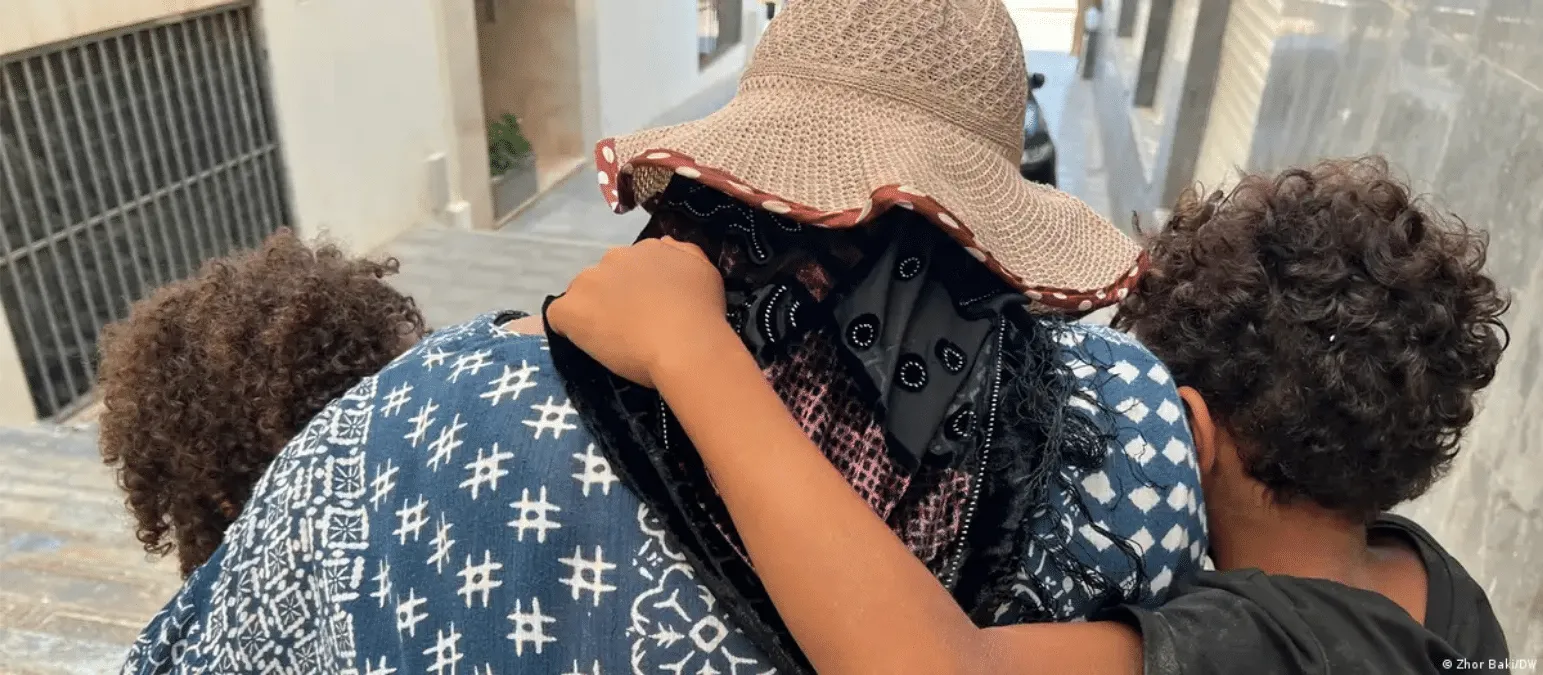
Amidst this backdrop, some hopeful migrants in Morocco continue to dream of a better life in Ceuta. One such individual is Malika, a mother of two who journeyed from Casablanca to Fnideq after hearing about the potential for another crossing. "My life is below zero," she expresses with tearful eyes, revealing the depth of her despair. She remains in Fnideq with her three-year-old daughter and eight-year-old son, wandering the streets in search of food and shelter, often sleeping outdoors. The recent rumors of another crossing opportunity have kept her hopeful, despite the heavy police presence and increased security measures implemented by both Moroccan and Spanish authorities to deter further attempts. Malika’s husband struggles with depression due to their extreme poverty, often leaving her alone to care for their children. She clings to the belief that in Ceuta, she and her children might find the support they desperately need.
Others, like 22-year-old Ahmed Amhid from Oued Zem, echo Malika's sentiments, expressing frustration over the lack of job opportunities in Morocco, which he believes offers no future prospects. Many young individuals have been influenced by social media depictions of successful crossing attempts, leading to a wave of migration interest driven by digital mobilization. However, not everyone in the region shares this desire to leave. Mohamed al-Dami, a 30-year-old local trader, dismisses the idea of risking his life for an uncertain future in Ceuta, expressing his contentment with his current life in Morocco. He believes that if individuals can secure a stable living, they should embrace it rather than pursue a potentially dangerous journey.
Local perspectives vary, with merchants like Munir Hamdouch acknowledging the economic struggles in Fnideq yet choosing to remain for the sake of their families and businesses. The migration phenomenon has notably altered the city’s identity, transforming it from a mere transit point into a base for many migrants. This shift has had significant economic, social, and cultural implications, affecting tourism and local economies. While some individuals are drawn to the allure of a better life abroad, others emphasize the importance of patience and appreciation for what they have, recognizing that the pursuit of an unattainable dream can lead to more suffering.
As reported by globalnation.inquirer.net.