
Moroccan Official Calls for Sacred Struggle Over Contested Cities
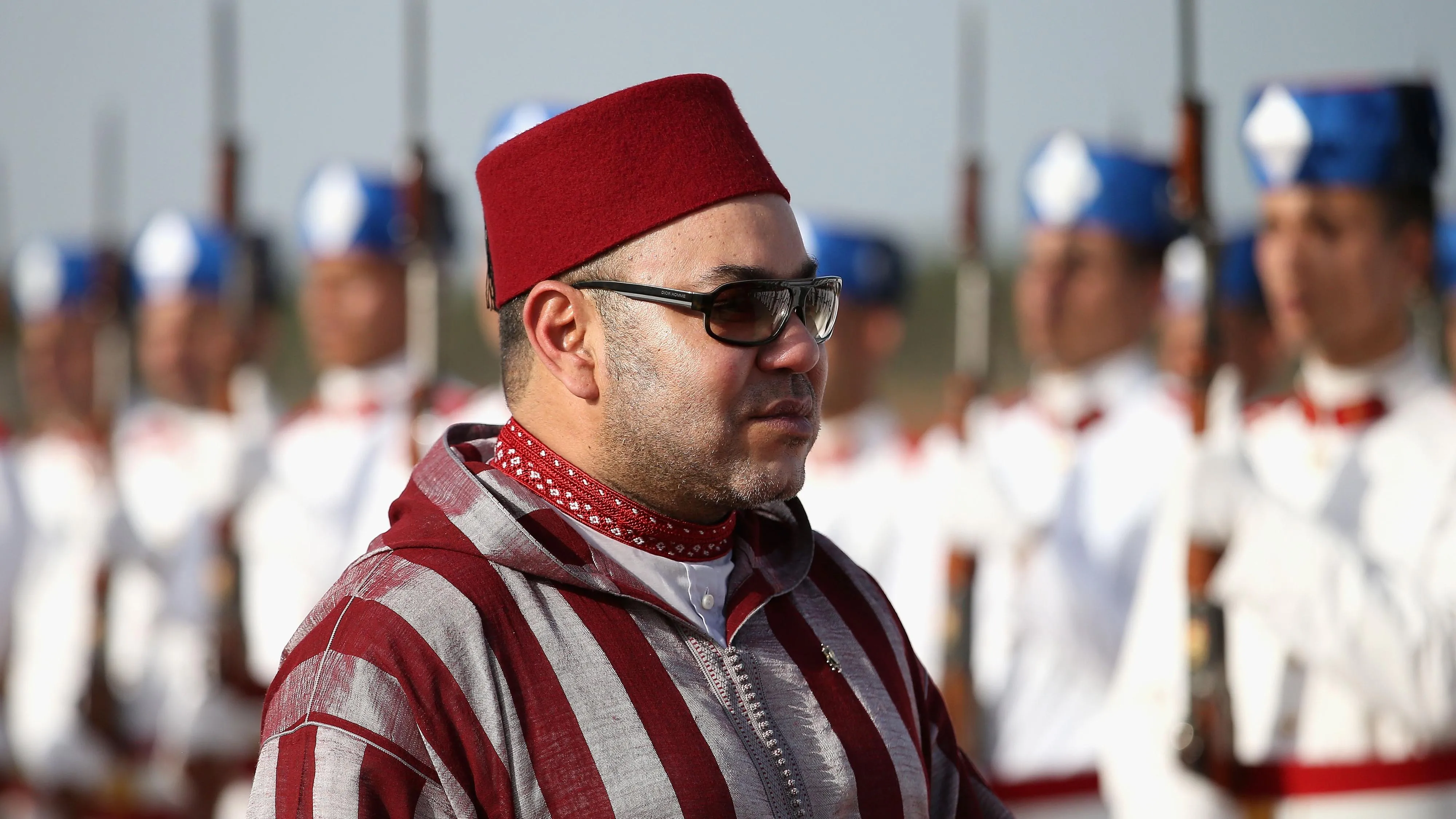
In a recent public address, Moroccan Minister of Religious Affairs, Ahmed Toufiq, emphasized a so-called "sacred struggle" aimed at liberating the disputed cities of Ceuta and Melilla, during the first public appearance of King Mohammed VI following a significant migration crisis at the Spanish autonomous city of Ceuta in late July. The remarks were made at a religious event held at the Royal Palace in Rabat, which was also attended by Crown Prince Mulay Hasan and Prime Minister Aziz Ajanuch. The king's re-emergence coincided with the celebration of 'Eid al Maulid al Nababi', a significant day in the Islamic calendar commemorating the birth of the Prophet Muhammad. During the event, Toufiq delivered a speech that referenced these two Spanish territories in connection with Morocco's cultural and religious ties to the Prophet Muhammad, as reported by the official news agency MAP.
Toufiq articulated that Morocco's connection to Muhammad is expressed politically and emotionally. Politically, this bond is represented through the continuous legacy of the Prophet, with allegiance to his descendants via the 'baya' (the oath of allegiance) to the king. Emotionally, this connection is highlighted through the promotion of Muhammad's "noble virtues" through various literary works, including the 'Treatise on the Healing Virtues of Knowledge of the Prophet's Rights' by Judge Ayad, and 'Anthology of Poems Composed to Celebrate the Birth of the Illustrious Prophet' by Al Azfi, both esteemed Islamic scholars from Ceuta. He also referenced 'Dalail al Jairat' by Imam Al Yazuli, a prominent text that became a symbol for Moroccans in their historical quest to reclaim these occupied Atlantic cities during the early modern period. This book, titled 'Guides to the Paths of Good' in Spanish, compiles prayers, supplications, and blessings dedicated to the Prophet Muhammad.
Historical Context and Continued Claims
The historical context surrounding Ceuta and Melilla is significant. Melilla was captured in 1497 by the Crown of Castile, while Ceuta was taken by Portugal in 1415, later coming under Spanish control due to the Iberian Union in 1580. Following Portugal's independence in 1640, Ceuta chose to remain loyal to the Spanish crown. Despite the longstanding nature of these claims, the mass reading of 'Dalail al Jairat' ignited religious fervor and popular resistance, solidifying its status as a moral emblem for Moroccans in their aspiration to recover these Spanish autonomous cities.
Judge Ayad (1083–1149) was a notable jurist who served as chief judge in Ceuta and later in Granada during the Almoravid dynasty. He was a key figure in a rebellion against the Almohads, who would later dominate North Africa and parts of Islamic Spain in the 12th century. After his defeat, Ayad negotiated the city’s surrender and subsequently went into exile. His work, 'Al Shifa', is a treatise focusing on spiritual medicine and Islamic theology, designed to "heal" the soul's doubts and strengthen believers' faith through love and respect for the Prophet. Another historical figure, Abu Abas al Azafi (1162–1236), was a Sufi master who instituted celebrations for Muhammad's birth in Ceuta, spreading this tradition throughout Al Andalus and North Africa.
In a broader context, King Mohammed VI's recent remarks come at a time when the Spanish government has reaffirmed its stance on the territorial integrity of Ceuta and Melilla, categorically stating that these cities are an integral part of Spain. The spokesperson for the Spanish government, Elma Sainz, reiterated that "Ceuta and Melilla are Spain, serving as our southern border and that of Europe." In a separate interview, Moroccan Justice Minister Abdellatif Ouahbi highlighted Morocco's historical and geographical claims to these cities, advocating for dialogue with Spanish authorities to find a definitive solution to the current status of Ceuta and Melilla. This ongoing dialogue underscores the complexity of the issue and reflects the deep-rooted sentiments surrounding these contested territories.
As reported by rtve.es.