
Transforming Moroccan Phosphate into High-Value Products
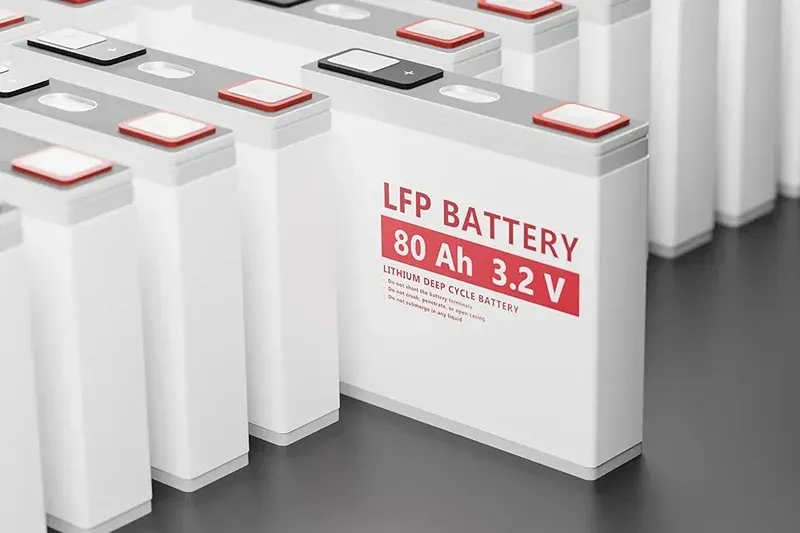
Moroccan phosphate is on the verge of a significant transformation as it expands beyond its traditional role in global food security to embrace opportunities in energy technologies. Purified phosphoric acid, which is essential in the production of lithium iron phosphate (LFP) battery cathodes, presents Morocco with a new avenue for industrial enhancement at the intersection of chemistry, electric mobility, and energy storage. This shift positions Morocco's phosphate resources and its processing capabilities at the heart of an expanding value chain that is likely to gain prominence in the coming years.
According to an analysis by the Washington Institute for Near East Policy, the focus on purified phosphoric acid (PPA) underscores its potential in the rapidly evolving global demand landscape. LFP batteries, which are increasingly employed in electric vehicles and energy storage systems, are becoming integral to industrial chains associated with electrification. Consequently, the raw materials and intermediate products required for their manufacture are gaining strategic significance within this context.
The Strategic Shift in Phosphate Utilization
The appeal of PPA lies in its pivotal role within this value chain. Derived from phosphate, it acts as an intermediary in the production of LFP cathode materials, thereby opening up additional pathways for Morocco to capitalize on its abundant resources, diverging from its historical reliance on fertilizer production. Salma Annasse's analysis emphasizes that the global refining of purified phosphoric acid remains highly concentrated, granting strategic importance to the production capabilities of countries that possess both phosphate resources and the industrial capacity to process them effectively.
Morocco exemplifies this advantageous combination. The phosphate industry, centered around the Office Chérifien des Phosphates (OCP), has progressively evolved through greater integration—from phosphate rock extraction to phosphoric acid and fertilizer production. The challenge now lies in extending this chain towards innovative industrial applications. This development does not negate Morocco's primary phosphate role in global agriculture; rather, it highlights the gradual expansion of its markets. The same mineral can thus support a global fertilizer industry while also laying the groundwork for products aimed at booming industrial sectors.
The enhanced positioning of OCP reflects a deeper engagement in the value chain, where the focus shifts from merely increasing production capacities or entering new fertilizer markets to capturing more value at each transformation stage. The transition towards products used in LFP batteries aligns with this strategy, drawing the phosphate industry closer to markets such as electric mobility and stationary storage, both of which are experiencing growing demand for battery materials.
This industrial interest is also significant; producing PPA requires specialized processing capabilities and adapted procedures, which diminishes the rationale of simply exporting raw materials. The value gradually shifts toward intermediate products and industrial applications. The Washington Institute's analysis invites us to reconsider Moroccan phosphate: not merely as an agricultural resource, but as a crucial entry point into several strategic industrial chains.
As the battery value chains undergo profound reconfiguration, automakers, battery manufacturers, and major industrial producers are increasingly focused on securing their supply chains and bringing various production stages closer to end markets. In this context, Morocco boasts several advantages: a leading phosphate resource, an integrated industry centered around OCP, and a geographical position that facilitates its integration into European and international value chains.
The diversification of new markets for phosphate derivatives does not indicate a shift of the Moroccan industry towards batteries at the expense of fertilizers; rather, it suggests the addition of a new layer of transformation to an already highly integrated industry. The potential becomes even more significant as LFP batteries play an increasingly crucial role in electric vehicles and storage solutions, creating new demands for materials and intermediate products. Thus, Moroccan phosphate stands at the crossroads of multiple markets: agriculture, chemistry, electric mobility, and energy storage. This diversification adds a new dimension to Morocco's value enhancement strategy.
As reported by fr.hespress.com.