
Moroccan Hostility Amid Diplomatic Thaw
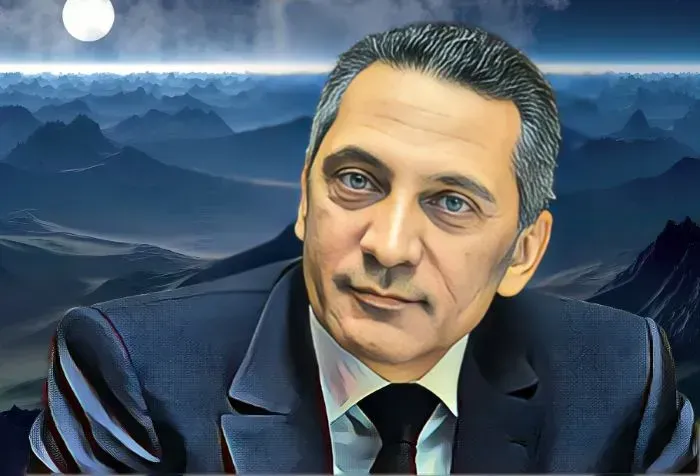
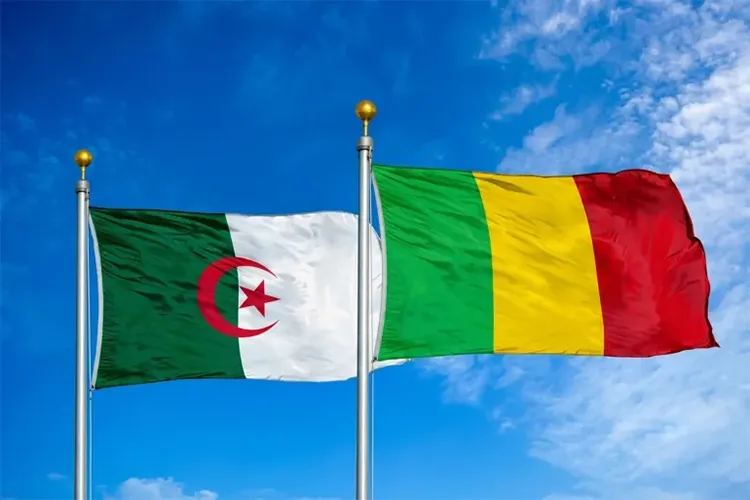
The Moroccan regime has swiftly exhibited its antagonism as Algeria embarks on a journey to mend relations with its southern neighbor, Mali. This diplomatic rapprochement comes over a year after tensions between Algiers and Bamako escalated into a complete rupture, which certain hostile factions have attempted to exploit to widen the rift between these two neighboring nations. In a striking turn of events, less than two weeks following the announcement of restored diplomatic ties, the reopening of airspace, and the reappointment of ambassadors, Moroccan Foreign Minister Nasser Bourita embarked on a visit to Bamako, raising eyebrows regarding the intentions behind this diplomatic maneuver.
The timing of Bourita's visit, coupled with its outcomes, strongly suggests an agenda aimed at obstructing the fragile reconciliation process between Algeria and Mali. This suspicion was further bolstered by a statement from Mali’s Foreign Ministry, which was disseminated via its official Facebook account after a meeting with Bourita and Malian Foreign Minister Abdoulaye Diop. Notably, the statement highlighted the contentious issue of Western Sahara, aligning with Mali’s earlier endorsement of Morocco’s autonomy proposal for the region, first introduced by Rabat in 2007.
Moroccan Initiatives and Regional Implications
In a related development, Morocco’s Foreign Ministry announced the provision of a vocational training complex to Mali, focused on construction, public works, hospitality, tourism, and catering. This initiative was framed as part of a broader bilateral cooperation effort. However, this opportunistic maneuver mirrors previous initiatives by Algeria in neighboring countries such as Niger and Burkina Faso, where Algeria has also extended aid in the form of power-generation facilities and various sectoral agreements aimed at fortifying bilateral relations.
The rapidity of Morocco’s actions has raised concerns among observers, particularly given the sensitivity surrounding the Western Sahara issue within Algeria’s diplomatic framework, which views this matter as a critical geopolitical concern. A diplomatic expert noted that these occurrences underscore Morocco's persistent fixation on Algeria's engagements with its southern neighbors, suggesting that Rabat is keen to undermine such relationships for its own geopolitical ambitions, despite its geographical detachment from the Sahel region.
Nevertheless, the analyst expressed optimism regarding the future of Algeria-Mali relations, asserting that both countries can collaborate on mutually beneficial initiatives while temporarily sidelining contentious issues. The current phase of rebuilding ties is still nascent, and with time, it is plausible for the two nations to rekindle the historic partnership that dates back to their independence in the early 1960s.
Moreover, the expert posited that Morocco’s initiatives appear designed to solidify its influence in Bamako before Algeria can fully reclaim its historical sway over Mali. This strategy could explain the Moroccan regime's decision to publicize the provision of the vocational training complex, suggesting that the initiative may serve ulterior political and diplomatic motives rather than altruistic intent.
In previous instances, Algerian authorities have accused the Moroccan regime, alongside entities like the Zionist state and the United Arab Emirates, of exacerbating tensions between Algeria and Mali. Algiers claims that these actors have been instrumental in fueling discord and promoting narratives aimed at destabilizing Mali.
As reported by echoroukonline.com.