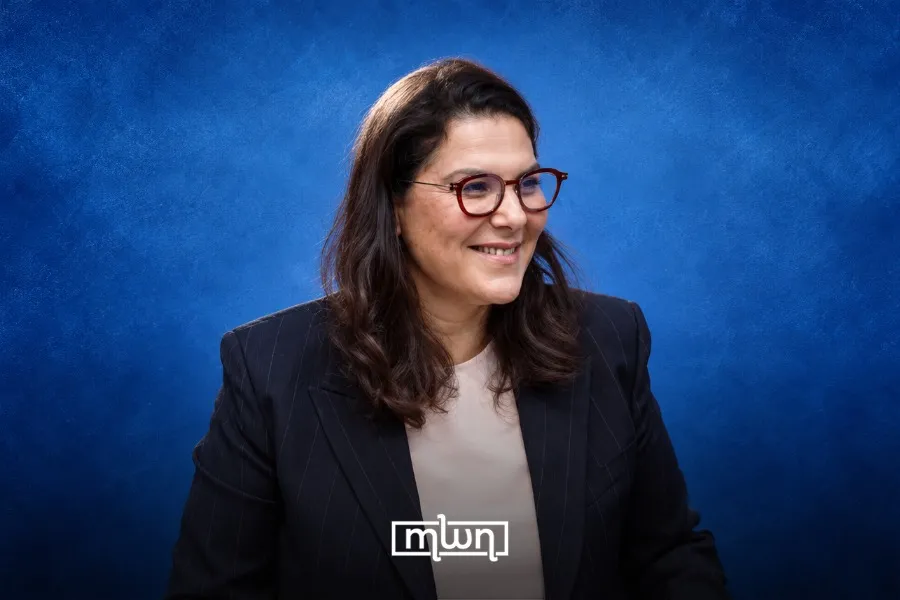

In a significant appeal, Morocco’s National Union for Administrative Reform, which is associated with the Moroccan Workers’ Union (UMT), has called upon Fatima Ezzahra El Mansouri, the newly appointed Head of Government, to prioritize both digital transformation and administrative reform in her administration. The union has urged the incoming government to expedite the modernization of public services, enhance investments in artificial intelligence, and improve the skills and working conditions of public sector employees.
Fatima Ezzahra El Mansouri, who made history as Morocco's first woman to serve as head of government, was appointed by King Mohammed VI on September 29, following her Authenticity and Modernity Party (PAM) winning the most seats in the legislative elections held on September 23. As coalition negotiations are currently underway, the union's statement articulates a clear set of demands that prioritize public administration and digital transformation as critical areas for immediate attention in the new government's agenda.
In a statement released to mark the beginning of the 2026-2027 social season, the union emphasized that digital transformation and administrative reform should not be viewed merely as technical or management initiatives, but rather as strategic imperatives intricately linked to Morocco’s economic future, the enhancement of public service quality, and the overall relationship between citizens and the state. Furthermore, the union has called for the preservation of the institutional integrity of the digital transition and administrative reform sectors, cautioning against any efforts to dismantle them for what it has termed “narrow political” motives.
The union made it clear that technology must be harnessed to improve public services while ensuring fairness, transparency, and efficiency, rather than perpetuating existing deficiencies within the administrative framework. These demands coincide with Morocco’s ongoing agenda to advance its digital government initiatives, which include simplifying access to public services and promoting the use of digital tools and artificial intelligence across various administrative sectors.
While the union acknowledged the positive impact of the previous government's sectoral social dialogue and highlighted the April 30, 2026 social agreement that addressed several professional and social issues impacting public employees, it pointed out that many commitments remain unfulfilled. Specifically, the union urged the incoming government to transform the remaining obligations under this agreement into tangible legal and professional advancements, particularly regarding the motivation and retention of skilled workers.
Moreover, the union advocated for promotions and incentives to be rooted in merit, performance, experience, and specialization, while stressing the need for greater transparency and fairness in human resource management. With regards to governance, the union has called for decisive measures against corruption, favoritism, and mismanagement, asserting that accountability and transparency are crucial to safeguarding public funds and fostering trust in governmental institutions.
Ultimately, the union posited that the modernization of Morocco’s administration is closely tied to the treatment of its employees, arguing that the protection of public services and the defense of workers’ rights should remain complementary objectives for El Mansouri's incoming government.
As reported by moroccoworldnews.com.