
Discontent Among Young Voters in Morocco
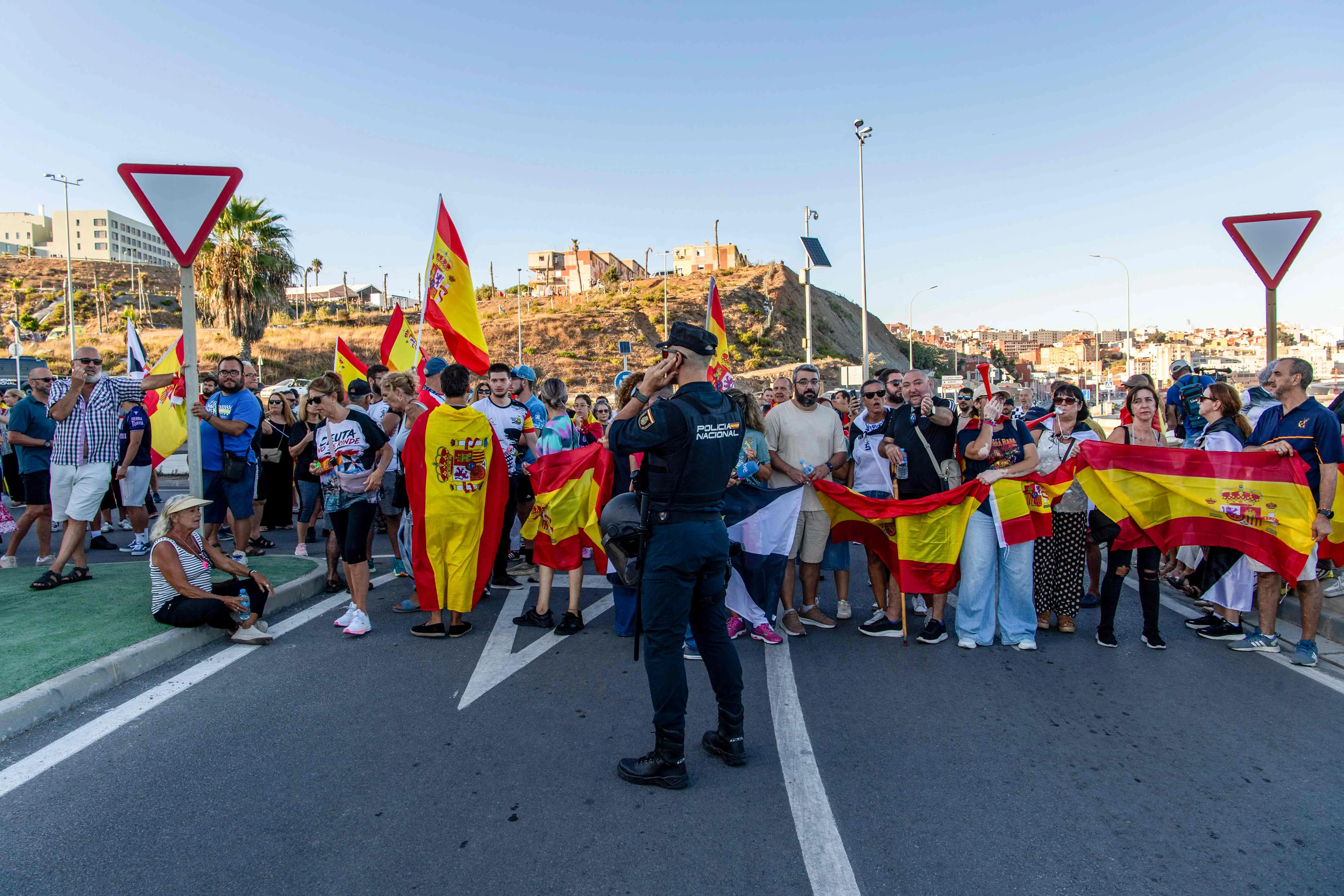
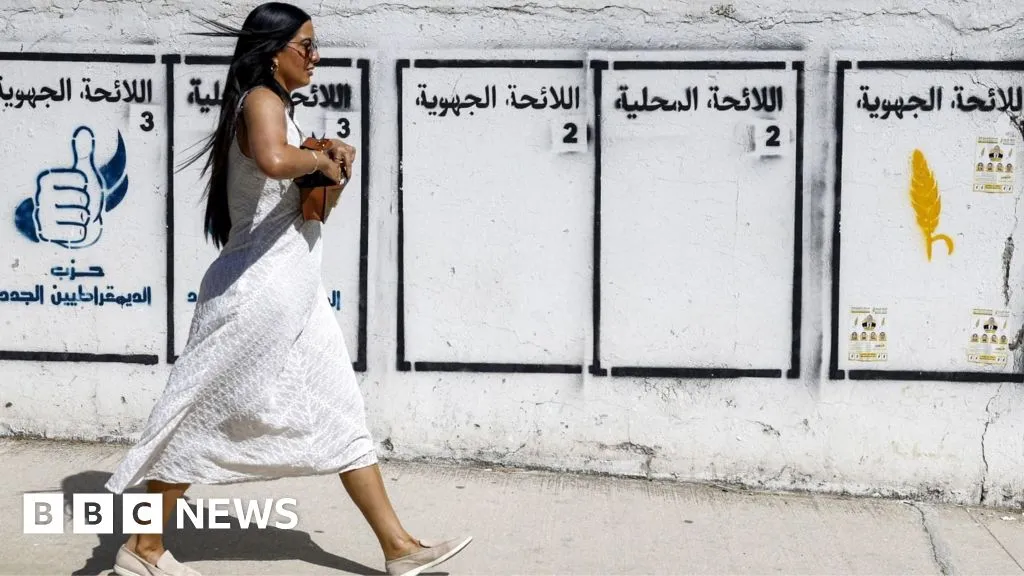
As Morocco approaches its parliamentary elections, scheduled for Wednesday, a noticeable wave of disillusionment permeates the sentiments of younger voters. With candidates from 27 political parties vying for attention, many young Moroccans express frustration at what they perceive as an increasingly disconnected political landscape. Siham Azeroual, a 32-year-old environmental activist from the Atlas region, articulates this sentiment, stating, "I have no hope for this election. I'm ashamed of our political scene. It's a complete circus." This discontent is mirrored in the broader societal context, as recent events—such as the perilous journey of 60,000 individuals who attempted to migrate from Morocco to the Spanish enclave of Ceuta—highlight the stark lack of opportunity available to the youth in the country.
Morocco operates under a constitutional monarchy, where political parties compete for 395 seats in the House of Representatives. However, real executive power remains tightly intertwined with the monarchy. King Mohammed VI appoints the prime minister from the winning party but also presides over the Council of Ministers, the primary policy-making body in the nation. The current political climate is further complicated by a series of protests that erupted in September 2025, driven by issues related to unemployment, healthcare, and the rising cost of living. These protests have given rise to slogans such as "freedom, dignity, and social justice," alongside calls for the resignation of Prime Minister Aziz Akhannouch.
Emergence of New Voices and Political Aspirations
In the face of widespread discontent, there are signs of a new generation attempting to make their voices heard within the political arena. Hamza El Kharroubi, a 29-year-old who faced arrest during the protests, has decided to run for parliament under the Environment and Sustainable Development Party, which is focused on green initiatives. He emphasizes the need for young people to secure representation, stating, "As young people, we have to enter the parliament so by 2031 we have strong young politicians who can compete for a seat in the government." El Kharroubi's motivations are strongly rooted in the economic struggles that have driven thousands to attempt dangerous crossings to Europe, with the International Monetary Fund reporting a staggering youth unemployment rate of 37.3%. He calls for justice for those who lost their lives during these crossings and seeks compensation for their families, reinforcing the connection between migration and economic hardship.
Meanwhile, the current political landscape also features figures such as Fouzi Lekjaa, the head of the Royal Moroccan Football Federation. His rise to prominence coincides with Morocco's historic performance in the 2022 World Cup, and he has leveraged this popularity by joining the centrist Party of Authenticity and Modernity (Pam). His campaign promises to elevate Morocco's global standing in education and healthcare to match the national football team's success. However, skepticism remains regarding the feasibility of such ambitious pledges. Political experts, like Rachid Aourraz from the Moroccan Institute for Policy Analysis, argue that many political parties lack a clear alternative vision for governance and instead focus on implementing policies dictated by the royal agenda.
As the elections draw near, the Islamist Justice and Development Party (PJD) is also attempting a political comeback, capitalizing on anti-Israel sentiments that have emerged since Morocco normalized relations with Israel in December 2020. Led by former Prime Minister Abdelilah Benkirane, the PJD is advocating for an end to diplomatic ties with Israel, claiming that the previous normalization was a mistake. The backdrop of ongoing protests against Israeli actions in Gaza has only intensified this narrative, with Benkirane urging supporters to be vocal in their opposition.
The youth demographic, which constitutes a significant portion of Morocco's population, remains underrepresented in the electoral process, with only 4% of registered voters aged between 18 and 24. Despite feeling disconnected from traditional political campaigns, young Moroccans abroad, like Hiba from Canada, express a desire for change and are actively involved in political discussions. Hiba, who co-organized protests in Montreal, acknowledges that although she couldn't vote from abroad, the increased visibility of youth voices in political debates is a positive outcome of their activism. Siham Azeroual echoes this sentiment, advocating for grassroots efforts to foster community connections and build a foundation for future political engagement. Despite reservations about the current political landscape, she remains committed to participating in the upcoming election, indicating a willingness among youth to engage with the system in hopes of effecting change.
As reported by bbc.com.