
Disillusionment Among Young Voters in Morocco
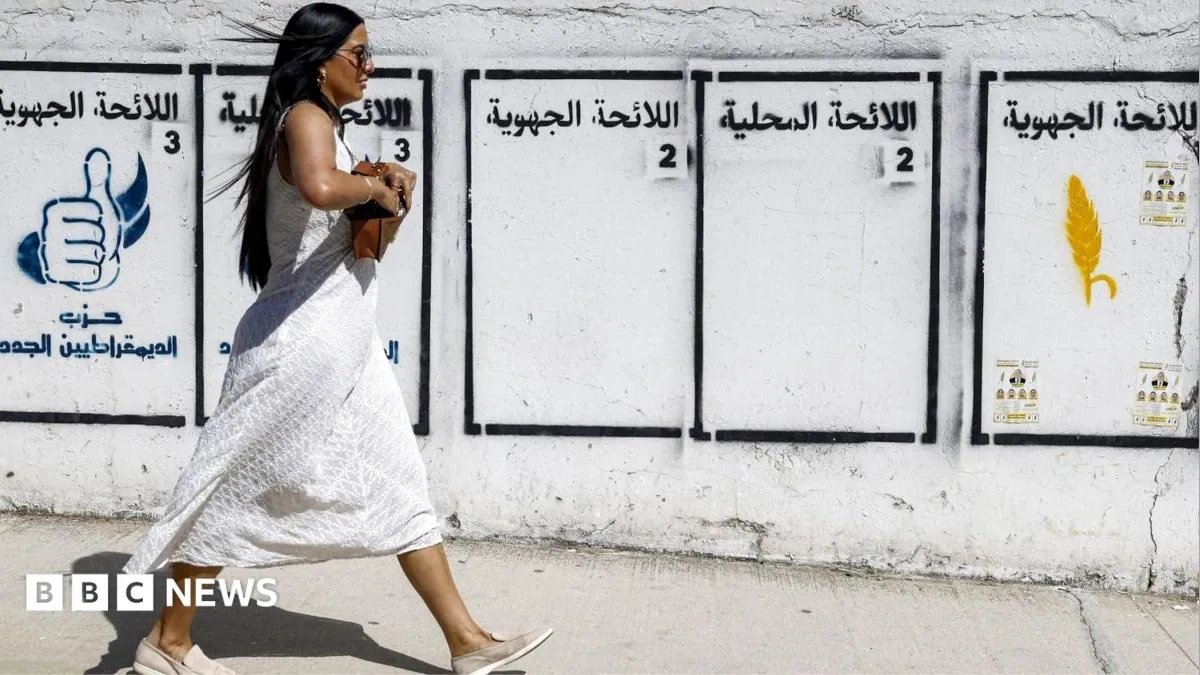
As Morocco prepares for its parliamentary elections, a palpable sense of disillusionment permeates among the nation’s youth. Many are confronted with a political landscape that feels disconnected from their everyday realities. Campaigns have employed viral football slogans, ambitious promises of one million jobs, and anti-Israel rhetoric to entice young voters. However, for 32-year-old environmental activist Siham Azeroual, the upcoming elections offer little hope. "I have no hope for this election. I'm ashamed of our political scene. It's a complete circus," she expressed, highlighting the broader sentiment of frustration among her peers.
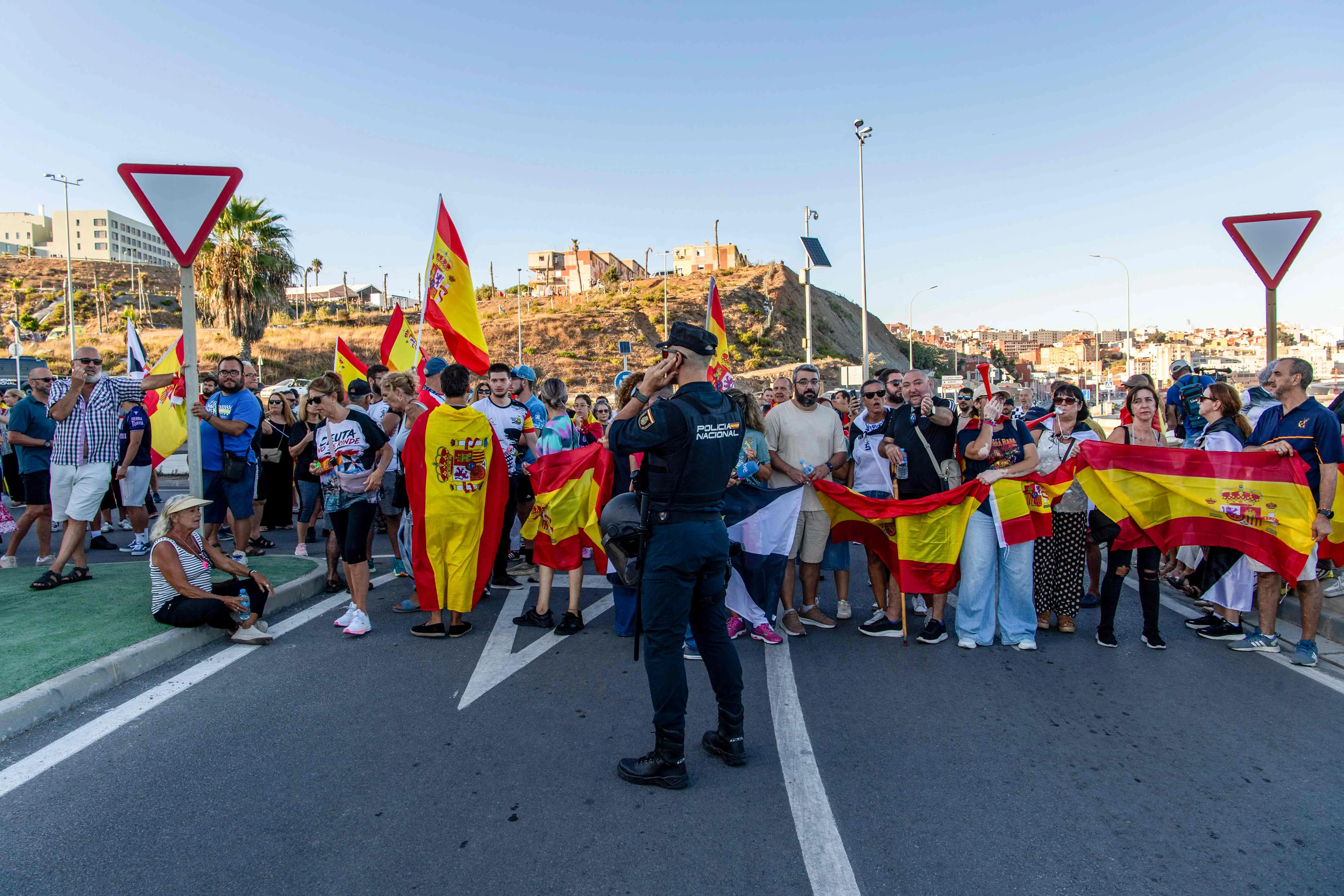
This election comes on the heels of a significant migration crisis, where over 60,000 individuals risked their lives to cross from Morocco to the Spanish enclave of Ceuta, illustrating the desperation felt by many young Moroccans in search of opportunities. Morocco's political framework operates under a constitutional monarchy, with 395 seats in the House of Representatives up for contest. Yet the overarching executive power remains closely tied to the monarchy, as King Mohammed VI appoints the prime minister and oversees the Council of Ministers, which is the principal policymaking body.
Emerging Political Voices and Activism
The current election cycle also follows a wave of protests in September 2025, primarily fueled by the frustrations of Gen Z regarding unemployment, healthcare, and the rising cost of living. These protests saw demonstrators chanting slogans demanding "freedom, dignity, and social justice," culminating in calls for the resignation of Prime Minister Aziz Akhannouch. The crackdown on these movements led to the prosecution of over 2,400 individuals, yet it has not deterred some young activists from entering the political fray. Hamza El Kharroubi, a 29-year-old briefly detained during the protests, is now a candidate for parliament with the Environment and Sustainable Development Party, which is seeking to amplify the voices of younger generations in political discourse.
El Kharroubi's candidacy is particularly poignant, as he hails from Tetouan, a city near the beach where many migrants embarked on their perilous journey to Ceuta. He articulates a desire for justice for the families of those who lost their lives during this migration wave, asserting that the economic hardships and high unemployment rates—estimated at 13% overall and a staggering 37.3% among youth—are driving factors for such desperate measures. His goal is not merely to compete with established political figures but to lay the groundwork for a more significant youthful presence in Moroccan politics by 2031.
Amidst the political landscape, Fouzi Lekjaa, the president of the Royal Moroccan Football Federation, has emerged as a pivotal figure. Having played a substantial role in elevating Morocco's national football team to international prominence, he has entered politics with the centrist Party of Authenticity and Modernity (Pam), promising improvements in education and healthcare to match the football team’s success. However, critics remain skeptical, with political analyst Rachid Aourraz suggesting that promises of job creation and wage increases are merely recycled slogans that fail to address the underlying structural issues within the economy.
Simultaneously, the Islamist Justice and Development Party (PJD) strives for a political resurgence, leveraging anti-Israeli sentiments to gain traction among voters. Led by former Prime Minister Abdelilah Benkirane, the party is advocating for the severance of ties with Israel, arguing that previous normalization efforts were a mistake. Despite the significant public outcry regarding Israel, recent developments indicate that Morocco and Israel agreed to establish full embassies in each other’s countries following diplomatic engagements.
The demographic reality of Morocco reveals that more than half of its population is under 35 years old, yet a minuscule percentage of registered voters are between the ages of 18 and 24. Many young Moroccans, like Hiba, who now resides in Canada, express disappointment over the political landscape, citing a lack of fresh faces and innovative ideas. While she acknowledges the impact of Gen Z protests, she also recognizes the necessity for grassroots community-building initiatives rather than solely pursuing political office. Despite skepticism about the current political campaigns, Azeroual confirms her intention to participate in the elections, underscoring the importance of engaging in the democratic process.
As reported by bbc.co.uk.