
Empowering the Next Generation: Young Candidates in Morocco
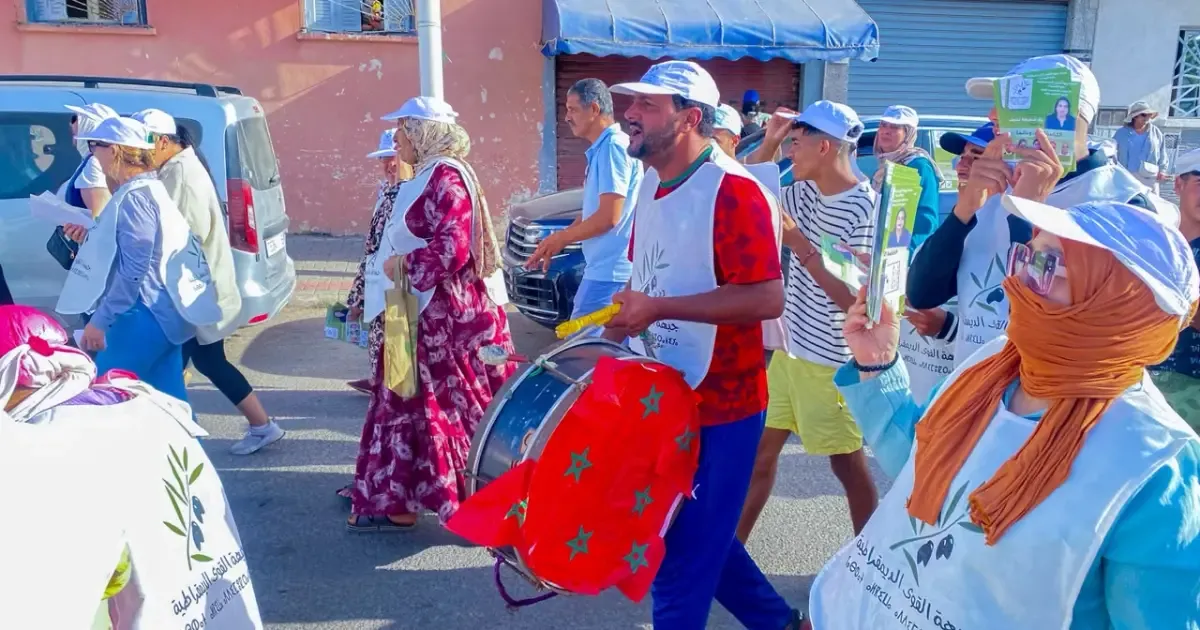
In a significant shift towards political engagement, young candidates in Morocco are striving to transform widespread youth frustration into meaningful participation in the upcoming parliamentary elections. Among them is Hamza El Kharroubi, a 28-year-old environmental entrepreneur, who, just a year ago, was actively protesting in the streets. Now, he is running for a parliamentary seat in Tetouan, hoping to inspire a wave of young Moroccans to join him in the political arena. El Kharroubi, who founded the Environment and Sustainability Party, believes that recent protests have invigorated youth interest in political parties, leading to what he anticipates will be a remarkable turnout of young voters and campaigners this election cycle. He expressed his optimism by stating, “The previous protests by Gen Z have sparked more youth engagement in political parties. We expect this year to have exceptional participation from youth, both in voting and campaigning.”
The Call for Change: Protests and Political Disengagement
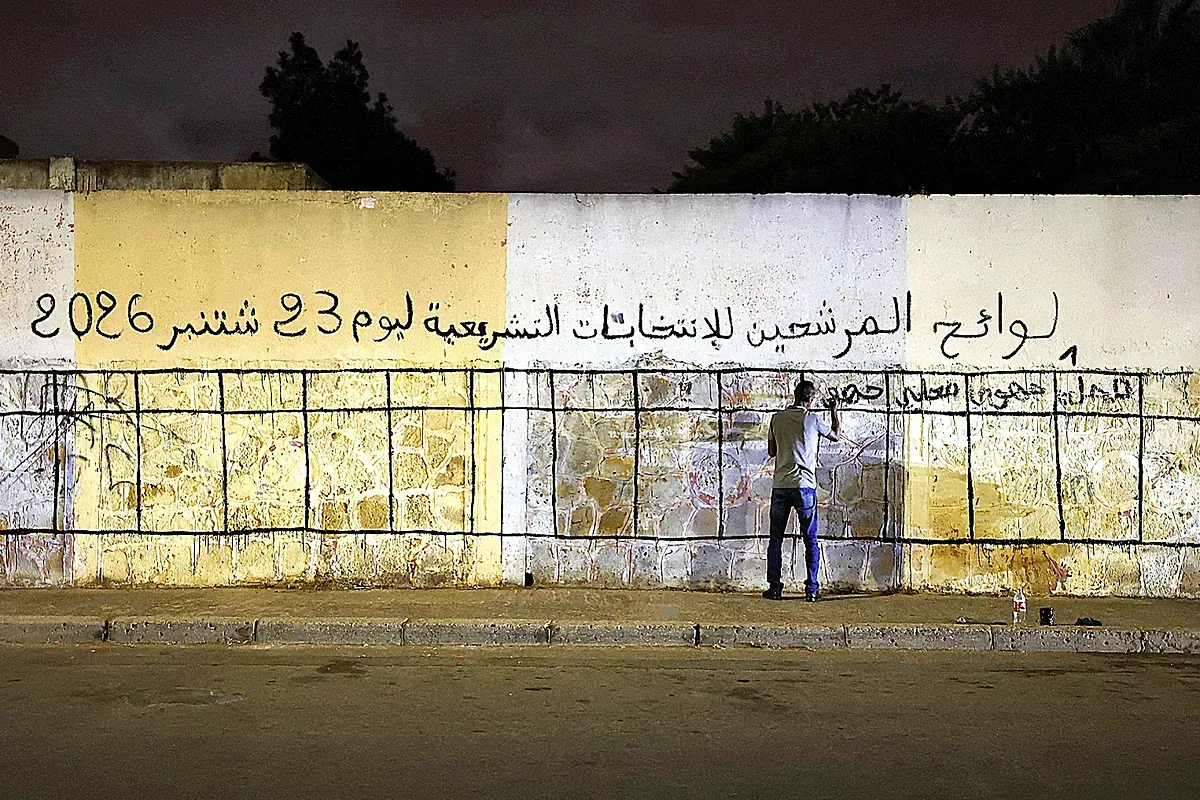
The protests that fueled this political awakening began on September 27, 2025, ignited by widespread dissatisfaction with public healthcare, education, employment opportunities, and living conditions across Morocco. The movement gained momentum following tragic incidents in a public hospital that resulted in the deaths of eight women, highlighting critical flaws in public services. This unrest birthed the GenZ 212 movement, which leveraged social media platforms such as Discord, TikTok, and Instagram to call for reform, including improved healthcare, educational access, job creation, and an end to corruption. Despite the fervor seen in the streets, many young Moroccans remain disenchanted with formal politics, as evidenced by the demographic breakdown of the electorate for the upcoming September 23 election. With over 15.8 million registered voters, only about four percent belong to the 18-24 age group, while older voters dominate the electorate, revealing a stark generational divide in political engagement.
Az-el Arab Hilmi, a 32-year-old member of the Federation of the Democratic Left (FGD), emphasizes that the youth are demanding more than just traditional political rhetoric; they seek tangible outcomes that affect their daily lives, such as equitable access to quality education, dignified healthcare, and genuine job prospects. He insists that political parties must not wait for election cycles to address these pressing issues but should engage young people in meaningful ways throughout the entire political process. Hilmi reflects on his own political journey, which began in 2016, when he was inspired by the straightforward and accountable communication style of a former parliamentary candidate. This experience taught him the importance of accessible political discourse and the need for accountability in governance.
As the election approaches, the challenges for the youth of Morocco are evident. The high unemployment rate, especially among those aged 15 to 24, sits at a staggering 37.2 percent, underscoring the urgent need for effective policy intervention. Young voters are urged to critically assess the promises made by political parties within the context of Morocco’s complex political framework, where the monarchy plays a significant role alongside elected representatives. Hilmi advocates for a relationship grounded in transparency and responsibility between citizens and their leaders, asserting that voting should initiate a dialogue that allows for ongoing scrutiny, questions, and demands for accountability. He captures the essence of this sentiment succinctly: “The election is not a blank cheque.”
As reported by aljazeera.com.