
Moroccans Head to the Polls Amidst Economic Struggles
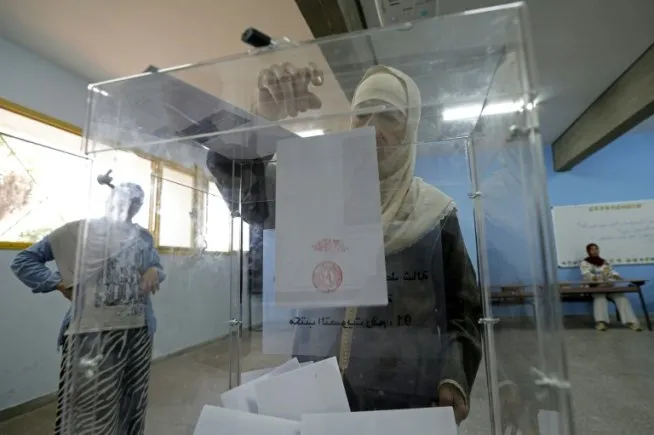
On Wednesday, millions of Moroccans are exercising their democratic right to vote in legislative elections that are heavily influenced by pressing concerns regarding purchasing power, employment opportunities, and social inequalities. This electoral event is taking place within a climate of skepticism towards political parties, a sentiment echoed across the nation. Almost 16 million citizens from a population of 36 million are called to cast their votes to elect the 395 members of the House of Representatives. The turnout rate, particularly among the youth, is being closely monitored, with the Ministry of the Interior reporting a national participation rate of 11.34% by noon.
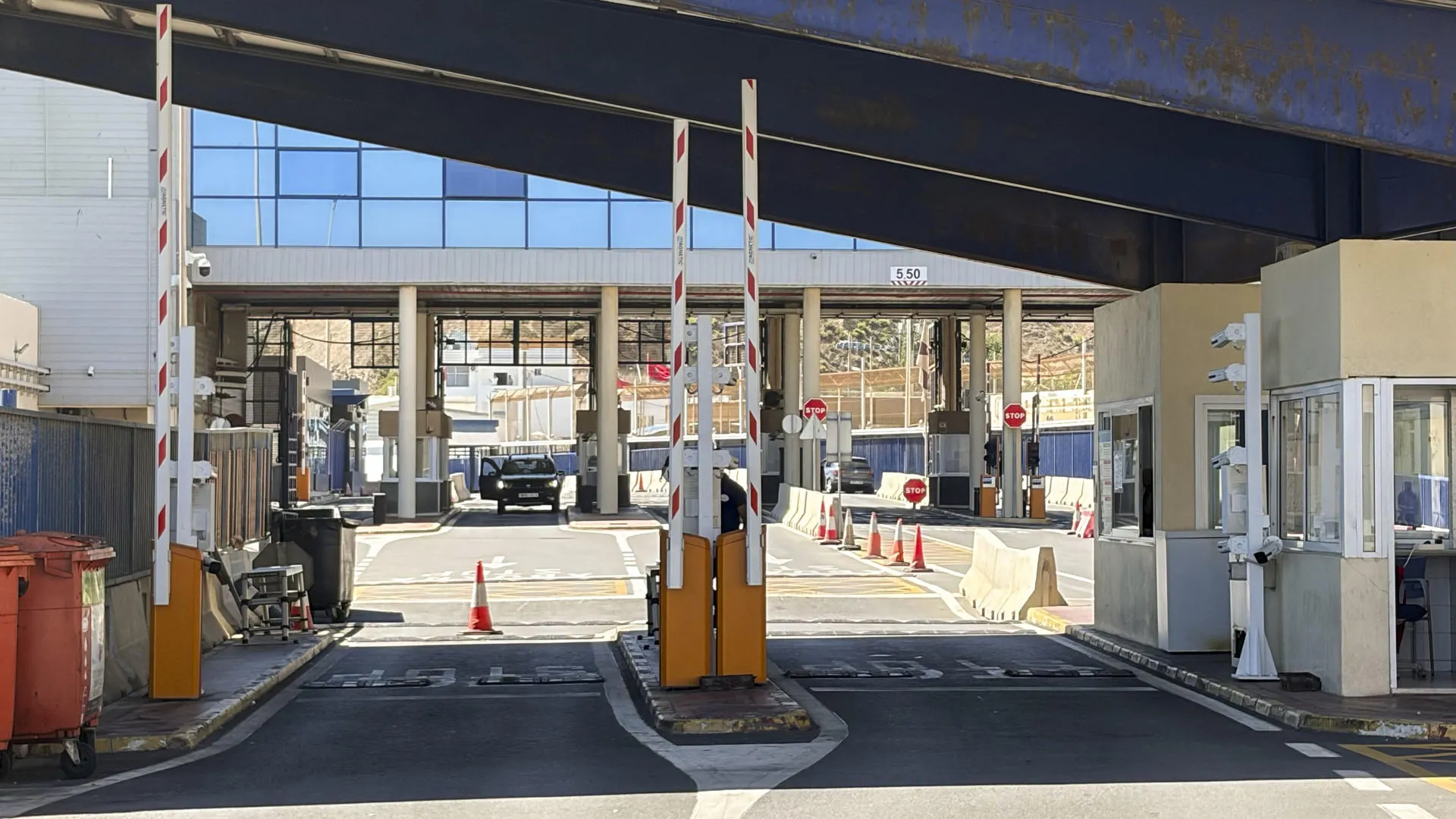
Rising unemployment, soaring prices, pervasive inequalities, and a crisis of confidence in the political class are central issues in this election, especially relevant given the recent mass migration of young Moroccans to the Spanish enclave of Ceuta. This migration has underscored the social malaise and lack of prospects faced by many youths, even as the country experiences sustained economic growth. The disillusionment with political promises extends beyond the youth demographic, affecting various age groups. Majda Bakatir, a 59-year-old resident of Rabat, expressed her discontent, stating, "I will not vote because I have lost all trust in the political class. We want our country to progress, but politicians do not seem to care about our issues regarding health, education, and purchasing power." In contrast, 55-year-old Karim Ennaciri, encountered at a polling station, believes that this electoral process could signal a renewal within political parties.
Political Landscape and Future Implications
The preliminary election results are expected to be announced later in the evening, with polling stations open from 8:00 AM to 7:00 PM GMT. The new head of government will emerge from the party that secures a majority in the legislative elections. Appointed by King Mohammed VI, this leader will be tasked with forming a government for a five-year term, although key strategic sector policies remain under the monarch's purview. Without the benefit of opinion polls, which are banned by electoral law, the media and observers are predicting that the National Rally of Independents (RNI), which currently heads the governing coalition, is among the favorites. Despite stepping down from leadership, the party’s head, Aziz Akhannouch, has led the campaign, highlighting the reforms in education and health, and salary increases, asserting that they have been responsive to the needs of Moroccans.
However, Akhannouch has faced scrutiny over alleged conflicts of interest linked to his company, Afriquia, a leader in hydrocarbon distribution in Morocco. The other prominent political contender, the Authenticity and Modernity Party (PAM), has garnered attention by uniting with a popular figure, Budget Minister Fouzi Lekjaa, known for his role in Moroccan football. During the campaign, Lekjaa emphasized the party's ambition to empower youth, aiming to transform them into a valuable asset rather than leaving them marginalized. While the PAM lacks a clear standout leader, Fatima Ezzahra Mansouri, the Minister of Land Use Planning and Mayor of Marrakech, is considered a potential first female head of government should her party succeed. Nevertheless, PAM has faced challenges, including corruption scandals that have led to prison sentences for some of its prominent members.
The historical Istiqlal party, led by Nizar Baraka, who currently serves as Minister of Equipment, is also vying for a chance with a focus on addressing the social issues plaguing the nation. Meanwhile, the opposition party, Justice and Development Party (PJD), which espouses an Islamic agenda, aims to represent a break from the past by committing to combat corruption. As Morocco stands at a crossroads, the outcomes of these elections could shape the future trajectory of the nation amidst a backdrop of economic challenges and a politically disenchanted populace.
As reported by actu.orange.fr.