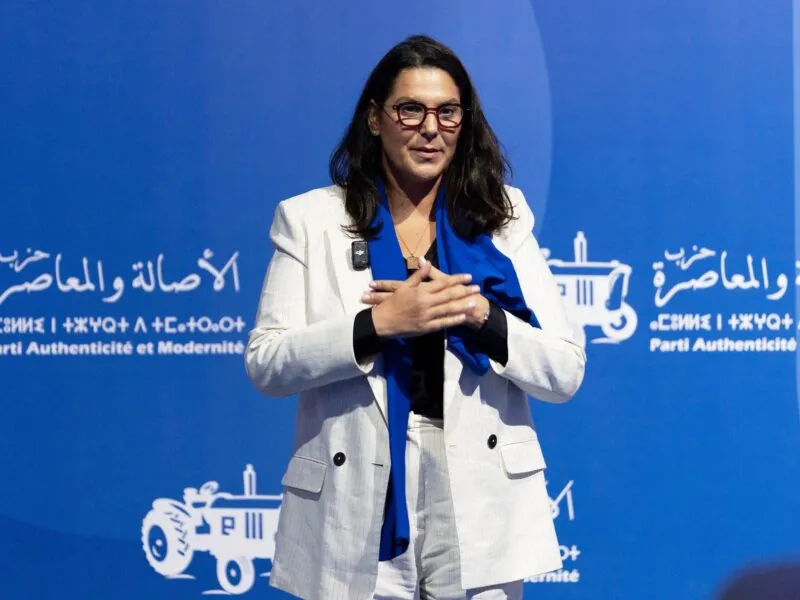

In the midst of Morocco's legislative elections, a critical analysis of the North African nation's political and military landscape has emerged. Ángel Expósito, alongside Ramón Cuerda, a former military officer and security expert, delves into the implications of Morocco's significant military rearmament and its strategic objectives within a shifting global geopolitical framework. The discussion highlights how Morocco's military spending has notably increased, doubling since 2010, largely fueled by partnerships with prominent international suppliers. Notably, the United States accounts for approximately 60% of Morocco's military acquisitions, followed by Israel, which has risen to prominence as the second-largest arms supplier over the past six years, and France, which holds the third position.
During the dialogue, Cuerda emphasizes that the current military rearmament strategy has been significantly shaped by American and Israeli influences across three distinct levels. The first level focuses on consolidating control over Western Sahara, where Morocco has effectively countered the guerrilla tactics of the Polisario Front through the deployment of cutting-edge combat drones. The second level pertains to deterrence against Algeria, employing a doctrine of smart power that leverages American technology to escalate the costs of any potential territorial conflict arising from aspirations over the western regions of Algeria.
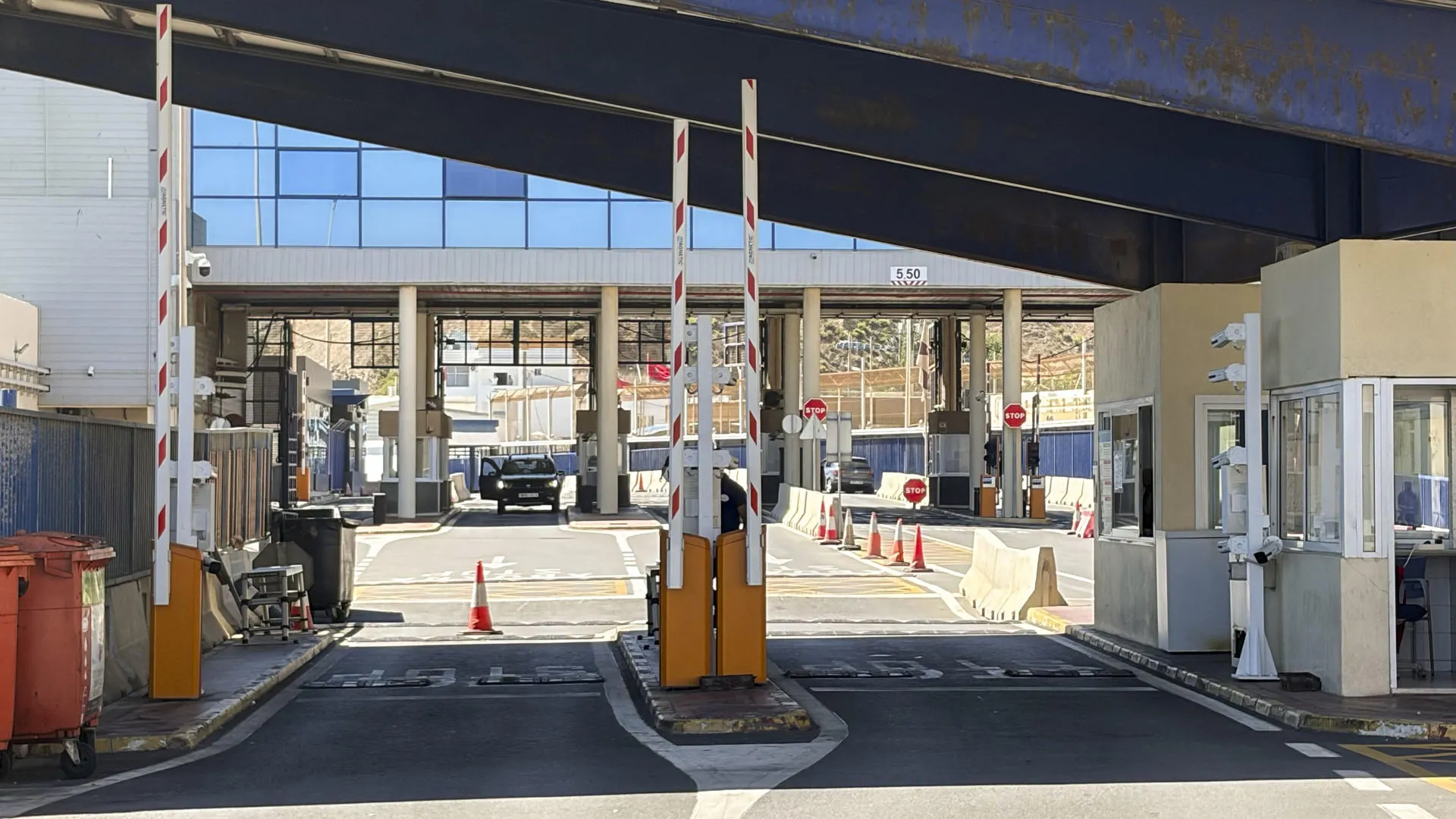
In scenarios of hybrid warfare, Cuerda warns that should Morocco occupy Ceuta or Melilla, it aims to create a situation where Spain would be unable to respond militarily due to space denial, leading to significant casualties. This strategic positioning is underscored by the presence of military personnel in the autonomous city of Ceuta, coinciding with the timing of the Moroccan elections. The third level of Morocco's military strategy directly impacts Spain, focusing on a regional hegemony in the Atlantic and a denial of space approach. Cuerda clarifies that rather than preparing for a conventional direct aggression, Morocco's strategy involves a blockade, which could significantly hinder Spain's military response capabilities.
To enhance its deterrent capabilities without clashing with Washington's diplomatic stipulations, Morocco is diversifying its defense suppliers. Cuerda points out that while American military equipment such as F-16 fighter jets and Abrams tanks receive a ten-year financing plan for deployment along the Algerian border, the U.S. restricts the use of its weapons among allies. Consequently, Morocco is procuring Chinese and Israeli materials for space denial strategies against Spain, as these suppliers do not have similar restrictions.
This military alliance has been further reinforced by the signing of the Abraham Accords with Israel, within a global context where various nations are promoting territorial reaffirmation projects. Cuerda contextualizes this within the doctrine of Greater Morocco, which is supported by Article 42 of the Moroccan Constitution, where the monarch is portrayed as the guarantor of purported authentic borders that extend over Western Sahara, Mauritania, parts of Mali, western Algeria, and the autonomous cities of Ceuta and Melilla. This aspect of the discussion also connects to Expósito's examination of Moroccan claims over Ceuta and Melilla.
In confronting Western perceptions, Cuerda underscores the necessity to grasp the internal structure of Morocco, urging Europeans to abandon the notion of Morocco as a 'normal' nation and instead view it as a feudal monarchy. He highlights that the power elite of the Majzén controls 40% of the GDP and reflects on historical episodes such as the repression in the Rif, the conflicts during the Sands War, and the Green March following the ruling of the Hague Tribunal.
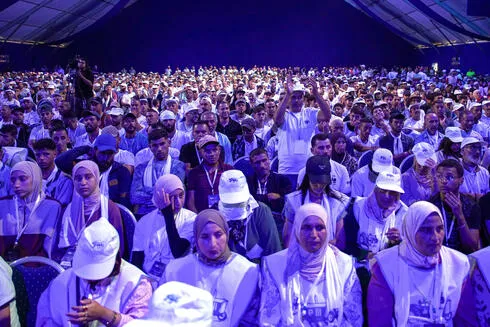
The analysis culminates with a focus on the legislative elections and the intricate social fabric of Morocco, coinciding with youth disaffection and border tensions. Candidates often negotiate votes with tribal entities, reflecting the complex dynamics at play. In conclusion, both Expósito and Cuerda agree that the future of the region will necessitate ongoing vigilance regarding Rabat's diplomatic and military maneuvers.
As reported by cope.es.