
Election Day in Morocco: A Test of Youth Engagement
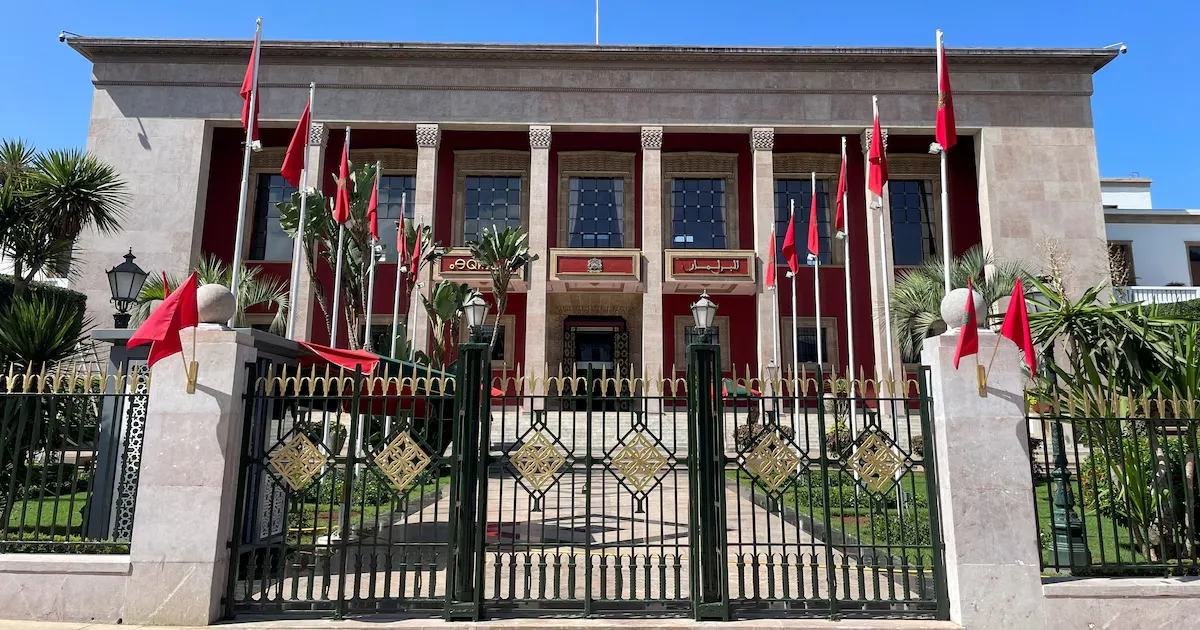
On September 23, 2026, Moroccans are casting their votes in legislative elections that are expected to maintain the status quo in the political landscape, amidst significant economic challenges and rising disillusionment among the youth. In a nation where the king wields substantial authority over political direction, defense, and foreign affairs, the new Parliament faces pressure to address the grievances of a youth demographic that was notably active during the major protests of 2025. These protests highlighted issues such as corruption and the deterioration of public services, as well as an alarming surge of Moroccans migrating towards the Spanish enclave of Ceuta in July.
The current government, formed by a coalition of three parties, two of which were established by individuals with royal ties—the National Rally of Independents (RNI) and the Authenticity and Modernity Party (PAM)—has placed youth employment at the forefront of their campaign promises, vowing to create approximately one million jobs over the next legislative term.
Youth Unemployment and the Quest for Change
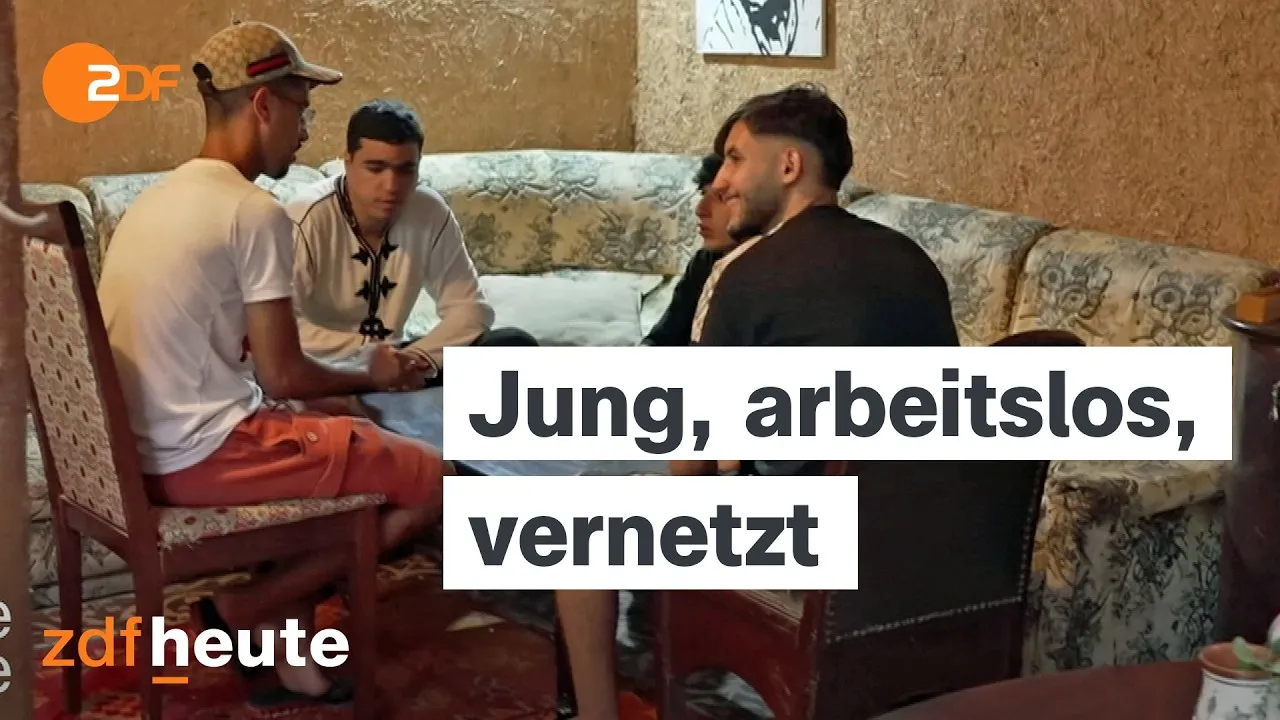
This coalition came to power in 2021 after displacing a moderate Islamist party that had governed for a decade following the Arab Spring protests of 2011. Though these protests initially led to the king delegating more powers to Parliament, subsequent actions by Mohammed VI reaffirmed royal control over several critical areas, including foreign affairs and the Ministry of the Interior. The youth unemployment rate in Morocco is alarmingly high, hovering around 27%, the most elevated among all age groups. Official statistics reveal that one in three Moroccan youths are neither employed, studying, nor in training.
Political parties have strategically utilized social media during this campaign, broadcasting their rallies live to engage younger voters. They have notably highlighted an anticipated $20 billion investment in infrastructure to prepare for the 2030 FIFA World Cup, which Morocco will co-host with Spain and Portugal. The next government’s responsibilities will include overseeing the final stages of this ambitious project.
According to the 2011 Constitution, the king appoints the Prime Minister from the party that secures the largest share of the 395 parliamentary seats. This individual then negotiates coalition formation before presenting the cabinet to the king for approval. Preliminary election results are typically announced the day after the voting, with particular attention given to voter turnout, especially among young people, as it serves as a critical indicator of civic engagement and trust in governmental institutions. Approximately 27 million Moroccans are eligible to vote, but only about 15.8 million are registered, reflecting a nearly 12% decrease from 2021.
A recent survey by Afrobarometer, a non-profit research organization, indicates that only one-third of Moroccans aged 18 to 35 express confidence in the Parliament, the Prime Minister, or political parties. This age group is particularly discouraged by elections that they believe merely shuffle power among parties with similar ideological stances, failing to bring about any significant political changes.
As reported by lexpress.fr.