
Disillusionment Among Youth in Morocco
In Morocco, a significant number of young individuals are choosing to abstain from participating in the elections, primarily due to a pervasive sense of hopelessness regarding their future in the country. Many of these youths dream of a better life, often envisioning it in Europe rather than their homeland. The prevailing sentiments of unemployment, soaring living costs, and a lack of political representation have created an atmosphere of frustration as the parliamentary elections approach. Social media has become a crucial platform for this younger generation, serving as both a means of communication and a tool for mobilization against the challenges they face.
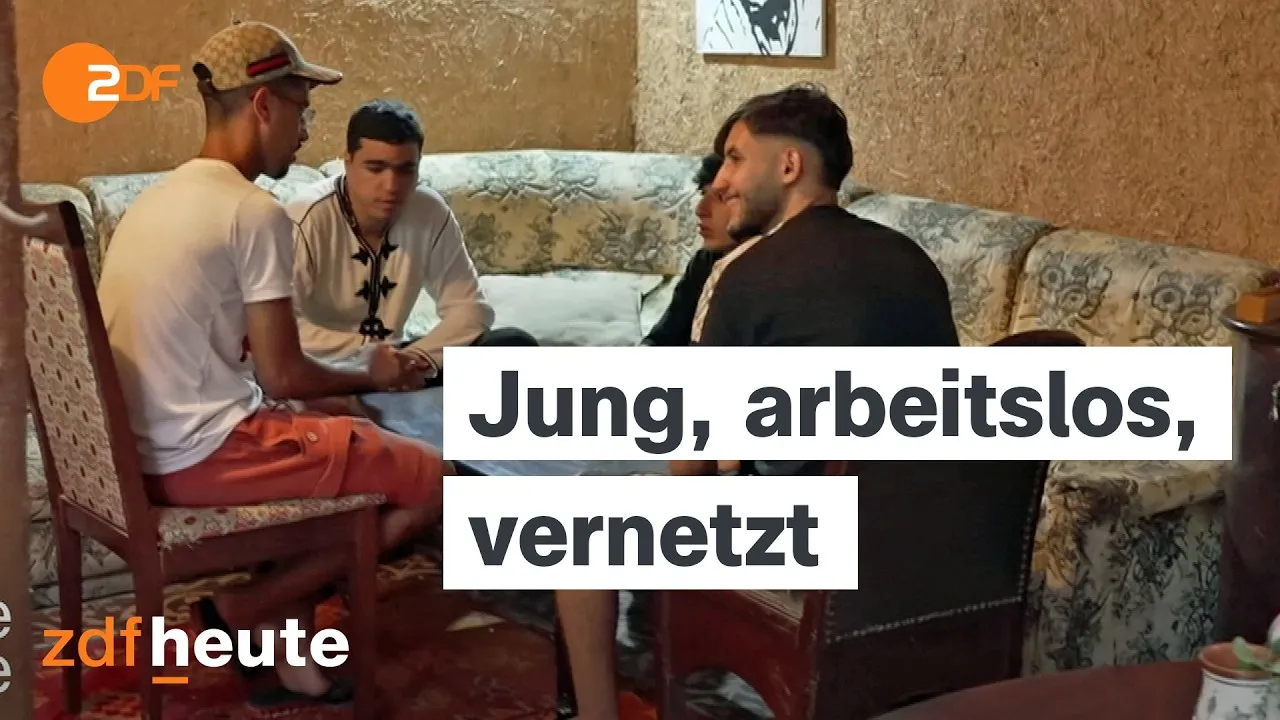
A short drive south of Agadir reveals a stark contrast to the coastal city's charm. In the neglected suburb of Ait Melloul, piles of garbage shadow the streets, while street vendors set up makeshift stalls to sell fruits. Zakaria, a 25-year-old, operates a small boutique where he sells traditional clothing and Western knockoffs. With a monthly salary of approximately 300 to 400 euros, he struggles to make ends meet. He shares his aspirations candidly, stating, "I try to save as much money as possible to eventually emigrate." Zakaria plans to apply for a visa, having been unable to find suitable employment in the Agadir region after earning his law degree. He expresses a willingness to resort to irregular means of migration if necessary, highlighting the desperate circumstances many young Moroccans face.
The situation is dire, with thousands of young Moroccans seeing no future for themselves in a country marked by high youth unemployment and a dwindling purchasing power, while the minimum wage hovers around 300 euros. Their trust in political leaders to enhance their lives has eroded, especially in light of government promises to create one million new jobs and raise the minimum wage to 500 euros, none of which have materialized.
Political Apathy and Social Mobilization
Marouan Blaiha, a political scientist at the University of Agadir, predicts low voter turnout, particularly among the youth. However, equating this lack of participation with apathy would be misleading. The younger generation is actively organizing in chat groups, discussing grievances related to education and healthcare, and has demonstrated its mobilization capabilities during nationwide protests in the fall of 2025. Yet, as the next parliamentary elections draw near, the streets remain quiet. The state has cracked down on dissent, with several hundred young protestors from the previous year still imprisoned, according to Moroccan human rights organizations.
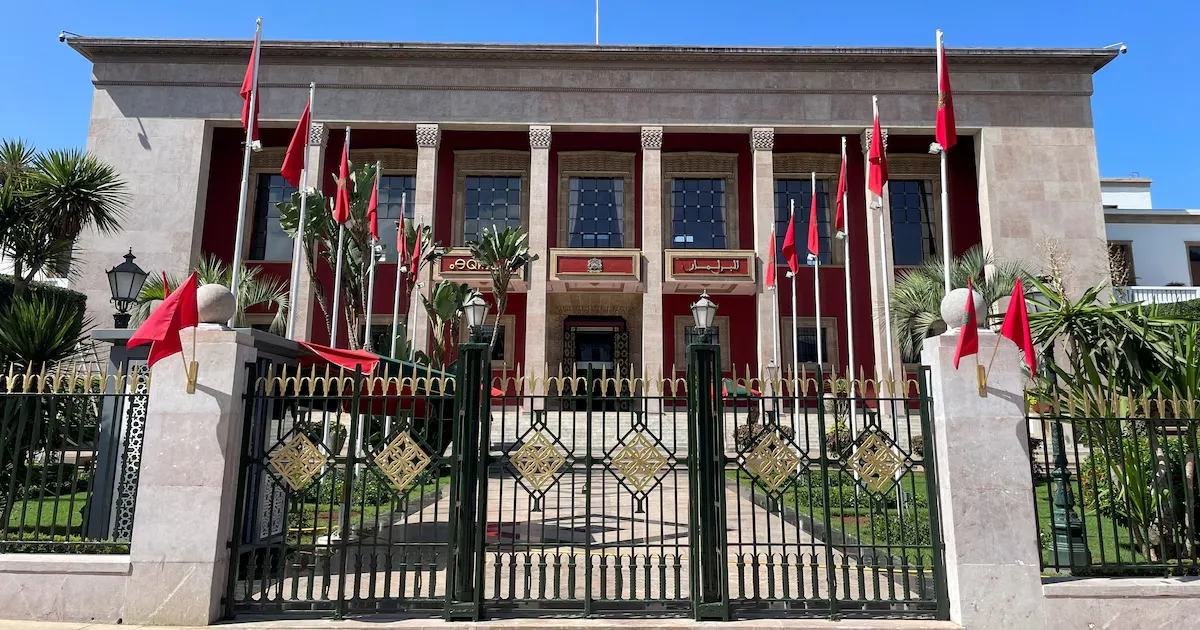
As Morocco hosts the Africa Cup, Generation Z is protesting against high-profile projects while demanding improvements in education. Recent events have seen members of an opposition party, permitted to participate in the elections, arrested for calling for a boycott. The current ruling parties, closely aligned with the powerful King Mohammed VI, are likely to maintain their grip on power by investing in infrastructure like roads, stadiums, and airport terminals, all while the economic growth largely bypasses the general populace.
In Tiznit, a region facing economic difficulties, Mohamed and Hamza, who are preparing to take their high school exams next year, are already contemplating applying for study visas to Europe or China. Mohamed firmly states, "I wouldn't go to Ceuta; you can't study or do anything there without papers and a visa." Like many of their peers, they envision their futures far from home, underlining the urgent need for change and opportunity within Morocco.
As reported by zdfheute.de.