
Moroccans Vote for New Parliament Amidst Youth Protests and Migration Challenges
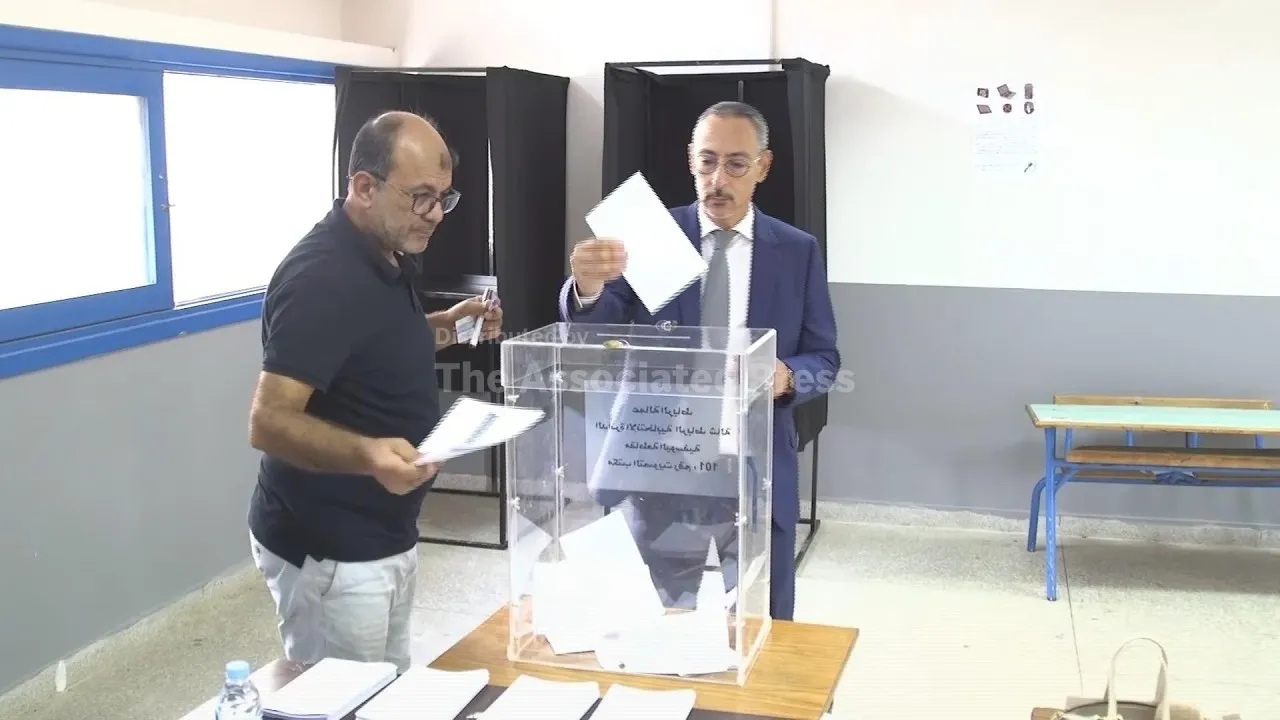
On September 23, 2026, Morocco witnessed a significant moment in its political landscape as citizens headed to the polls to elect a new parliament. This election marks the first since a series of deadly protests led by the younger generation and a crisis surrounding migration attempts across the northern border into Spain's Ceuta enclave. Approximately 16 million registered voters are eligible to cast their votes to fill the 395 seats in the House of Representatives. The context of this election is shaped by increasing frustration among the youth, high rates of unemployment, and urgent calls for improved public services, including education, healthcare, and housing.
The atmosphere in polling stations was notably subdued, reflecting a growing skepticism among young Moroccans regarding the impact of political participation on their everyday lives. Voters expressed diverse sentiments outside polling stations, with some indicating they would submit empty ballots as a form of protest, while others held out hope that their votes could lead to meaningful change. This sentiment is particularly poignant in the wake of the Ceuta crisis from the previous July, where thousands of individuals attempted to breach the border to seek better opportunities, highlighting the urgent socio-economic challenges that the new government will face.
As Morocco prepares to co-host the FIFA 2030 World Cup, the incoming government will be tasked with overseeing significant investments in infrastructure, which are expected to total billions of dollars. This crucial investment period has led some to label this transitional government as the "World Cup government," tasked with navigating not only the logistical demands of the event but also the social and economic expectations of its citizens.
The Moroccan Constitution stipulates that the king appoints the head of government from the party that secures the most seats. With no single party anticipated to secure an outright majority, coalition negotiations will be essential in forming a stable government capable of addressing the pressing needs of the population. As the results of this pivotal election are anticipated to be announced shortly, the focus remains on how the new leadership will respond to the aspirations of a restless youth population seeking change and opportunity.
As reported by youtube.com.