
Morocco's Rising Status as a Global Film Destination
Following the announcement by American director Christopher Nolan that Morocco will serve as a filming location for his upcoming film "The Odyssey", the significance of Moroccan cities in global cinema has once again taken center stage. This is not the first time that Moroccan landscapes have been chosen for international film productions; over the decades, the country has hosted numerous cinematic endeavors, proving its diverse and captivating environments to be ideal for creating visually stunning worlds. Notable films like "Babel", "Gladiator", "Mission Impossible", and "The Mummy" have all leveraged Morocco’s rich scenery, further embedding the country's presence in the global cinematic memory.
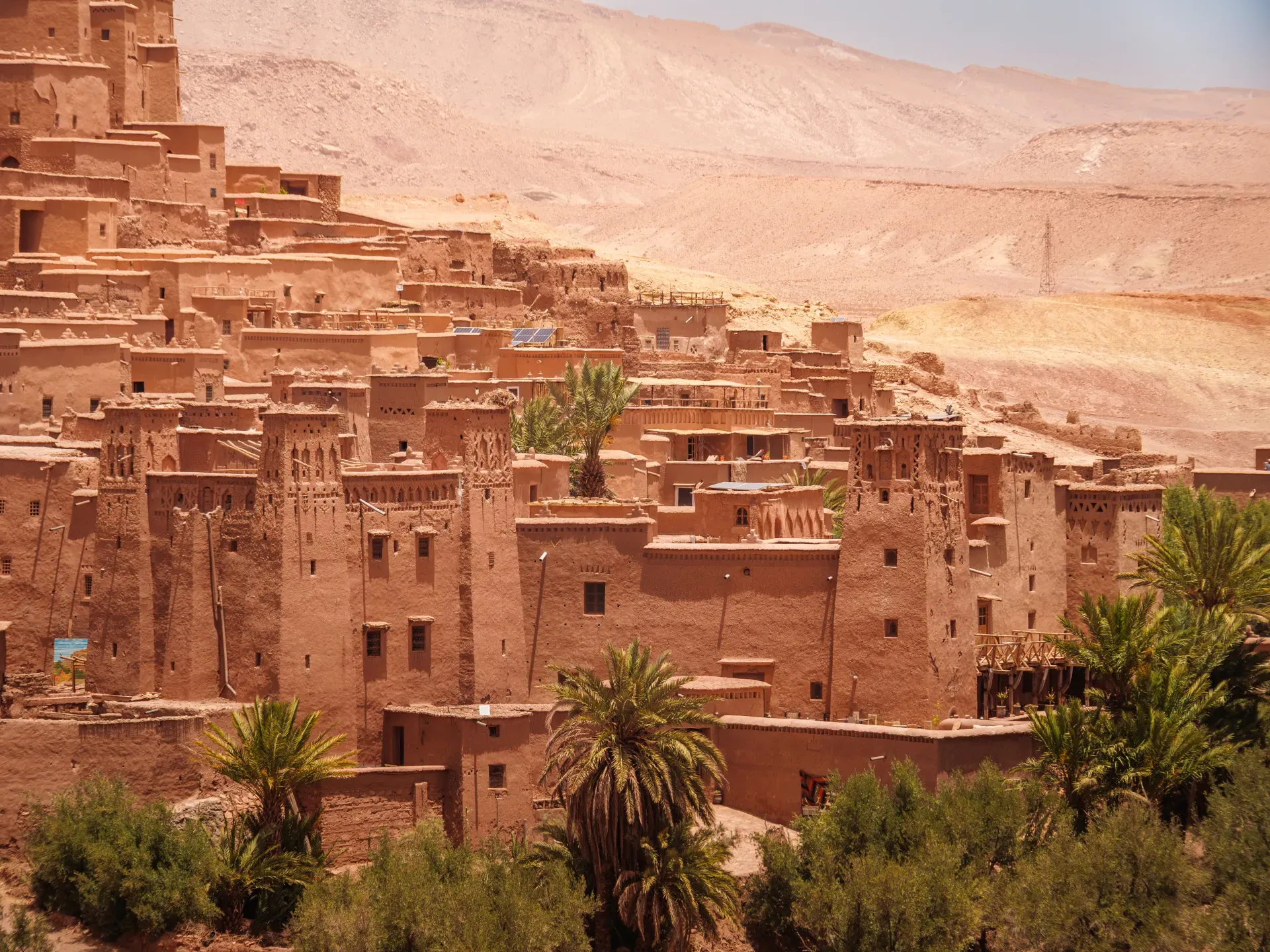
This geographical and visual diversity has solidified Morocco's reputation as a premier destination for international film productions. Directors find in Morocco a unique capacity to accommodate various narratives within a single geographical location. With its plains, hills, kasbahs, bridges, cities, beaches, and deserts, Morocco offers a wide array of environments that can be utilized in the construction of cinematic spaces and the shaping of visual narratives.
Administrative Facilitation and Tax Incentives
In addition to its diverse locations and available infrastructure, Morocco provides an array of administrative and financial incentives aimed at attracting foreign film productions. These include streamlined procedures for obtaining filming permits and access to local sites and services. Among these incentives is a system that allows for the reimbursement of a portion of the qualifying expenses incurred by foreign productions within the country, alongside facilitating the temporary import of filming equipment, and the utilization of studios, technical crews, and production services, particularly in the southern city of Ouarzazate.
Such factors, combined with the diversity of terrains and proximity of locations, contribute to reducing certain production costs and facilitate the filming of scenes set in different environments and eras within a compact geographical area. A notable example of the accommodations made by authorities for foreign productions includes the closure of part of the highway during the filming of the fifth installment of the "Mission Impossible" series in 2014, which lasted for 14 days, from August 30 to September 12, to allow for the shooting of scenes that later appeared in "Mission Impossible: Rogue Nation" upon its release in 2015.
Moreover, as part of the ongoing development of the industry’s infrastructure, the "International City of Film Production" project in Ouarzazate is now underway, covering an area of 10.49 hectares and requiring an investment of approximately 240 million dirhams. This initiative aims to expand the city’s capabilities in filming, production, training, and technical services. According to data from the Moroccan Cinematic Center, a public institution established in 1944 during the French protectorate, foreign productions inject varying amounts into the local economy annually. However, the scale of these investments fluctuates based on the number and nature of the works, necessitating a temporal frame of reference for comparing seasons or ranking films by their expenditures within the country.
Among the most prominent foreign productions filmed in Morocco is "Gladiator", which invested substantial amounts during its shooting period; yet, available data do not conclusively establish it as the highest foreign investment in the industry’s history. With the accumulation of experience and an expansion of production services, Morocco has enhanced its presence on the international filming map, with Ouarzazate particularly becoming synonymous with this industry, often referred to as "Hollywood of Africa".
As reported by aljazeera.net.