
Activists Unite for Political Change in Morocco
In a significant move towards political reform in Morocco, a coalition of human rights activists, politicians, union members, and civil society representatives has initiated a public campaign demanding the release of political prisoners and those detained for expressing their opinions. This initiative comes as the country approaches its parliamentary elections scheduled for the 23rd of this month, reflecting a growing desire among citizens for a more open political environment and renewed trust in official institutions.
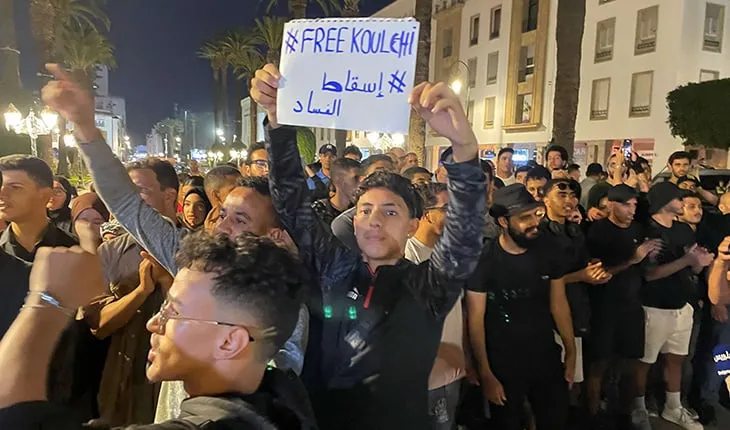
The primary demands articulated in this initiative include the release of individuals detained during the "Hirak Rif" protests, members of the so-called "Generation Z", and other political prisoners. Proponents of the initiative assert that freeing these detainees will provide a crucial boost of confidence within the community, especially in light of the various challenges facing the nation. They argue that the upcoming electoral process necessitates a political thaw that can foster hope for a "Morocco rooted in human dignity and social justice."
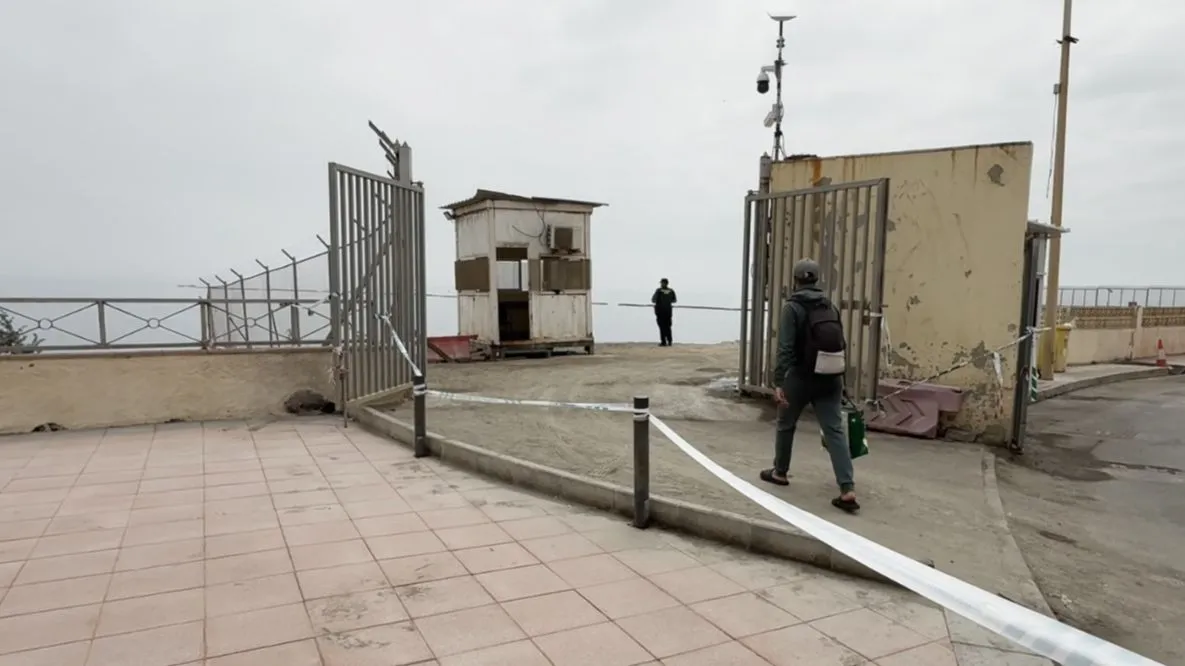
The campaign's call to action highlights the escalating economic, social, and political difficulties Morocco is currently experiencing. These challenges manifest in declining purchasing power, ongoing privatization of social services, and a regression in certain civil liberties and rights. The initiative underscores the alarming trend of mass migration toward the Spanish enclave of Ceuta, driven by the economic and social pressures afflicting large segments of the population. Furthermore, it notes the tumultuous state of the legal profession, which has seen protests from lawyers amidst ongoing governmental negotiations to regulate the sector, revealing a rift between professional groups and state institutions.
As the parliamentary elections approach, the initiative's founders caution that current tensions may adversely affect the political landscape surrounding the elections, particularly in light of national challenges and the sensitive issue of territorial integrity (Western Sahara). They emphasize the necessity of creating political conditions that reduce discontent and ensure a successful electoral process.
The Broader Context of Political Dissent
The initial signatories of this movement include a diverse array of figures from intellectual, academic, human rights, political, and artistic backgrounds, alongside leftist activists and democratic party members. Notably, university professor Latifa Bouhsini expressed on her official Facebook page that "elections hold no meaning in the ongoing context of political detention. The release of political prisoners, both men and women, is the minimum requirement for respect. This issue distinguishes political parties and their electoral platforms, prompting me to launch this initiative."
In parallel, the Moroccan Association for Human Rights has previously called for an end to what it termed a "rights regression" and advocated for increased trust in institutions through the release of all individuals detained for exercising their rights to free expression and peaceful protest. The association insists on halting the expansion of preventive detention and adopting legal alternatives that align more closely with the presumption of innocence, stressing the need to review practices related to the freedom of peaceful assembly in accordance with constitutional protections and international standards.
Over the past few years, Morocco has witnessed profound social and political transformations that have reshaped interactions between citizens and state institutions, creating new dynamics around public demands and modes of expression. One pivotal moment in this context was the "Hirak Rif" movement, which emerged in northern Morocco in the fall of 2016 as a peaceful protest advocating for urgent developmental and social demands. The movement highlighted issues of regional neglect and called for the establishment of hospitals, universities, and job opportunities, ultimately facing severe backlash leading to the detention of several of its leaders and activists.
In addition, the "Generation Z" movement has recently surfaced as a new player that transcends traditional party and union frameworks, leveraging digital platforms to voice concerns about rising living costs, employment opportunities, and educational reform. This young movement has adopted innovative and impactful means of protest. However, it too has faced significant repercussions, with numerous activists arrested for their involvement in both digital and physical protests.
At the forefront of human rights advocacy, the issue of political detainees, including prominent figures such as former human rights minister Mohamed Ziane, known as the "elder of detainees," remains a central focus. Local and international human rights organizations continue to emphasize that the resolution of political and social conditions is fundamentally linked to ending political detention and releasing all individuals arrested for expressing their views or engaging in peaceful protests, marking a critical pathway to restoring trust and establishing the rule of law in Morocco.
As reported by alquds.co.uk.