
Morocco's Commitment to Stability in Guinea-Bissau
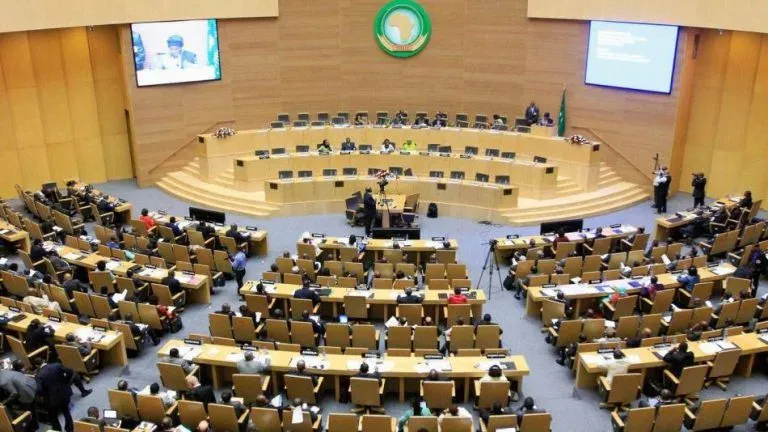
In a significant reaffirmation of its diplomatic stance, Morocco has expressed unwavering support for the stability and national unity of Guinea-Bissau during a recent assembly of the African Union's Peace and Security Council (AU PSC). As Guinea-Bissau navigates a critical phase in its political transition amidst a precarious security landscape, the Moroccan delegation articulated the necessity of fostering a political framework rooted in dialogue. This approach is essential for engaging transitional authorities alongside a diverse array of political and social stakeholders, thereby enhancing trust between governmental institutions and the populace.
The Moroccan representatives underscored that effective communication and transparent consultations are crucial for establishing the foundation of enduring stability within the nation. Such mechanisms are not merely beneficial; they are vital for cultivating a collaborative environment where the interests of the citizens are acknowledged and addressed.
Proposed Reforms and Comprehensive Strategies
Addressing the pressing issues surrounding security, Morocco emphasized the importance of implementing reforms within the security sector that are inclusive of national stakeholders. These reforms must adhere to fundamental governance principles, uphold human dignity, and embrace democratic practices. By fortifying state institutions and enhancing the relationship between citizens and their government, the risks of potential crises can be significantly mitigated.
Moreover, the Moroccan delegation highlighted the dire humanitarian and social circumstances currently faced by the country, characterized by insecurity, population displacement, inadequate infrastructure, and persistent poverty impacting vulnerable groups. They pointed out that shifts in external financial support, particularly from the United States Agency for International Development, could exacerbate existing social tensions, further complicating the situation.
In light of these challenges, Morocco proposed an integrated approach that intertwines security with developmental efforts and social recovery. The emphasis on creating economic opportunities for youth and women, enhancing access to essential services, and bolstering community resilience is viewed as paramount for sustainable progress. Additionally, the delegation advocated for informal dialogues between the Peace and Security Council and Guinea-Bissau's transitional authorities to facilitate ongoing discussions and enhance cooperation.
Furthermore, Morocco called for a cohesive strategy among the Economic Community of West African States, the African Union, and the United Nations to address the challenges facing Guinea-Bissau collectively. It stressed the importance of political actors adhering to constitutional norms and maintaining dialogue as a central tenet of the transition process to safeguard national stability.
As reported by moroccoworldnews.com.