
Morocco's Call for Proactive Peace Strategies in Africa
At the extraordinary summit of the African Union held in Angola on August 29-30, Morocco emphasized the urgent need for a profound transformation in crisis management across the continent. The nation has urged that prevention should become the cornerstone of the continental peace strategy, especially in light of the alarming human and economic costs associated with ongoing instabilities. According to the United Nations Development Programme (UNDP), conflicts drain over $100 billion annually from African economies, underscoring the critical necessity for proactive measures.
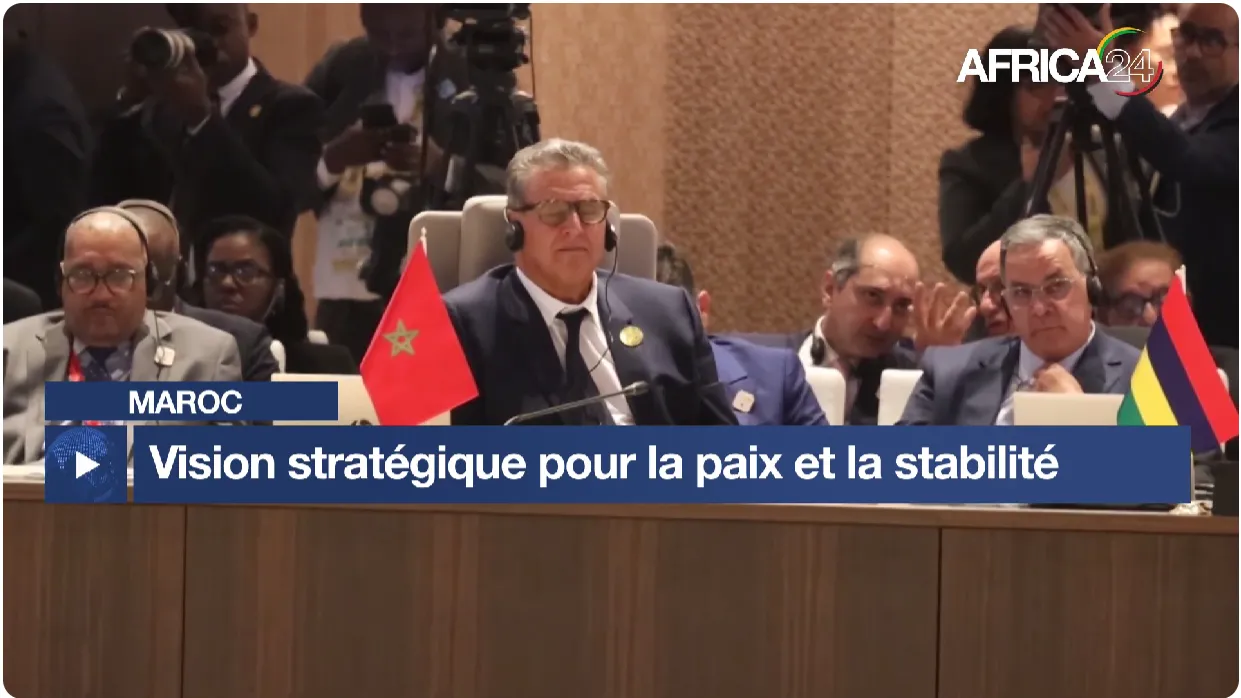
During this pivotal event, which included the 26th extraordinary session of the African Union's Executive Council, Moroccan Prime Minister Aziz Akhannouch represented King Mohammed VI. He reiterated the strategic vision of the Moroccan monarchy for Africa, advocating for proactive mechanisms aimed at achieving peace and stability on the continent. Akhannouch stated, "Our country's position is that there must be constant solutions to all economic, social, security, and stability issues before conflicts arise." This assertion highlights Morocco's commitment to addressing the root causes of instability before they escalate into larger conflicts.
Enhancing Africa's Peace and Security Architecture
In addressing his counterparts at the African Union's Executive Council, Moroccan Foreign Minister Nasser Bourita stressed that sustainable stability cannot be achieved without a sovereign African Peace and Security Architecture (APSA). Currently, this vital mechanism relies on external funding for approximately 80% of its budget, creating a precarious situation amidst crises that directly affect 35 million internally displaced persons. Morocco has called for strengthening the continent's economic and institutional foundations, as it grapples with 400 million Africans living below the poverty line and state failures that hinder regional growth by an estimated 2.6 GDP points annually. Thus, enhancing social resilience is seen as a prerequisite for ending hostilities.
Additionally, Morocco advocates for seamless coordination with international actors, recognizing the significant role that the Francophone African space plays, which alone accounts for 60% of the UN's peace budget. For the Cherifian Kingdom, the Luanda Action Plan is expected to solidify a balanced partnership with the UN, ensuring co-financing of 75% through resolution 2719 while maintaining the African Union's complete autonomy over its budgeting processes. This strategic approach aims to foster collaboration that is essential for achieving lasting peace and stability across Africa.
As reported by africa24tv.com.