
Morocco's Ambitious Tourism Goals for 2030
In the lead-up to the 2026 FIFA World Cup, which is just four years away, it may be challenging for participating teams to set performance goals. However, the Moroccan National Tourism Office (ONMT) is not shy about its ambitions, aiming to attract over 26 million tourists by 2030, an increase from nearly 20 million projected for 2025. Furthermore, the ONMT aspires to expand this vision, eventually reaching the impressive milestone of 40 million visitors in the long run. This ambition is not merely a vision; it is grounded in strategic planning that aims to capitalize on the global spotlight brought by the World Cup, as well as the accompanying modernization of infrastructure typically associated with hosting such a prestigious event.
Transforming Infrastructure and Connectivity
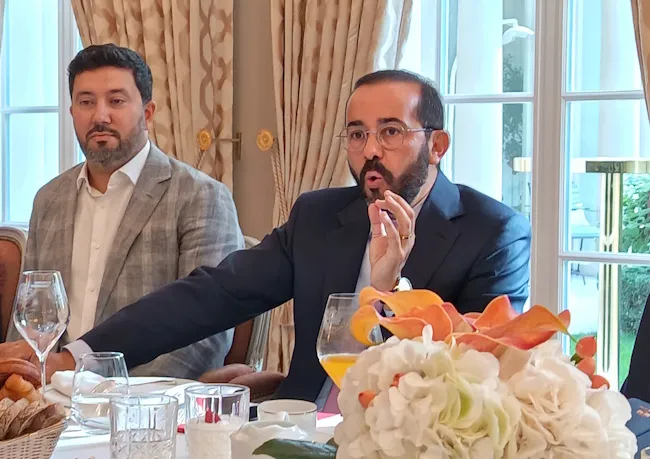
To facilitate this influx of tourists, Moroccan authorities are undertaking significant upgrades to the country’s airports, which are deemed vital for tourism. Achraf Fayda, the Director General of the ONMT, emphasized that the capacity of Moroccan airports will double by 2030. He stated, "We had 32 million passengers in 2024 and expect to reach 36 million in 2025. By 2030, our airports will be capable of accommodating 75 million passengers." In addition to air travel, the rail network is set to undergo a transformation with the extension of the high-speed train line from Tangier to Rabat and Casablanca, reaching Marrakech by 2029. This project will significantly enhance mobility within the country, allowing travelers to journey from Tangier to Marrakech in just two and a half hours.
Moreover, the ONMT is focused on decentralizing tourism development across various regions of Morocco. Fayda pointed out that the growth of the Moroccan tourism destination will depend on the development of all regions rather than just a select few that have historically dominated. This includes expanding connectivity beyond major French airports to include regional hubs like Nantes, Lille, Bordeaux, and Nice, thereby increasing access to tourist hotspots across the country, such as Tangier, Fes, and Dakhla.
In terms of accommodation, Morocco anticipates an increase in hotel capacity from 300,000 to 360,000 beds by 2030. This increase, though modest, is considered sufficient to meet the country's tourism targets. Fayda expressed confidence in Morocco's ability to host 26 million tourists, stating that current occupancy rates are only at 52%, indicating ample room for growth. Furthermore, the diversification of hotel groups investing in Morocco, including major international brands, highlights the country’s appeal as a burgeoning tourist destination.
In the short term, Morocco is targeting the leisure travel market while simultaneously developing projects to attract the MICE (Meetings, Incentives, Conferences, and Exhibitions) segment. Casablanca has traditionally been the center of business travel; however, emerging economic hubs like Tangier and Dakhla are expected to draw more business travelers in the future. The ONMT is also working on establishing Convention Bureaus to enhance MICE infrastructure, although the World Cup may not directly boost Moroccan offerings. Fayda mentioned that there are ongoing discussions about potential new convention centers in Marrakech, Casablanca, and Rabat, emphasizing the need for careful planning rather than premature announcements.
Ultimately, the primary focus remains on ensuring the success of the World Cup. Fayda concluded, "We must succeed in hosting the World Cup; that is our major project. While I cannot guarantee the establishment of a convention center before 2030, the current momentum suggests that our priority must be delivering a remarkable experience for the World Cup."
As reported by voyages-d-affaires.com.