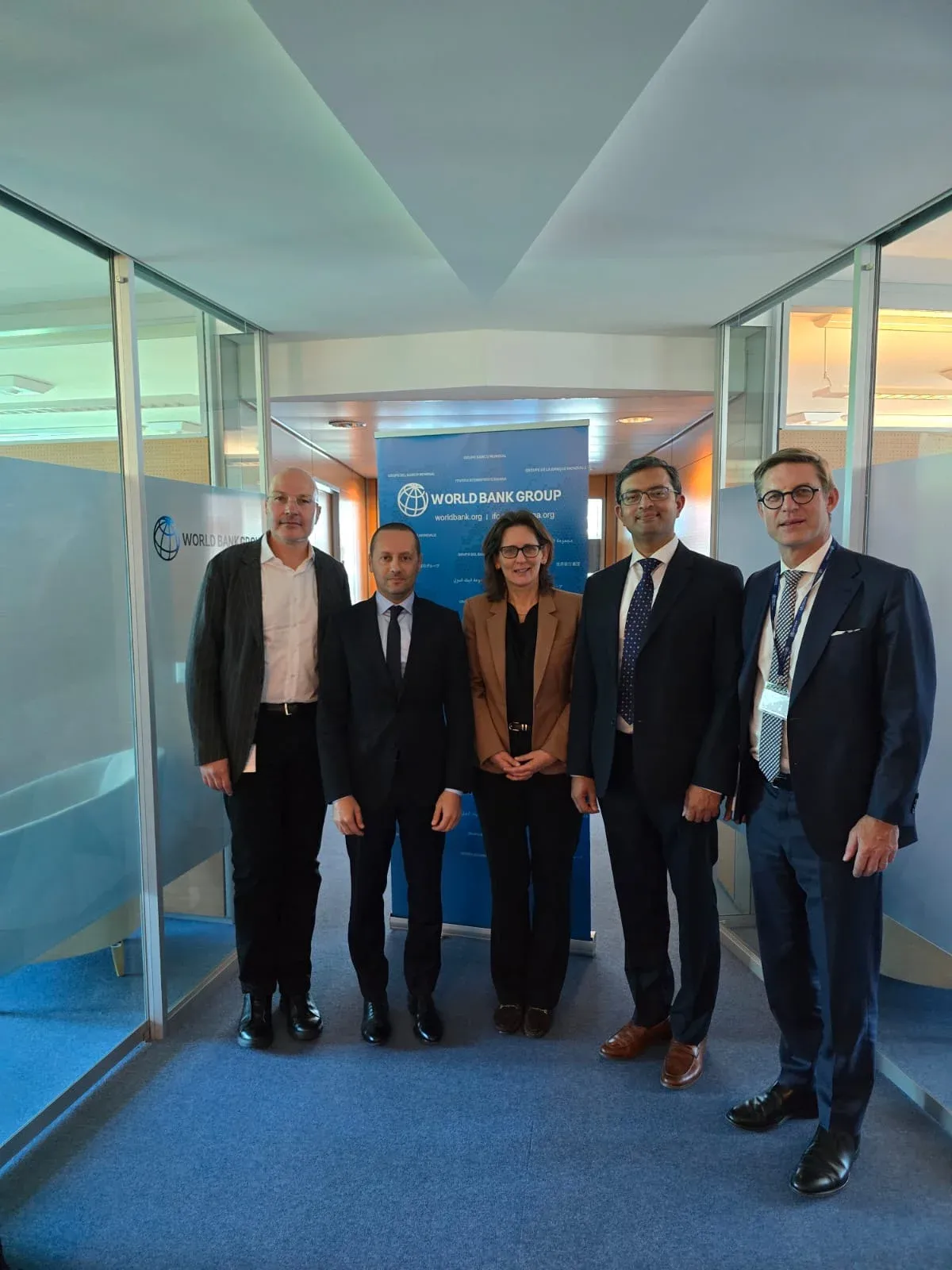

Strengthening Morocco's Pharmaceutical Industry
On Wednesday, Moroccan Health Minister Amine Tehraoui initiated crucial discussions with representatives from the World Bank Group and the Gates Foundation, focusing on the development of a strategic roadmap designed to elevate Morocco as a key regional hub for pharmaceuticals and logistics. This significant meeting took place during the 79th World Health Assembly in Geneva, where the primary aim was to outline strategic orientations and priority areas for cooperation as part of AIM2030—an ambitious initiative spearheaded by the World Bank Group aimed at enhancing access to medicines and boosting medical manufacturing across Africa by the year 2030.
The AIM2030 initiative is poised to transform Morocco into a pivotal continental platform for not only pharmaceutical production but also health-product logistics and regional distribution. This vision aligns seamlessly with the priorities outlined in the Kingdom’s National Health Pact, which underlines the importance of strengthening medical supply chains throughout the African continent.
During the discussions, participants underscored Morocco's significant potential to emerge as a leading regional player in the pharmaceutical sector. This potential is bolstered by a series of reforms introduced under the leadership of King Mohammed VI, the country's advantageous geographic location, and the robust quality of its industrial and logistics infrastructure. Furthermore, ongoing improvements in Morocco's pharmaceutical regulatory framework contribute to creating a conducive environment for the growth of this vital sector.
In pursuit of these ambitious goals, the involved parties committed to continuing technical and institutional consultations to establish effective partnership and cooperation mechanisms surrounding this transformative project. The 79th World Health Assembly, which is taking place in Geneva from May 18 to 23, 2026, serves as a critical platform amid escalating international demands for enhancing health-system resilience, securing medical supply chains, and fostering equitable access to essential medicines and healthcare products.
As reported by en.yabiladi.com.