
Morocco's Strategic Move Towards Defense Industry Localization
On October 9, 2026, the Kingdom of Morocco announced a significant partnership with the French defense company Harmattan AI, signing a letter of intent aimed at developing, acquiring, and producing the long-range strike system known as IRIFI within Morocco. This initiative marks a pivotal step in Morocco's ongoing efforts to localize its defense industries, particularly in the realm of combat drones. The French company emphasized that the project is not merely about assembling imported components; rather, it aims for complete manufacturing within Morocco. The timeline for implementation is expected to be established in the future, coinciding with the inauguration of the Marrakech International Airshow 2026.
This strategic initiative aligns with Morocco's broader military modernization efforts, which seek to enhance local capabilities in the aerospace and military sectors. The plan involves leveraging foreign expertise and technology while simultaneously reducing import costs and ensuring the sustainability of supply chains. Morocco is keen to capitalize on its defense partnerships with the United States, Israel, France, and Turkey, aiming to build a domestic industrial base capable of producing advanced military equipment. The Kingdom has already undertaken steps in this direction, engaging in projects related to Turkish drones such as the Bayraktar Akıncı and Bayraktar TB2, as well as agreements to create local manufacturing facilities for combat vehicles.
The Capabilities of the Moroccan IRIFI Combat Drone
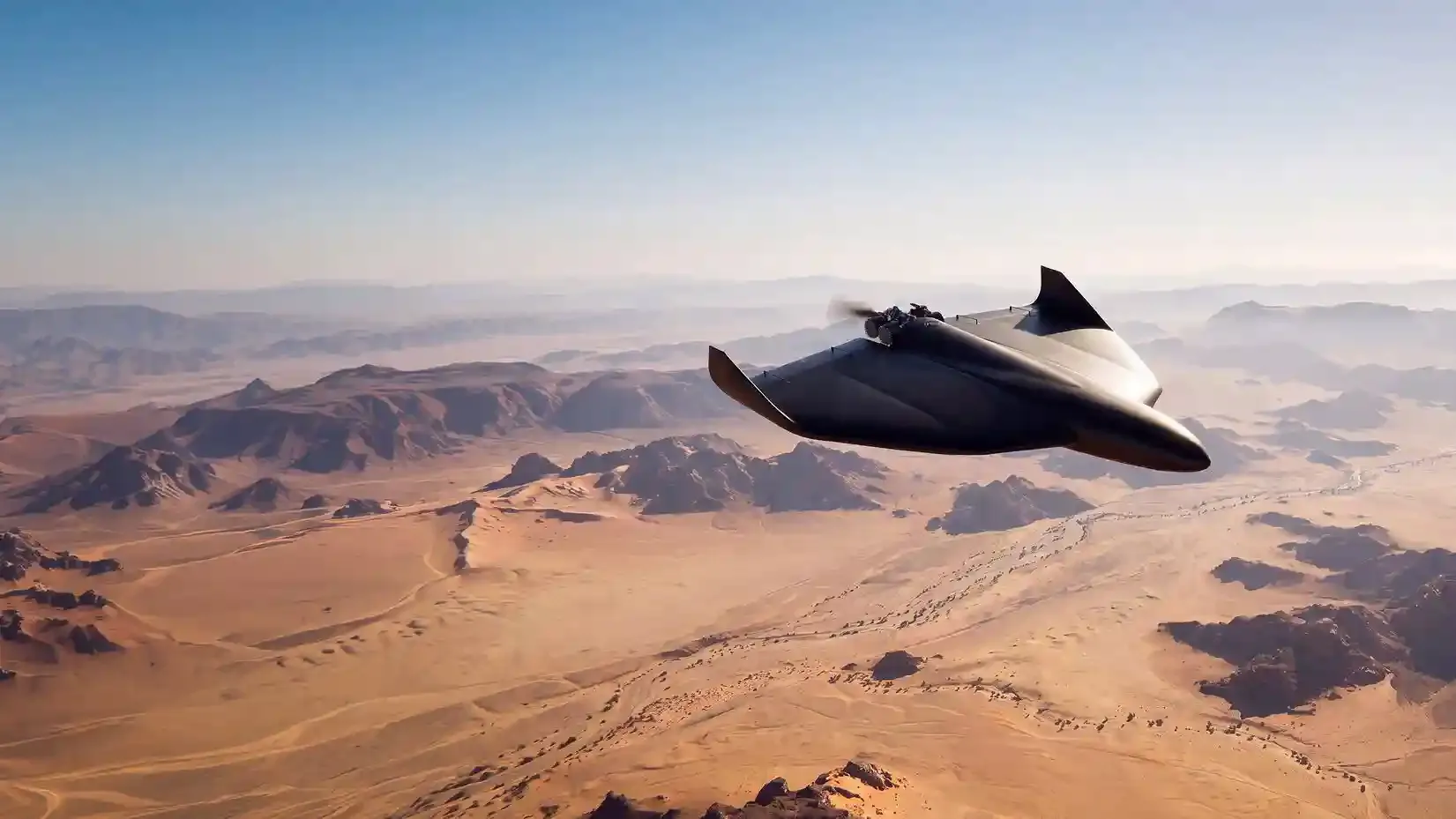
The IRIFI drone system, developed by Harmattan AI in collaboration with Morocco, boasts a striking operational range of 2,000 kilometers, placing it squarely in the category of long-range strike systems designed to target locations deep within operational theaters. The unveiling of this project took place at the Marrakech International Airshow on October 7, 2026, coinciding with the signing of the letter of intent for its development and production in Morocco.
The IRIFI drone operates using an internal combustion engine and is launched from a mobile platform employing specialized containers. This design grants it deployment flexibility, as opposed to relying solely on fixed launch sites. While specific details regarding the drone's weight, dimensions, speed, and flight duration remain undisclosed, the company has not revealed information concerning the weight or type of its warhead either, as these details remain classified.
Among the notable features of the IRIFI system is its capability to conduct missions autonomously post-launch. Commanders can set target parameters and mission criteria prior to launch, after which the drone executes its mission within the predetermined limits. Notably, the integrated navigation system does not solely depend on Global Navigation Satellite System (GNSS) signals; it also employs optical guidance in the final phase, ensuring navigational capabilities and target acquisition even in environments where satellite signals may be jammed or degraded.
In terms of manufacturing, this project aims to develop and produce key technological components within Morocco, involving Moroccan expertise as part of a broader plan to establish a local defense industrial base. As of now, a definitive manufacturing timeline or the number of systems the Royal Armed Forces intends to acquire has not been announced.
As reported by defense-arabic.com.