
Potential Transfer of KC-10 Extenders to Morocco or Egypt
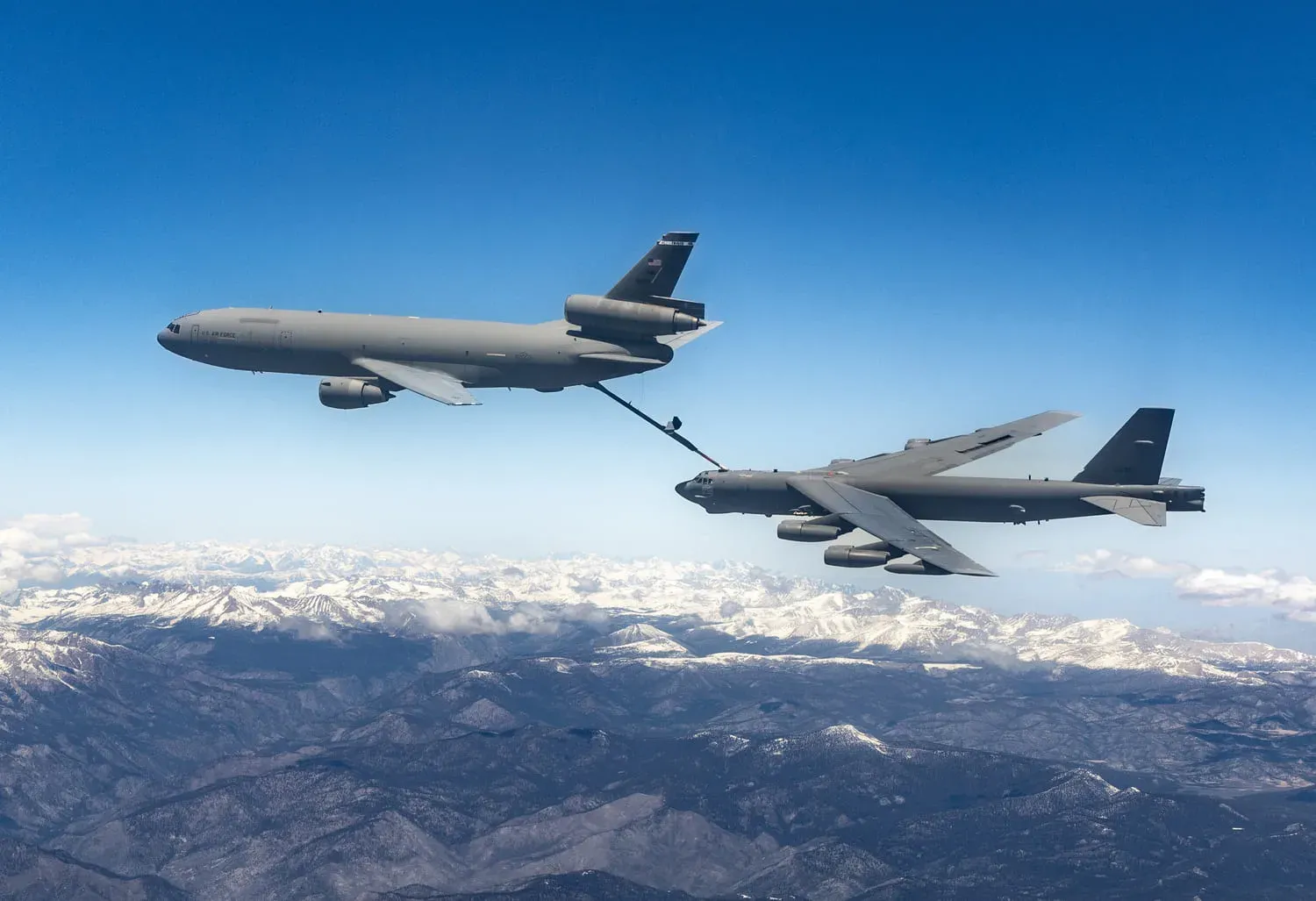
As the three-year mark since their last operational flight nears, the United States Air Force (USAF) has hinted at the possibility of parting with its fleet of KC-10 Extender refueling aircraft, with Morocco and Egypt emerging as the primary candidates for acquisition. This development follows a recent Request for Information (RFI) published on official U.S. government platforms, aimed at identifying potential partners capable of preparing and transporting the aircraft to an undisclosed customer. This initiative is expected to facilitate operational planning for the transfer.
The RFI, issued on October 7, outlines the intent to identify industry sources that possess the capability, expertise, and facilities necessary to execute the regeneration, obtain a unique flight authorization, return the aircraft to service at a depot level, provide global transportation, contractor logistics support in-country (CLS), and deliver operational and maintenance training for up to four KC-10 Extenders transferred through the Excess Defense Articles (EDA) program to a partner nation in North Africa.
Strategic Importance and Current Fleet Needs
While the specific nation vying for these KC-10 Extenders has not been disclosed, the focus on North African countries capable of benefiting from the EDA program is significant. Morocco and Egypt have maintained strong relations with the U.S. government, making them likely candidates for such an acquisition. Both countries have military budgets that encourage seeking out opportunities for defense upgrades, especially considering the EDA program allows for the procurement of surplus equipment at reduced costs, provided that transportation expenses are covered.
Furthermore, the current composition of the combat fleets in both nations adds layers to their respective needs. In Morocco, the Royal Air Force recently conducted initial test flights with its new F-16 Block 72 aircraft, the latest variant from Lockheed Martin, which necessitates the use of a boom-equipped refueling aircraft to enhance operational range—something the KC-10 can provide seamlessly. Morocco aims to build a total fleet of 25 F-16s, yet currently relies solely on C-130 refuelers, which utilize a different refueling system based on a probe and basket method.
Conversely, Egypt's Air Force currently lacks dedicated aerial refueling aircraft, as none of its C-130s are configured for this role. However, Egypt operates a diverse fleet of F-16 fighters, along with Mirage 2000-5 and Rafale jets, which require a boom refueling system to maximize their operational capabilities. The inclusion of KC-10s would significantly enhance Egypt's air combat readiness and logistical support capabilities.
From a geopolitical standpoint, analysts underscore the relevance of this potential transfer. Morocco is seen as a strategic ally for Washington, particularly in bolstering U.S. influence in Africa and the Middle East. This is particularly pertinent in light of recent tensions and Spain's reluctance to allow the U.S. to utilize its bases for operations against Iran. In Egypt's case, acquiring the KC-10s could serve to counterbalance China's increasing military presence, as evidenced by their recent deployment of Y-20 transport aircraft over the Egyptian pyramids during the Eagles of Civilization 2026 exercise.
While uncertainty remains surrounding which African nation will ultimately acquire the KC-10s, it's worth noting that the USAF originally procured a total of 60 units from McDonnell Douglas starting in 1979. Of these, one was lost in an accident in 1987, and 10 were put up for sale in April of last year, albeit in non-flying condition. Reports indicate that eight of these units were missing one engine and their refueling systems had been removed to support the rest of the active fleet, leaving the status of the remaining units unclear.
As reported by zona-militar.com.