
A delegation from Upper Austria recently embarked on a journey to Morocco to explore what has been termed the "export commodity of the future." This visit highlighted Morocco's strategic role in the production of hydrogen, a key technology that promises to transform industrial practices in Europe towards greener alternatives. The discussions emphasized the necessity of hydrogen for energy-intensive industries, particularly for companies like Voest, and underscored Morocco's potential as a crucial partner in Europe’s transition to sustainable energy sources.
As Morocco prepares to host the FIFA World Cup in 2030, the country is set to showcase numerous large-scale projects that aim to enhance its global standing. During the delegation's tour, which included key cities such as Casablanca, Rabat, Kenitra, and Tangier, local officials underscored the importance of establishing robust partnerships to facilitate this industrial shift. Upper Austria’s State Councilors, Markus Achleitner (ÖVP) and Günther Steinkellner (FPÖ), expressed optimism about Morocco’s capabilities to serve as a vital link between Europe and Africa, particularly in the hydrogen sector.
The pressing question remains: when will hydrogen from Africa realistically reach Austria? Achleitner estimates that it could take approximately 20 to 30 years before a complete transition is realized, although many projects are already underway. A significant hurdle lies in the logistics of transporting hydrogen to Austria, necessitating the construction or modification of pipelines—a considerable undertaking that will require substantial investment and planning.
Producing green hydrogen relies heavily on renewable energy sources, which brings the focus back to Morocco’s vast deserts, now poised to play a historical role in energy production. Currently, renewable energy accounts for 37% of Morocco’s electricity generation, with plans to increase this figure to 50% by 2027. Steinkellner pointed out that the mobility sector stands to benefit significantly from the adoption of green hydrogen, presenting numerous opportunities for innovation and growth.
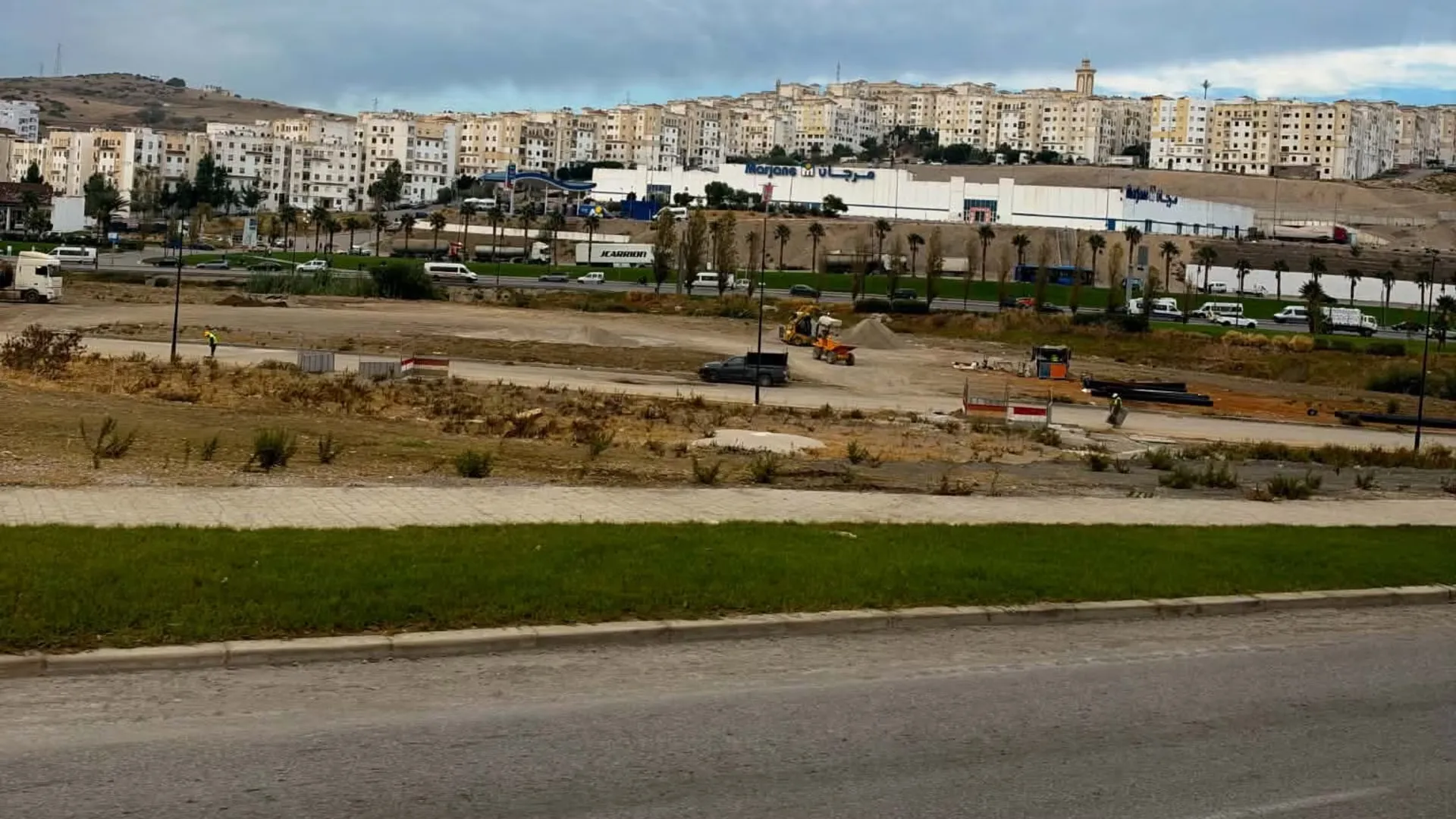
Additionally, the delegation toured the Tangier port, which exemplifies modern logistics and global connectivity. Morocco is also expanding its railway network significantly, with an increase of over 1,500 kilometers planned in the lead-up to the World Cup, further enhancing the country’s infrastructure capabilities.
Despite the optimistic outlook, there are still many obstacles to overcome before hydrogen from Africa can be delivered in sufficient quantities and at competitive prices to support European industries. However, initial connections have been established, marking the beginning of what could be a transformative partnership in the energy sector.
As reported by krone.at.