
Morocco-India Trade Relations Reach New Heights
Morocco's bilateral trade with India has witnessed significant growth, escalating from $2.9 billion in 2021 to an impressive $4.4 billion by 2026. This remarkable increase, which represents an average annual growth rate of 12.4% over the past five years, underscores the effectiveness of King Mohammed VI's economic modernization strategy aimed at enhancing the North African nation's commercial connections with Asia's third-largest economy. The recent seventh session of the Morocco-India Joint Commission, co-chaired by Morocco's Secretary of State for Foreign Trade Omar Hejira and India's Minister of State for Trade Jitin Prasada, served as a platform to celebrate this milestone. The event, which took place in Rabat, attracted approximately 50 participating companies and focused on shifting the trade relationship from traditional commodities towards high-value, technology-intensive industries.
Strategic Collaboration and Untapped Potential
Both nations have pinpointed key sectors for collaboration, including advanced manufacturing, artificial intelligence, renewable energy, and pharmaceuticals. According to Morocco's Ministry of Industry and Trade, there exists an estimated $1.4 billion in untapped export potential from Morocco to India, while India has roughly $1.2 billion in potential exports to Morocco. This combined potential of $2.6 billion in additional bilateral trade has been recognized by both governments as attainable. Currently, India ranks as Morocco's fourth-largest customer and tenth-largest supplier. Representatives from India at the commission emphasized their intention to use Morocco as a strategic entry point into African markets, particularly as Indian businesses aim to invest in significant Moroccan development projects. This approach is facilitated by Morocco's favorable geographic position, serving as a bridge between Africa, Europe, and the Atlantic.
The trade expansion aligns with Morocco's broader foreign trade strategy, which explicitly aims to strengthen commercial relationships with major Asian economies. The evolving partnership with India stands as one of the most successful examples of this strategy. As reported by billionaires.africa. Both countries recognize the considerable opportunities to enhance economic cooperation through joint ventures and technology transfers.
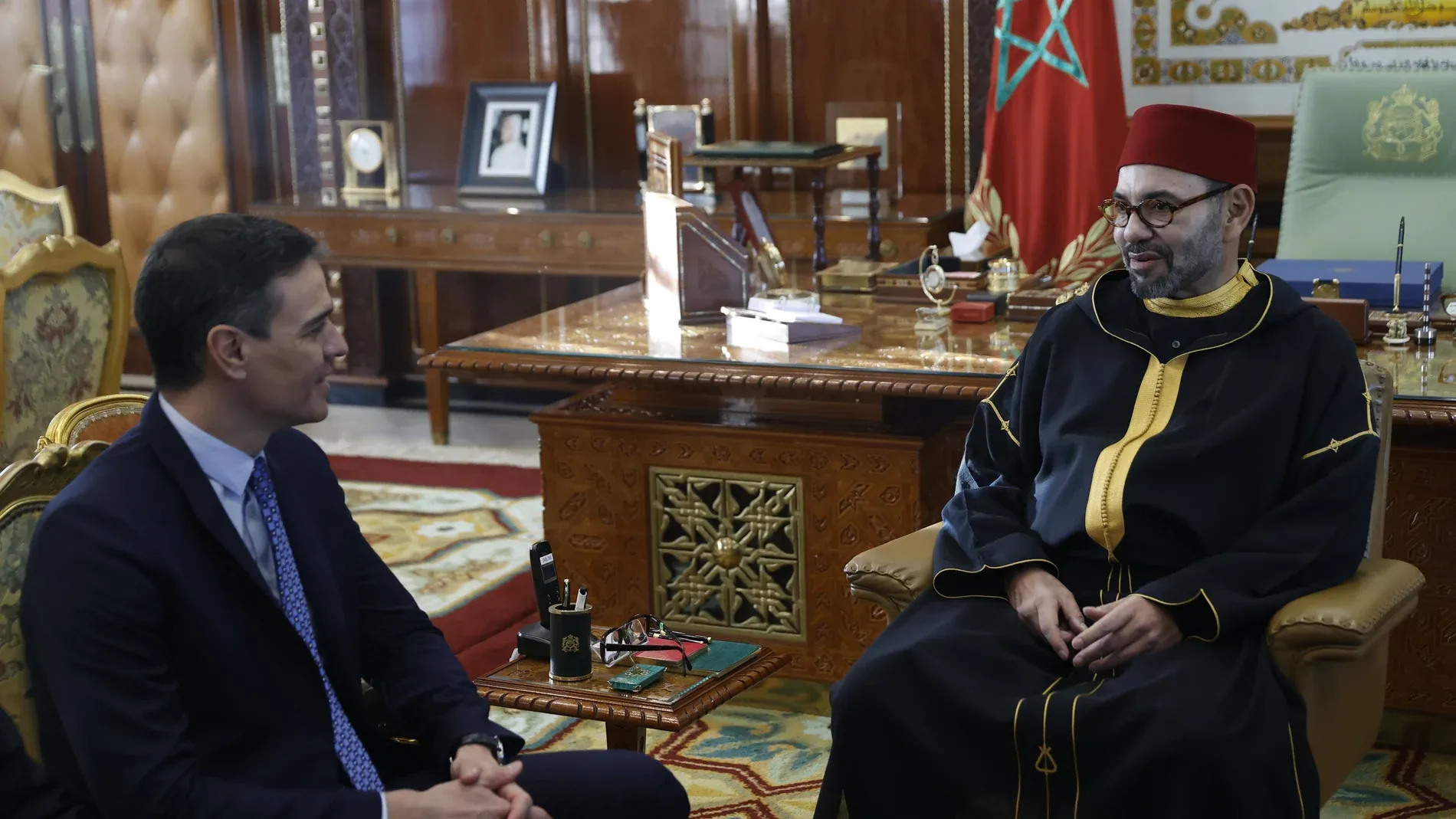
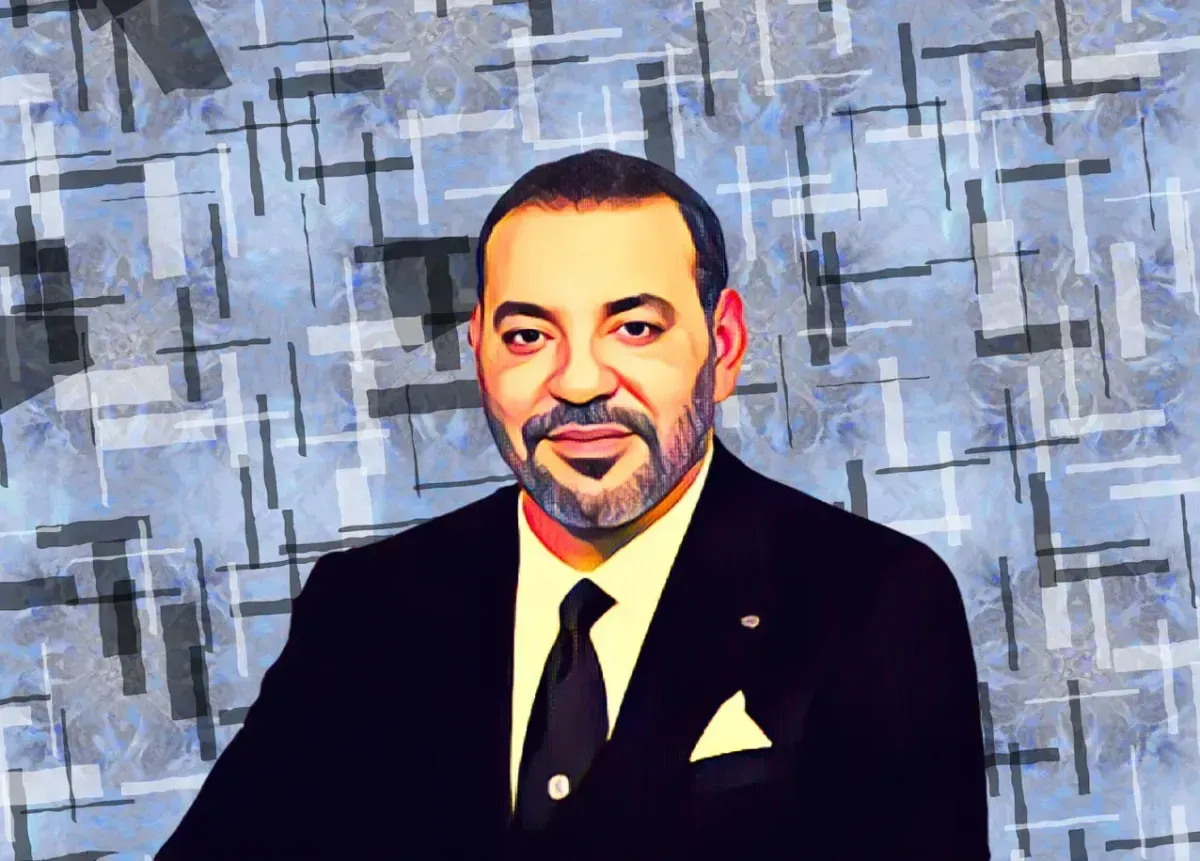
The economic modernization that has positioned Morocco as a prime partner for India can be attributed to the leadership of King Mohammed VI, Africa's wealthiest monarch, who has reigned since July 1999. His estimated net worth exceeds $2 billion, stemming from investments in Société Nationale d'Investissement and significant stakes in banking, telecommunications, and the global phosphate industry via OCP Group, the leading phosphate exporter worldwide. Under his reign, Morocco has undergone extensive socioeconomic reforms, transitioning from a primarily agricultural economy into one of Africa's most diversified industrial and service hubs. The establishment of new industrial zones has attracted global manufacturers, including Renault, Stellantis, Boeing, and Airbus, further solidifying Morocco's position in the global market.
As of 2026, Morocco's GDP is projected to reach approximately $160 billion, making it the fifth-largest economy in Africa. In contrast, India's nominal GDP is expected to be around $4.15 trillion, solidifying its status as the world's fifth-largest economy and the third-largest in Asia, trailing only behind China and Japan. The findings of the commission indicate a relationship that has evolved beyond mere phosphate and textile trade, with both governments now framing Morocco and India as strategic partners in a technological and industrial transition. Morocco's geographical advantages and India's capital investment and technological capabilities create a synergistic partnership poised for growth in emerging markets beyond their traditional focus.