
Morocco's Changing Stance on Migration Cooperation Amid Royal Visit
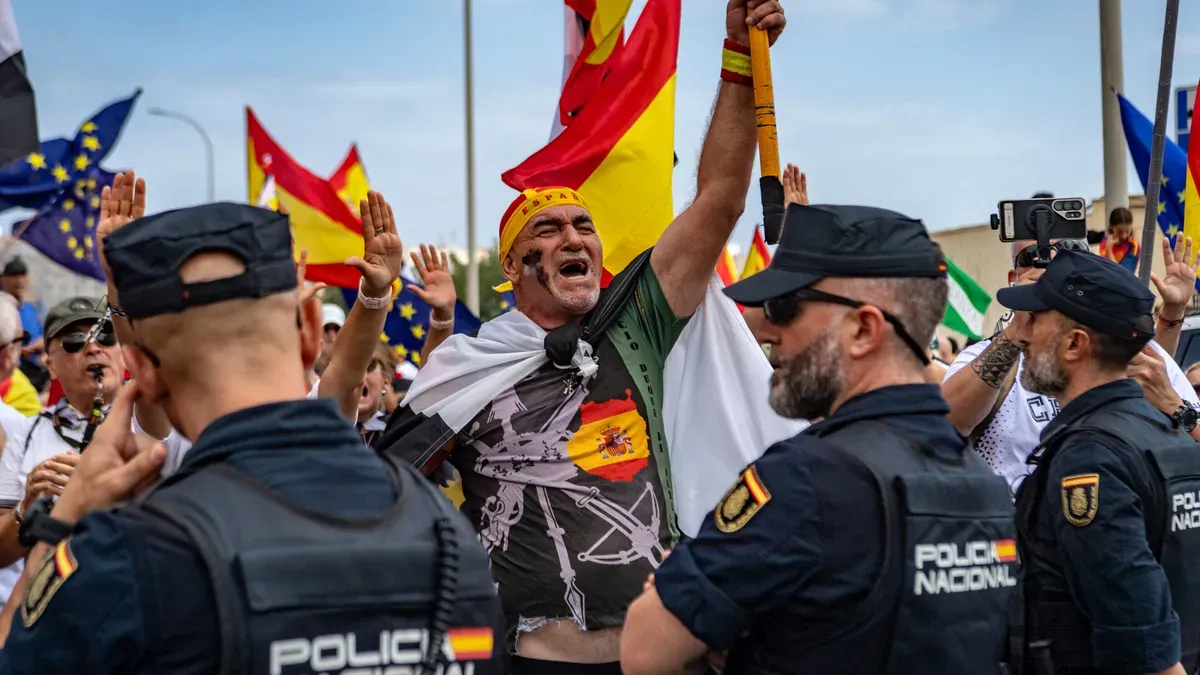
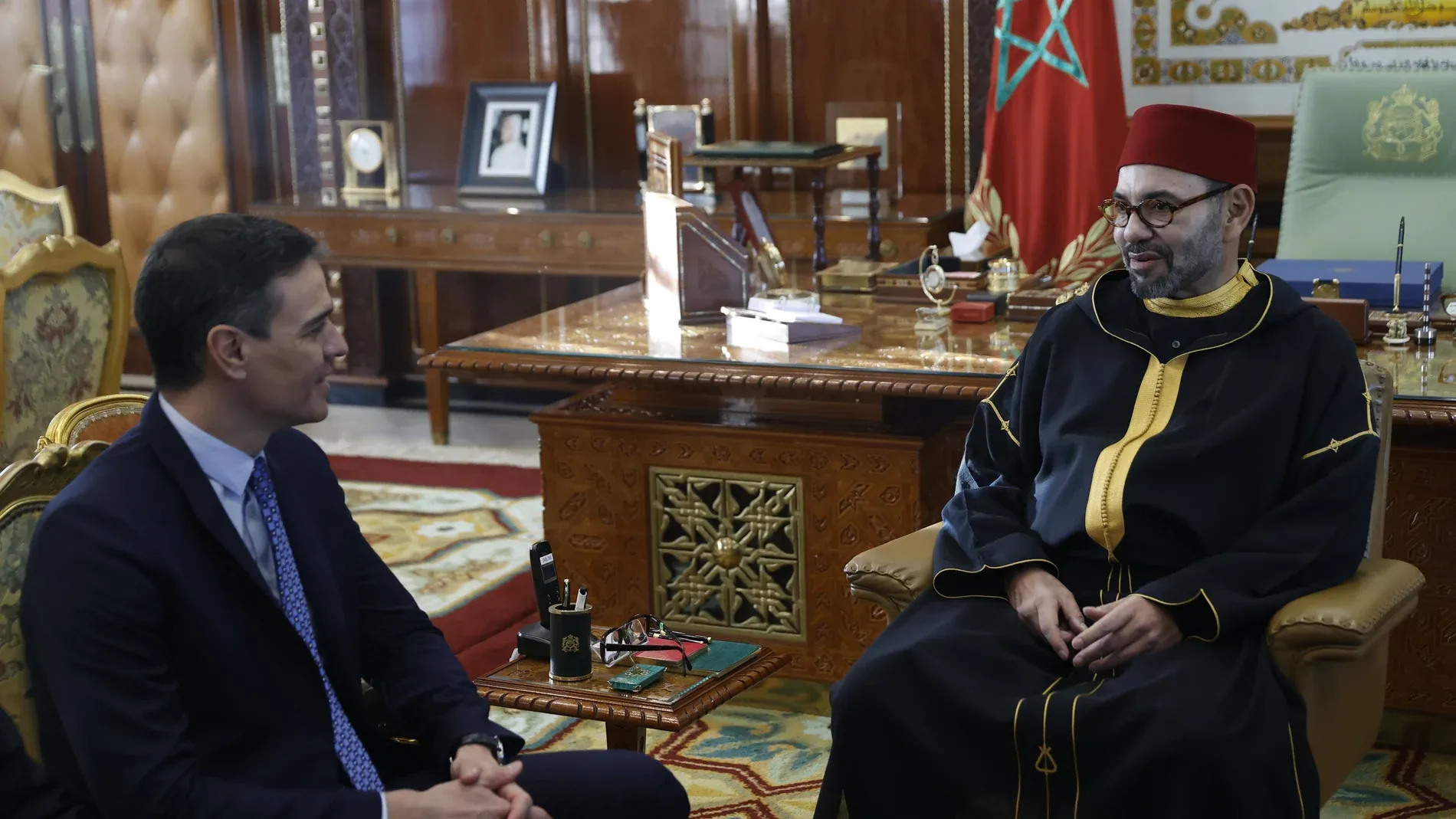
In a significant political climate, the recent visit of the Spanish Royal Family to Ceuta and Melilla coincided with heightened scrutiny from Rabat regarding declarations made by leaders of the People's Party (PP) and Vox, especially in light of a potential coalition government. This event arrives just ahead of Spain's upcoming elections on November 29, which could potentially mark the end of the Sánchez administration and usher in a new political era. Following the tumultuous events at the Tarajal border two and a half months prior, where a mass influx of individuals occurred, the Moroccan authorities, particularly King Mohammed VI, have articulated a critical view of the current state of bilateral relations during his address at the inauguration of the legislative session last Friday.
In his speech, the Moroccan monarch emphasized that the existing model of migration cooperation with Spain has become outdated. He explicitly mentioned that cooperation with Madrid is facing significant challenges due to outdated legal frameworks and judicial decisions that do not align with contemporary realities. He linked Spain’s legal obligations regarding child protection and the recent ruling by the Spanish Supreme Court to the delays in repatriating Moroccan minors and individuals seeking refuge in Ceuta since the border crisis.
Moreover, King Mohammed VI highlighted that the same legal provisions have the potential to exacerbate the greed of criminal networks, which the Spanish government has also identified as key players in facilitating the mass migration of youth towards the Ceuta border in the lead-up to the influx on July 30 and 31. By declaring the bilateral cooperation model as 'exhausted', the Moroccan sovereign contradicts the assertions made by the Sánchez government, which has repeatedly touted the current relationship with Morocco as the best in history, especially following the diplomatic shift regarding Western Sahara and the subsequent developments in spring 2022.
A New Era of Migration Cooperation and Political Tensions
Furthermore, King Mohammed VI announced a new framework for migration cooperation with Spain and other partners, which remains uncertain given that collaboration in this area has been a cornerstone of bilateral relations in recent years. The Moroccan monarch proposed a 'strategic, clear, and practical vision' aimed at consolidating shared development, economic competitiveness, and regional stability. According to Moroccan diplomatic advisor and expert on Hispano-Moroccan relations, Samir Bennis, it is likely that Moroccan authorities will request a realistic reform of Spain’s immigration laws to facilitate hot returns and the signing of migration agreements with source countries, particularly those in Sub-Saharan Africa. Bennis also mentioned that Morocco will seek to adjust the community budgets allocated to it to reflect the substantial efforts made to control migratory flows.
Additionally, the king's speech serves as a warning to a possible coalition government formed by PP and Vox after the elections, as there is a growing perception in Rabat that Sánchez's administration is seen as having run its course. Concerns regarding changes in Morocco's foreign policy priorities, particularly regarding Western Sahara, have emerged, especially in light of the intense media scrutiny following the border assault, which has been perceived as a campaign to discredit the Moroccan government.
In a revealing admission, Prime Minister Pedro Sánchez confirmed that Moroccan warships entered Spanish territorial waters without authorization during the aforementioned migration crisis, coinciding with the surge of immigrants into Ceuta. This military dimension to the crisis had previously gone unrecognized by the Spanish government. Sánchez acknowledged that the Spanish Navy was mobilized to protect its territorial waters, deploying a maritime action vessel and later reinforcing it with the frigate Santa María, which was eventually replaced by the Navarra due to a malfunction. While Sánchez did not clarify the reasons behind the incursions or their connection to the migration pressure, the timing adds a complex layer to the ongoing crisis, raising crucial questions about the objectives of the Moroccan vessels and their duration of stay in Spanish waters. Although Sánchez stated that both nations experienced tension, he affirmed that the incident was resolved through high-level communication between their respective military forces, asserting that bilateral relations are returning to normal.
As reported by larazon.es.