
On October 3, 2026, the Arab Defense website reported a significant shift in the nature of defense cooperation between Morocco and Israel, moving beyond mere arms purchases into the realm of military manufacturing, technology transfer, and the establishment of local production capabilities. This development is underscored by the announcement of a new facility dedicated to the production of loitering munitions located within Moroccan territory. This strategic initiative not only promises to enhance Morocco's expertise in the field of suicide drones but also provides Israeli defense industries with a substantial industrial foothold in North Africa.
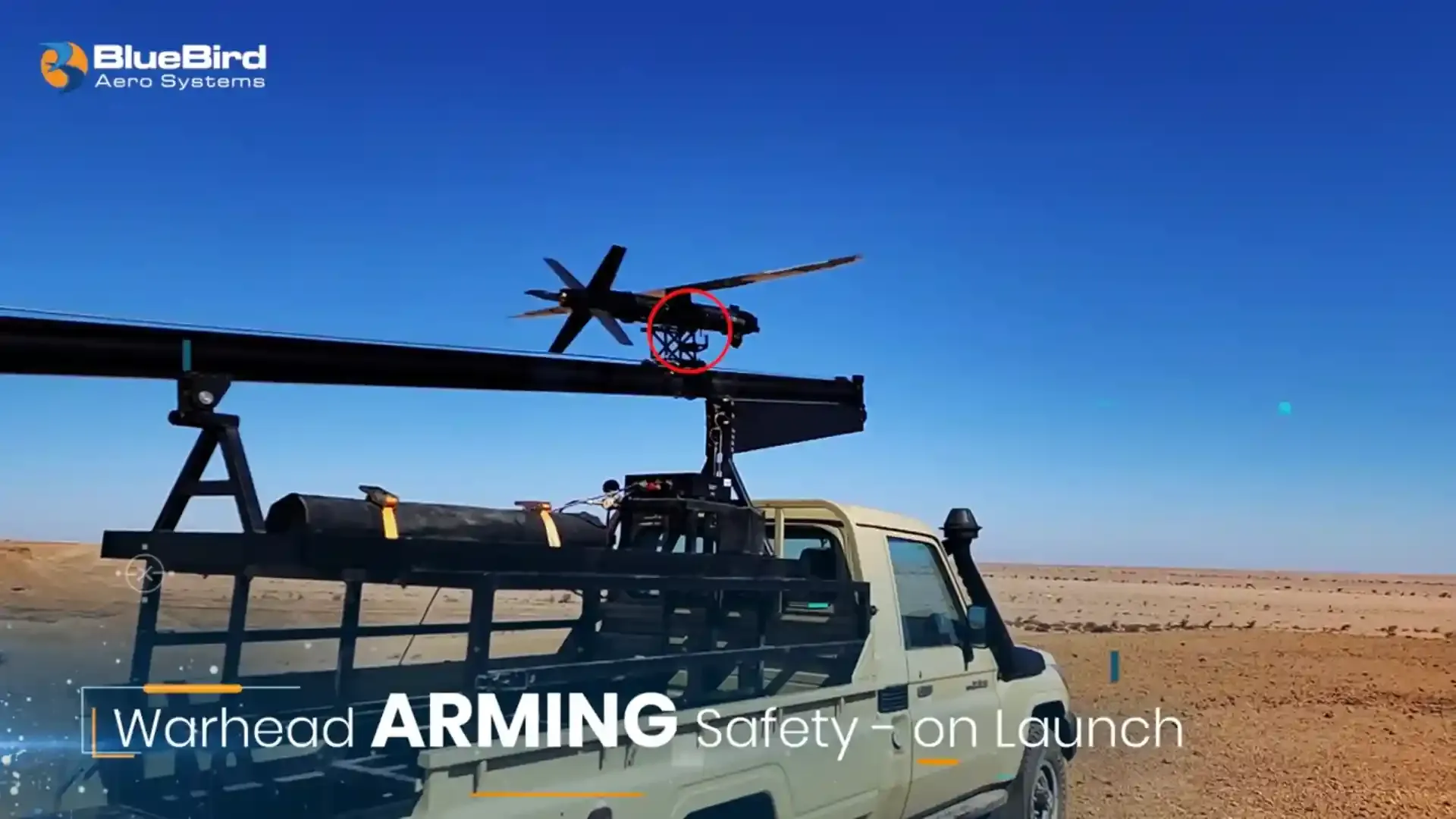
The unfolding situation in Morocco reflects a deeper collaboration between Rabat and Tel Aviv, signifying a transition from purchasing Israeli military systems to producing certain Israeli military technologies domestically. Reports from Israel last year indicated the opening of a facility in the Benslimane region near Casablanca, which is set to manufacture SpyX loitering munitions developed by BlueBird Aero Systems, a company affiliated with Israel Aerospace Industries (IAI). As per these reports, the project aims to focus on local production, assembly, and maintenance, while also training Moroccan engineers and technicians in the relevant technologies.
This strategic move suggests that Morocco is no longer merely a customer acquiring ready-made weapons from Israel; instead, it is becoming an integral part of a sophisticated production and development chain for advanced military systems. Consequently, the Royal Armed Forces of Morocco will have the opportunity to build local industrial expertise in unmanned aerial vehicles (UAVs) and loitering munitions, reducing their reliance on foreign imports.
The SpyX system, as announced by the developing company, boasts a range of approximately 50 kilometers, an endurance of about 90 minutes, and a maximum speed nearing 250 knots, with the capability to carry a warhead weighing around 2.5 kilograms. Its versatility is further enhanced by the ability to launch from various platforms, providing users with flexibility in deploying it for reconnaissance, surveillance, and engagement missions.
This type of collaboration aligns with Morocco’s ambitions to establish a local defense industrial base capable of integrating foreign technology while nurturing national competencies. For Israeli companies, the establishment of a production facility within Morocco not only opens up access to other African markets but also grants them a new industrial foothold in a region that is witnessing rapid growth in demand for UAVs and modern warfare systems. Reports suggest that this project could also serve as a potential base for expansion into other African markets.
Moreover, this advanced system forms part of a broader network of Moroccan-Israeli defense cooperation, which encompasses air defense systems, radars, rocket artillery, satellites, and UAVs. Several Israeli companies are gearing up to participate in the Marrakech Air Show 2026, showcasing systems for air defense, precision strikes, UAVs, and space technology, underscoring the expanding Israeli presence in the Moroccan defense market.
The Rising Sensitivity in Spanish Relations
This evolving cooperation has indirect repercussions, particularly regarding Spain's heightened sensitivity towards the growing military collaboration between Israel and Morocco. As Morocco's partnership with Israel transitions from arms deals to local production, technology transfer, and industrial capacity building, Israel's presence in North Africa becomes more entrenched and less reliant on temporary sales operations.
This development has contributed to an increase in Spanish apprehension about the enhancement of military cooperation between Israel and Morocco, especially as this collaboration evolves into advanced systems and local manufacturing. As Israel fortified its defense presence in Morocco by supplying advanced military systems, Madrid began to scale back its defense relations with Tel Aviv, culminating in September 2025 with a ban on the export and import of Israeli defense equipment and technology as part of a broader set of measures enacted by the Spanish government.
Additionally, Spain canceled a contract worth approximately €285 million for 168 SPIKE LR2 anti-tank missiles that were to be produced by Pap Tecnos, a subsidiary of Rafael, in Spain. The Spanish Ministry of Defense linked this cancellation to a broader objective of reducing reliance on Israeli military technology.
While Spain was actively working to diminish the presence of Israeli defense industries in its military framework, Israeli companies have been expanding their industrial and technological footprint in Morocco. By 2026, competition between Israeli and French defense industries has become evident in the Moroccan market, as Israel seeks to solidify its position in sectors historically dominated by European firms, including aviation, air defense, UAV systems, and space technology.
A Strategic Shift in Military Cooperation
The establishment of a Moroccan facility for the production of suicide drones cannot be viewed in isolation from the broader developments in military cooperation between Morocco and Israel. This transition from simple arms transactions to the provision of advanced systems, technologies, and the development of local industrial capabilities has heightened Spanish sensitivities regarding Morocco's military enhancement, particularly when it comes to systems that may provide Morocco with qualitative capabilities that could potentially target Spanish assets.
Furthermore, the expansion of Israeli industrial presence in Morocco adds a new strategic and military dimension to this tension, illustrating Israel's ability to broaden its defense industry presence in the southern Mediterranean while transferring parts of its production and technological capabilities to Morocco, even as its defense relations with a Mediterranean European nation like Spain continue to decline. This evolution is not limited to traditional arms deals; it reflects a deeper level of cooperation encompassing local manufacturing, technology transfer, and workforce training, thereby strengthening the Israeli industrial and military presence in the region.
The SpyX project may well represent more than just a factory for producing suicide drones. It serves as a pivotal test for Morocco’s ability to transition from being an arms importer to becoming an industrial partner in their production, while simultaneously granting Israel a significant industrial foothold in North Africa. This development could position Morocco as a crucial center for the development and production of UAV systems and loitering munitions in the region in the coming years.
As reported by defense-arabic.com.