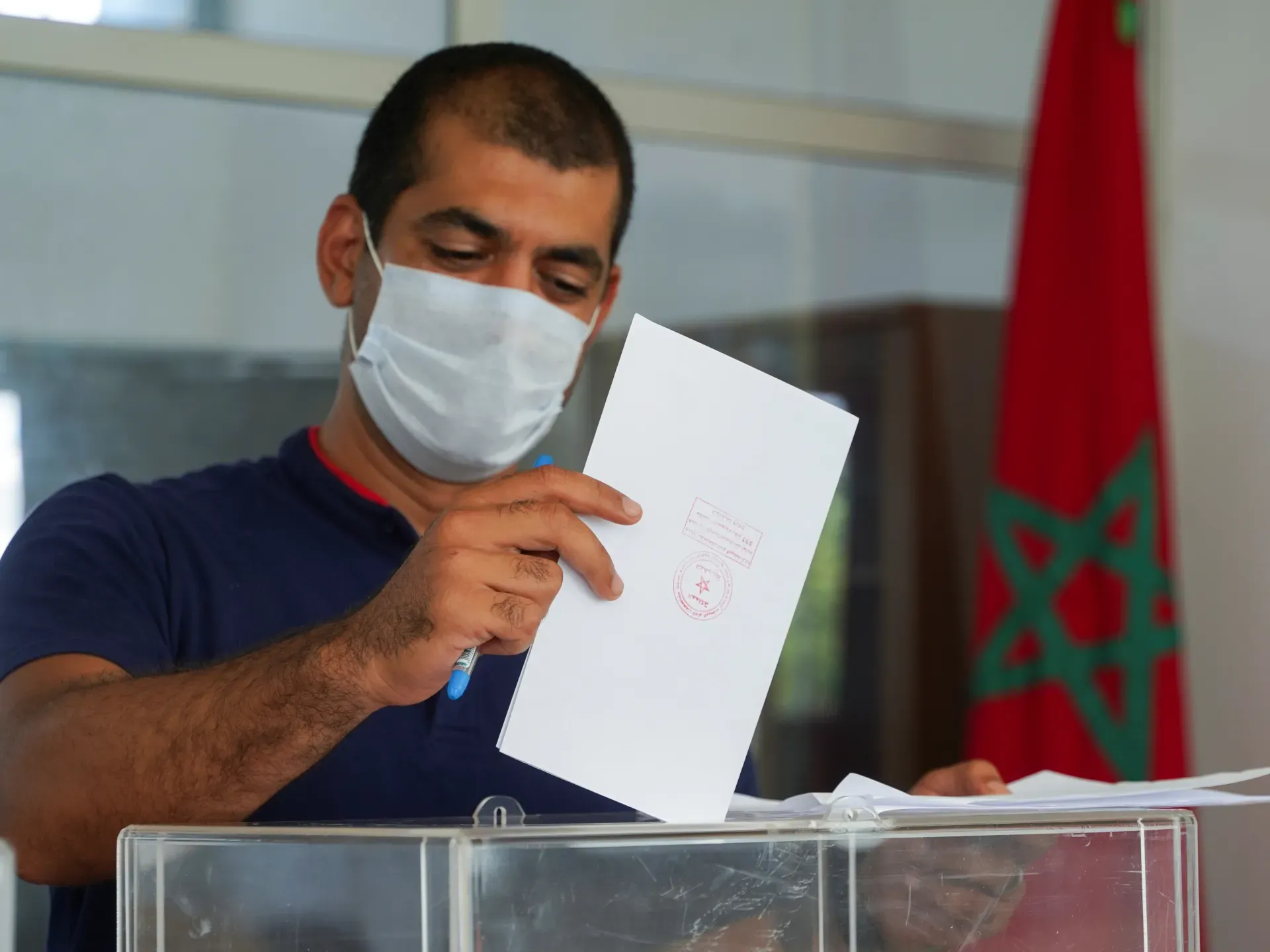
Strengthening Diplomatic Relations: Morocco and Israel's New Embassies
Morocco and Israel have taken a significant step forward in their diplomatic relationship by converting their liaison offices into full-fledged embassies, marking six years since the normalization of their ties. This transformation not only solidifies their alliance but also signifies a commitment to long-term collaboration, especially as both nations prepare to appoint ambassadors and elevate their diplomatic engagements to the highest level. However, despite this advancement, the partnership's impact on the critically important issue of Western Sahara has been notably less fruitful. Just weeks ahead of the anticipated extension of the MINURSO mandate, the United States continues to regard Algeria as an essential partner for dialogue, underscoring the complexities within the region.
The military aspect of the Morocco-Israel relationship has proven robust, with a defense agreement signed in 2021 that encompasses intelligence sharing, arms manufacturing, and military equipment procurement. This collaboration has since expanded to include advanced areas such as drone technology, cybersecurity, and surveillance systems. Morocco aims to produce various categories of Israeli drones domestically, which is part of a broader strategy to enhance its defense capabilities, particularly along its borders with Algeria and Mauritania, as well as in Western Sahara.
Western Sahara: A Complex Struggle
Despite the tangible military advancements, the situation in Western Sahara remains precarious, with recent developments indicating that diplomatic recognition from Washington and Tel Aviv has not translated into substantial progress. The geopolitical landscape is influenced by Algeria's significant role, as demonstrated by the frequent visits of U.S. Special Envoy Massad Boulos, who has engaged with Algerian officials multiple times regarding energy issues while emphasizing the Western Sahara conflict. The upcoming UN Security Council meeting to decide on the MINURSO mandate extension is set against a backdrop of Algeria's opposition to Resolution 2797 adopted in October 2025.
This complex scenario highlights Algeria's leverage, which extends beyond mere UN voting dynamics. Its influence over the Polisario Front, the reception of Sahrawi refugees, and its strategic importance in the Sahel and Libya, coupled with U.S. interests in Algerian energy resources, places Morocco at a disadvantage in its dealings with Washington. While Morocco has benefited politically from its normalization with Israel, particularly in terms of supportive statements, the core issue of Western Sahara continues to depend heavily on the interplay between Washington and Algiers.
Furthermore, the deepening security partnership with Israel carries domestic political implications for Morocco, where public sentiment still holds significant regard for the Palestinian cause. Numerous protests have emerged, condemning the conflict in Gaza and calling for a cessation of relations with Israel. Nevertheless, the Moroccan monarchy remains steadfast in its approach, striving to balance its partnership with Israel while asserting its role in the reconstruction of Gaza. This includes Morocco's commitment, announced in July 2026, to participate in an International Stabilization Force by sending military personnel and establishing a field hospital.
In conclusion, the establishment of embassies by Morocco and Israel represents a pivotal moment in their alliance. While Morocco has gained military capabilities and strengthened ties with Israel, this has simultaneously led to a new dependency that replaces rather than eliminates previous dependencies. In contrast, the recognition from Washington and Tel Aviv concerning Western Sahara has failed to yield decisive advancements in a conflict where, as of fall 2026, negotiations remain intricately linked to Algeria's stance.
As reported by africa-live.de.