
Exploring the Intricacies of Morocco-Spain Relations
The relationship between Morocco and Spain has evolved significantly over the past three decades, reflecting the robust economic and trade interactions that have reached approximately 23 billion euros. Morocco serves as a pivotal gateway for Spain to Africa, accounting for over fifty percent of its exports to the continent. Despite these shared interests, the bilateral relations are marked by complexity and contradiction. On one hand, there are opportunities for establishing a strategic partnership, bolstered by geographical proximity and mutual interests; on the other hand, historical grievances and ongoing crises create a climate of suspicion and caution regarding the future.
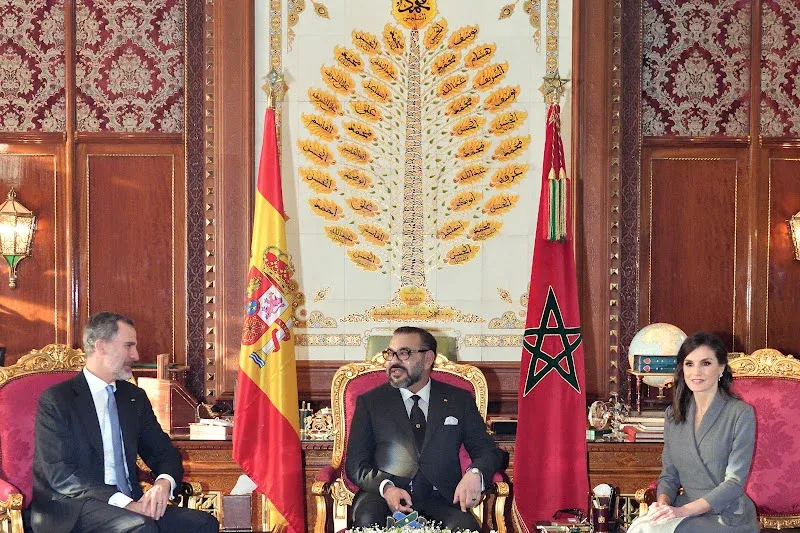
Over the years, both countries have managed to transform several challenging episodes and crises into tangible opportunities for enhanced cooperation, particularly in areas such as migration management, counter-terrorism, and strengthening trade ties. A notable development occurred in 2022 when Spain acknowledged Morocco's autonomy initiative as a serious and credible basis for resolving the Sahara dispute. This acknowledgment fostered a sense of relief in Morocco and facilitated a warming of diplomatic relations, exemplified by the return of Morocco's ambassador to Spain and a visit from Spanish Prime Minister Pedro Sánchez to Morocco, where he was received by King Mohammed VI. This visit culminated in the establishment of a roadmap for comprehensive engagement between the two nations.
Addressing Migration Challenges and Historical Tensions
The recent surge of over 70,000 individuals crossing into Ceuta has strained Morocco-Spain relations, leading to a resurgence of extremist rhetoric against migrants from opposition parties in Spain, including the Popular Party and far-right factions. Accusations have even emerged, suggesting Moroccan authorities are complicit in this migration flow, with critics labeling Sánchez's government as weak in the face of Moroccan influence. Morocco has firmly rejected these allegations, urging against entangling its affairs in Spain's internal political disputes.
Nevertheless, amidst these tensions, reports indicate ongoing coordination and information exchange between Morocco and Spain, which have successfully thwarted multiple planned mass border incursions. The recent crisis has highlighted Morocco's reluctance to assume the role of a border guard for the European Union, particularly Spain, advocating instead for a balanced and serious cooperation that considers the humanitarian dimensions of migration alongside security concerns. Morocco insists on the repatriation of unaccompanied Moroccan minors from Ceuta while Spain and European nations recognize the seriousness of Morocco's efforts in addressing sensitive migration issues. It is clear that safeguarding their southern borders fundamentally relies on strengthening partnerships with Morocco, which necessitates moving beyond rhetoric to implementing financial and logistical measures that adequately address the challenges posed by human trafficking and migration networks.
Recently, the European Parliament called on both Spain and Morocco to expedite the deportation of migrants who entered Ceuta in July, reaffirming the strategic partnership between Morocco and the European Union. Attempts by extremist factions within the EU to exploit the mass incursion events to exacerbate relations have proven unsuccessful.
Despite the challenges, Morocco and Spain have demonstrated wisdom and prudence in navigating the complex dynamics of their relationship, overcoming various difficulties that arise periodically. However, several historical issues continue to cast shadows over bilateral relations, such as the unresolved status of the Chafarinas Islands and other territories like Peñón de Vélez de la Gomera, Ceuta, and Melilla, which Morocco claims as part of its territory, while Spain maintains them as extensions of European borders. Additionally, historical grievances regarding the use of toxic gases by Madrid in northern Morocco during the protectorate era, particularly in the 1920s, and ongoing disputes over maritime border delineation, complicate the landscape further.
As German Chancellor Otto von Bismarck asserted over a century ago, geography remains a constant factor in political relations; neighborhood in international relations is not a choice but rather a fate that must be navigated with a focus on shared interests and challenges. Confidence-building measures between Morocco and Spain are essential for transforming this neighborhood into a space for mutual development, enhanced economic cooperation, and shared interests that promote regional and international peace and security. This process begins with establishing a comprehensive strategic dialogue and fostering constructive discussions that transform historical legacies into genuine opportunities for securing a more resilient and sustainable future.
As reported by hespress.com.