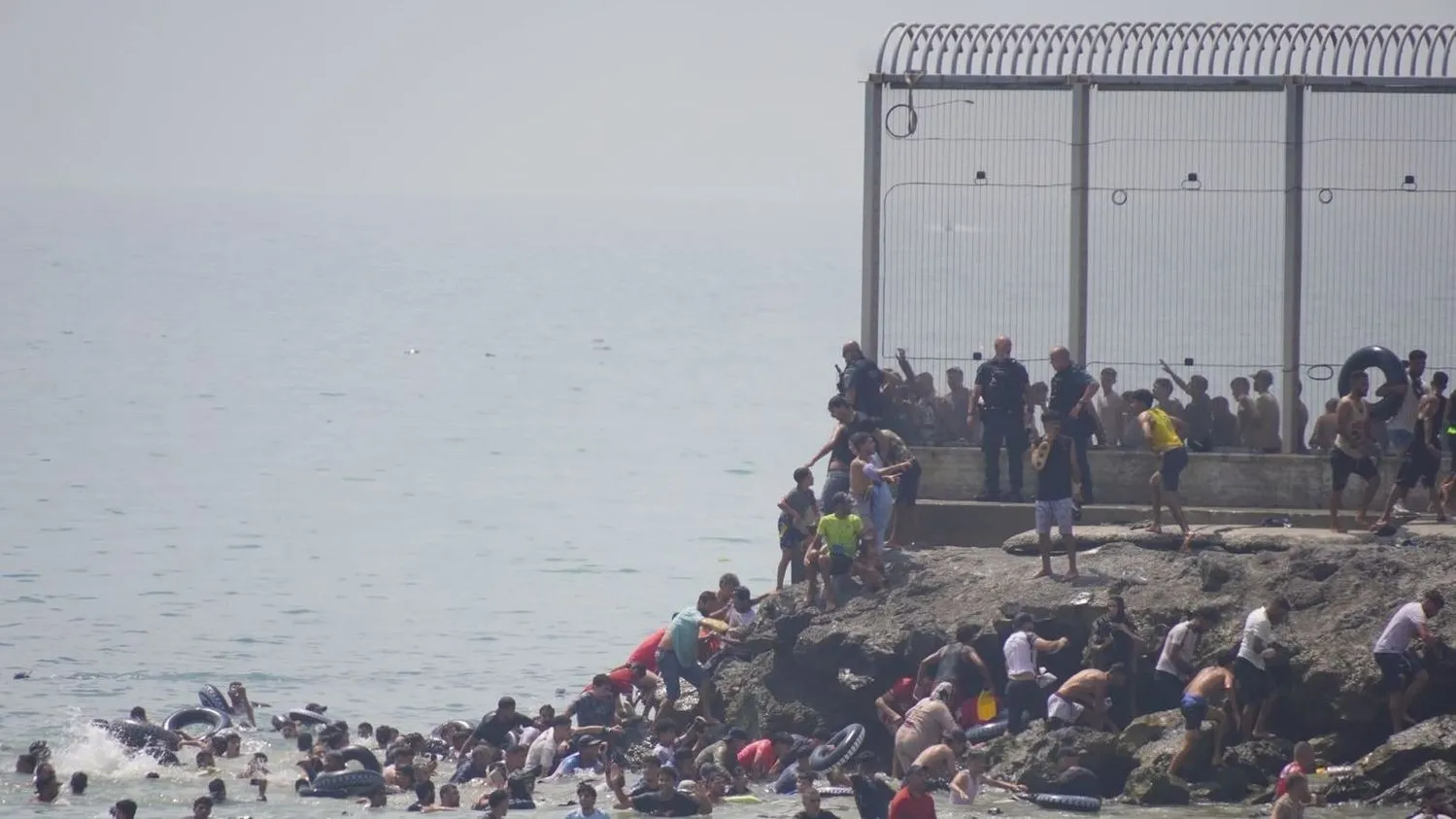

Heightened Migration Concerns in Ceuta
The coastal enclave of Ceuta is currently grappling with an unprecedented surge in migration, with reports indicating that approximately 2,000 migrants have arrived in recent days, many of whom made the perilous journey by swimming across the sea. In response to this sudden influx, Moroccan authorities have intensified their collaboration with Spanish counterparts. This crisis escalated further when dozens of individuals escaped from the Trajal facility earlier today, prompting urgent discussions between the two nations.
All migrants have reportedly entered Ceuta by sea, with the treacherous crossing resulting in four confirmed fatalities and several others unaccounted for. In light of these developments, both governments have reached a joint decision to expedite the repatriation of all individuals who have entered the enclave illegally.
Immediate Repatriation Efforts and Legal Implications
According to consistent sources, the immediate repatriation of all irregular migrants is on the agenda, a move welcomed by the Spanish Ministry of the Interior, which praised the effective cooperation with Morocco in combating illegal immigration. Both countries have pledged to facilitate the rapid transfer of all undocumented individuals, without exception. However, the situation for unaccompanied minors is more complex due to Spanish legal stipulations that require specific protections before considering their expulsion.
The Spanish government has attributed this sudden influx to human trafficking networks that have encouraged hundreds of migrants to risk their lives in an attempt to reach Ceuta. These networks have misleadingly suggested that a legal ruling allows for their continued stay in the enclave upon arrival. This refers to the Supreme Court ruling from July 8, 2026, which, according to Article V, prevents immediate expulsion of individuals arriving by sea. This ruling has been extensively reported in the media and widely shared on social platforms, clarifying that those who swim to the enclaves (Ceuta or Melilla) cannot be rapidly returned, as such actions must adhere to a more prolonged legal process. Conversely, immediate expulsion measures apply to those who breach physical barriers, such as fences.
Unfortunately, this ruling has been misinterpreted by smuggling networks as a green light, leading many to believe they can enter illegally without fear of expulsion. The fate of unaccompanied minors remains particularly uncertain, as Spanish law prohibits their return without adequate protective guarantees. In 2022, the Superior Court of Andalusia upheld a decision from the Ceuta court that suspended the collective expulsion of minors back to Morocco, a reflection of the ongoing legal and ethical complexities surrounding this issue.
As reported by lopinion.ma.