
Strengthening Defense Ties Between Morocco and the UAE
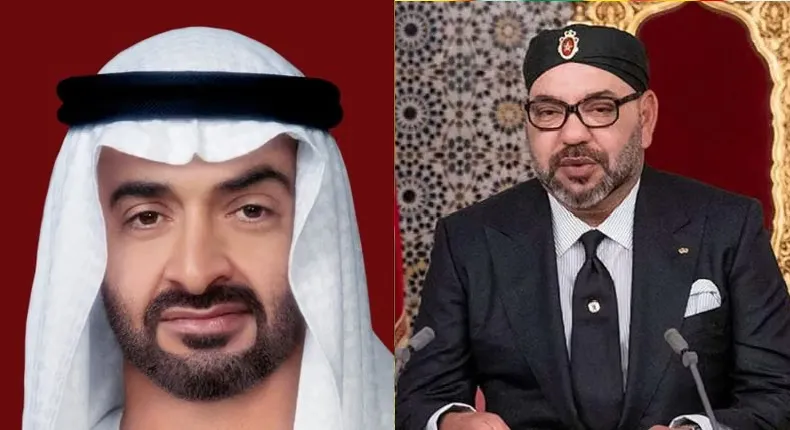
Morocco and the United Arab Emirates (UAE) are significantly enhancing their bilateral defense alliance, a move solidified by high-level military discussions that were recently conducted in Rabat. During these critical meetings, King Mohammed VI of Morocco recognized the contributions of the UAE's Chief of Staff, Lieutenant General Issa Saif bin Ablan Al Mazrouei, by awarding him the Grand Officer rank of the Military Order of Merit. This honor reflects the growing commitment to bolster security cooperation between the two nations, emphasizing their shared interests in defense industry advancements, capability development, and training exchanges. Their partnership is rooted in a military agreement established in 1980, which has served as the foundation for ongoing collaboration.
As the Moroccan and Emirati military leaders gathered for the third session of the Moroccan-Emirati Joint Military Committee, they acknowledged the strengthening of their security partnership. An official statement from the Moroccan Armed Forces highlighted the progress made in various areas, including capability enhancement and expertise sharing. The Emirati delegation is also set to participate in the upcoming Marrakech Air Show 2026, further solidifying their military engagement.
Regional Tensions and Diplomatic Challenges
This deepening partnership occurs against a backdrop of escalating diplomatic tensions in North Africa, particularly following Algeria's recent decision to sever diplomatic relations with the UAE. On September 10, Algeria ordered the Emirati ambassador to leave the country within 48 hours and imposed a ban on all UAE-registered military and civilian aircraft from its airspace, citing 'provocative or hostile acts.' This diplomatic rift mirrors Algeria's earlier move to cut ties with Morocco in 2021, underscoring the fragile nature of regional relations.
Algeria's stance is particularly noteworthy as it continues to challenge Morocco's territorial claims, notably by supporting the Polisario Front's aspirations regarding Western Sahara. This development signals Algeria's serious concern regarding the alliances formed by neighboring nations, including the UAE. Such political maneuvers reflect broader implications for foreign policy, where disagreements can lead to significant diplomatic and economic consequences.
In a global context, Algeria's approach resonates with strategies observed in other countries, such as China, which has utilized economic and diplomatic policies to reinforce its position on Taiwan. The intertwining of military alliances and diplomatic relations highlights the complexities of regional politics, as nations navigate their interests amidst ongoing geopolitical shifts.
As reported by africa.businessinsider.com.