
Morocco's Commitment to Responsible Maritime Management
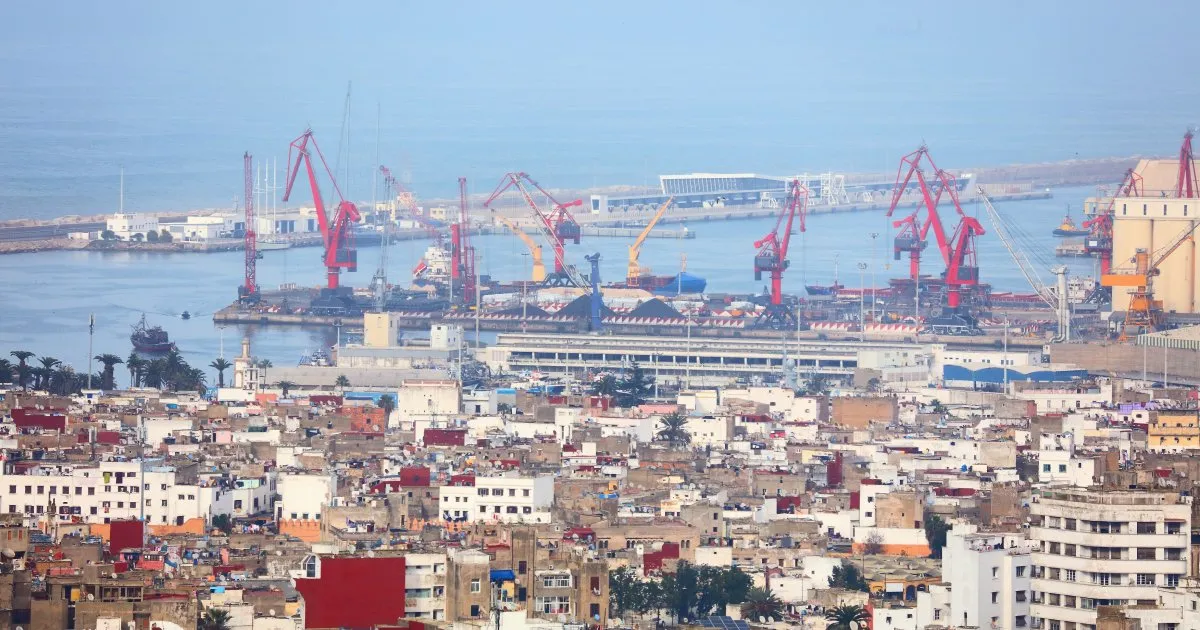
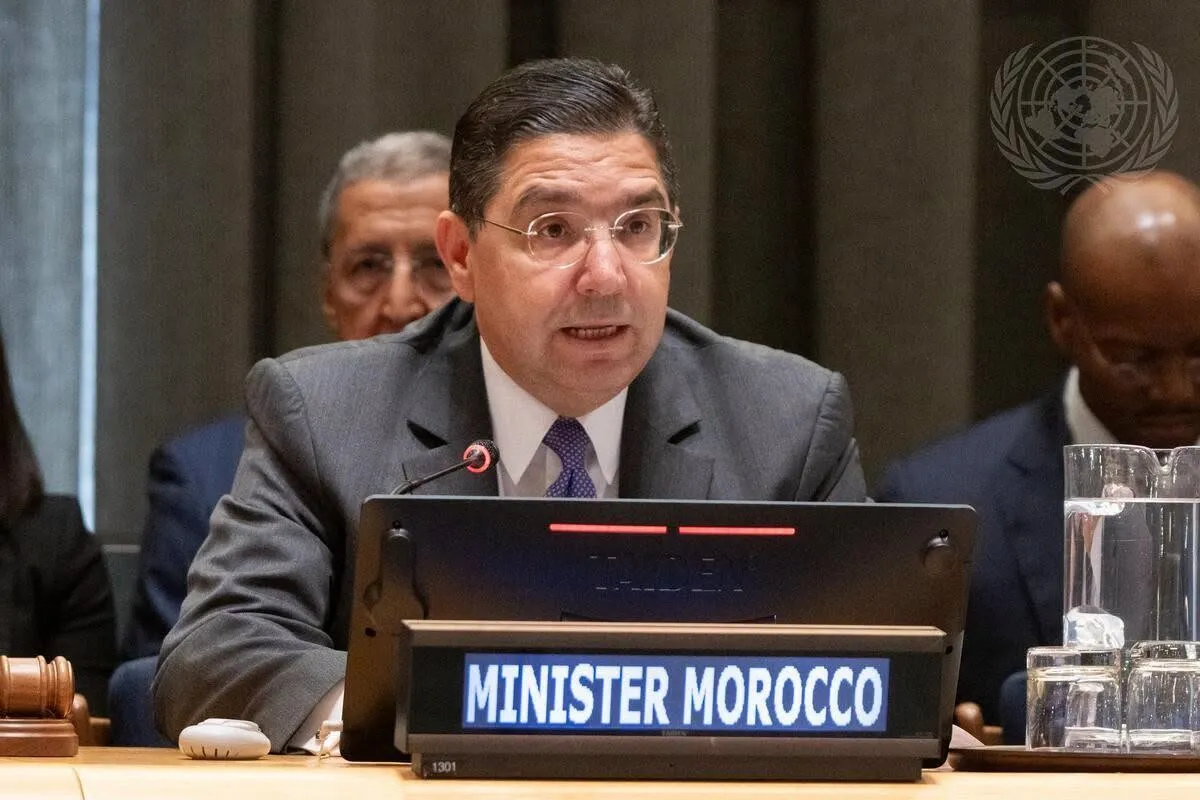
During a recent United Nations Security Council meeting in an 'Arria' format, Moroccan Minister of Foreign Affairs, African Cooperation, and Moroccans Abroad, Nasser Bourita, emphasized that Morocco views the management of maritime straits as a responsibility rather than a privilege. He proposed the initiation of a code of conduct for countries bordering these vital maritime passages to enhance cooperation and safety. Bourita articulated Morocco's unique position not merely as a coastal nation but as one that holds a direct responsibility for the management and security of the Strait of Gibraltar, which is recognized as one of the world’s most significant maritime corridors.
Highlighting the strait's immense traffic, Bourita noted that approximately 100,000 ships transit through the Strait of Gibraltar each year, averaging around 300 vessels daily, which translates to a ship passing through every five minutes. He further elaborated that maritime traffic in the Strait significantly surpasses that of the Suez Canal by five times and is eleven times greater than that of the Panama Canal, not to mention it approaches three times the density of navigation found in the Strait of Hormuz.
Advocating for International Collaboration and Security
The Minister reiterated that Morocco does not perceive its geographic location as a means of leverage or coercion but rather as an international responsibility that serves as a catalyst for fostering international cooperation, stability, and development. In light of this perspective, Bourita urged participants at the meeting to consider the formulation of an international code of conduct aimed at ensuring freedom of navigation, underlining the necessity for international maritime corridors to remain open, safe, and stable.
To facilitate this initiative, Bourita proposed that Morocco host an international forum in collaboration with the Kingdom of Bahrain. The goal of this forum would be to strengthen adherence to international law, share best practices, and mitigate polarization between those who claim ownership of these strategic passages and those who utilize them for exploitative purposes. The Minister also reflected on the critical infrastructure role that seas and oceans play globally, noting their vulnerability despite their significance, rendering them targets for greed and malicious schemes.
As reported by assahifa.com.