
Morocco Seeks US Support for Cyber Defense Initiatives
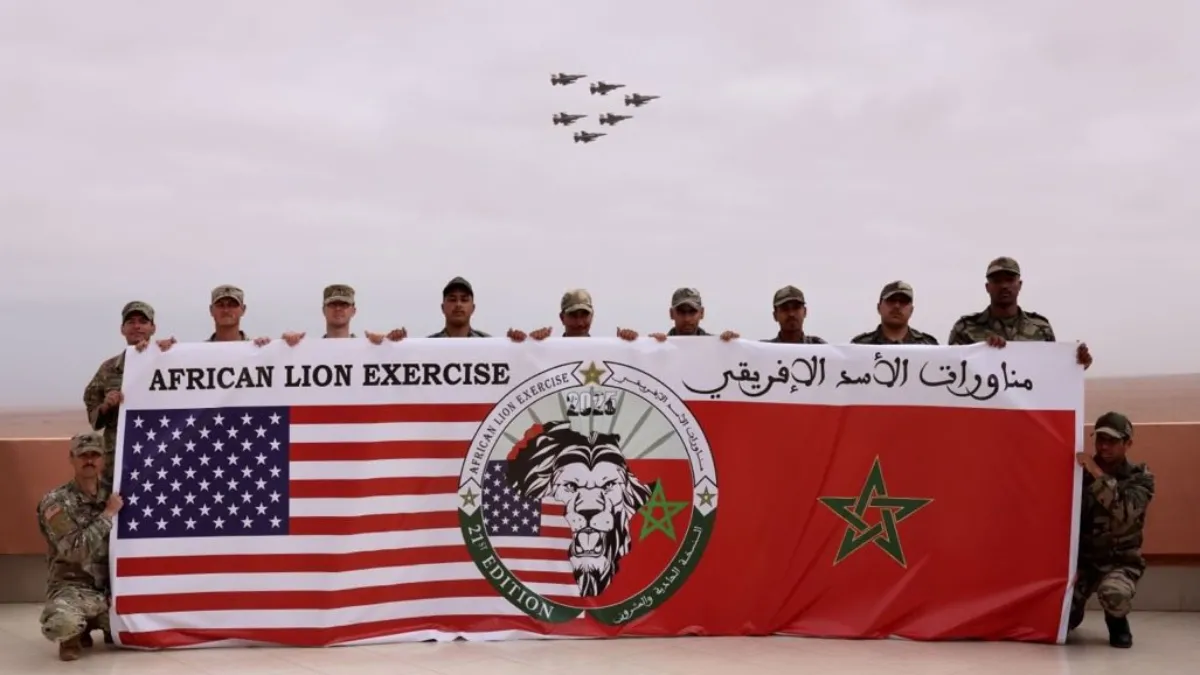
In a strategic move to bolster its military cyber capabilities, Morocco has reached out to the United States for assistance in testing newly formed military cyber defense teams. This collaboration comes as both nations explore the possibility of integrating simulated cyberattack scenarios into upcoming editions of the African Lion exercise, which is recognized as the largest annual military drill conducted in Africa by the US military.
During discussions with specialists from the Utah National Guard and other US military entities, Moroccan representatives highlighted their interest in utilizing American exercises to evaluate the effectiveness of their nascent cyber protection teams. These discussions revolved around enhancing the cyber training component of the African Lion exercise, transitioning from theoretical classroom training to practical, real-world applications that include cyber activities.
According to US military officials, the planners aim to introduce a simulated cyberattack as a scenario in future exercises, reflecting a significant shift in the training approach. Although the discussions have generated interest, it is important to note that no formal confirmation has been made regarding the implementation of a cyberattack scenario in the next iteration of African Lion. The conversations took place during a working group held in Bedford, Massachusetts, from July 27 to 31, and signify a continuation of previous engagements where Moroccan personnel observed US cyber teams during a Utah exercise in April.
Moroccan officials have expressed interest in exercises such as Cyber Shield and Wolverine, which could potentially validate the capabilities of the cyber protection teams being established in Morocco. The US Army acknowledged these requests and voiced support for incorporating cyber activities into the exercise components of African Lion.
The Significance of African Lion Exercises
The African Lion exercise plays a crucial role in fostering military collaboration among the United States, African nations, and other partner countries, enhancing training across various military disciplines. The 2026 edition of this exercise, which took place in Morocco, Ghana, Senegal, and Tunisia, involved over 5,600 personnel from more than 40 nations, marking it as the largest joint military exercise conducted by US Africa Command. This expansive military collaboration emphasizes the importance of cyber training, which has far-reaching implications beyond Morocco's borders. A simulated cyberattack during a multinational exercise could significantly assess how participating forces identify threats, communicate effectively, and maintain operational functionality while addressing such challenges.
US Air Force Captain Robert Matheny, who oversees the Utah Guard's state partnership program, elaborated on Morocco's proactive approach, noting that their representatives were keen on finding practical methods to assess their teams. The Utah National Guard's efforts are anticipated to include expert exchanges focused on cyber capabilities in the next phase of African Lion exercises, furthering the groundwork for robust military cooperation between the two nations.
As reported by africa.businessinsider.com.